
In This Article
Walk into any Canadian pet store and the bird aisle looks like a candy shop. There are rainbow-coloured pellets, seed mixes with dried fruit confetti, and tubs with a cheerful cockatiel on the label. Here’s the catch. That smiling bird on the front doesn’t tell you much about what’s inside. If you’re hunting for the best cockatiel food, you’re really choosing between two philosophies: a formulated, pellet-based diet or a seed-led diet that tastes great and quietly short-changes your bird.
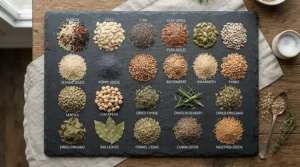
Veterinary sources are blunt about it. VCA Canada’s cockatiel feeding guide notes that cockatiels are vulnerable to vitamin A deficiency and low dietary calcium. It also says pellets should ideally make up roughly 75%-80% of the daily diet, with fruits, vegetables and greens filling no more than 20%-25%.
This guide ranks seven real products across budget, mid-range and premium tiers. It covers cockatiel pellet brands, gives an honest cockatiel seed mix review, and explains fatty seed overfeeding in plain language. It also covers cockatiel diet for crest health, molting support and even cockatiel whistling. Everything below is analysis built on real specs and aggregated owner feedback. I haven’t tested these foods on a flock, and I won’t pretend otherwise. 🐦
Quick Comparison: Best Cockatiel Food at a Glance
Here’s the snapshot before we get into the detail. Prices are Canadian-dollar ranges at the time of research and shift often, so check current pricing on Amazon.ca.
| Product | Format | Price Range (CAD) | Best For |
|---|---|---|---|
| Harrison’s High Potency Fine | Certified organic pellets | C$25-C$45 (small bags) | Harrison’s High Potency Fine: seed-to-pellet conversions and molting birds |
| Lafeber Premium Daily Pellets (Cockatiel) | Molasses-flavoured pellets | C$20-C$40 | Lafeber Premium Daily Pellets: picky “seed junkies” |
| Hari Tropican Lifetime Granules | Small granules/pellets | C$20-C$40 | Tropican: Canadian shoppers wanting a local brand |
| ZuPreem Natural | Dye-free pellets | C$20-C$40 | ZuPreem Natural: everyday maintenance on a budget |
| Roudybush Daily Maintenance | Plain crumbles/pellets | C$20-C$40 | Roudybush: simple, no-frills nutrition |
| Kaytee Exact Rainbow Cockatiel | Extruded pellets | C$15-C$30 | Kaytee Exact Rainbow: first-time pellet converters |
| Brown’s Encore Premium Cockatiel | Seed-led mix | C$15-C$30 | Brown’s Encore: supplementing a pellet base |
Looking at the table, the premium-priced Harrison’s earns its spot as the conversion and recovery option, while ZuPreem Natural and Roudybush are the sensible daily drivers. Kaytee Exact Rainbow and Brown’s Encore are the most budget-friendly, but they come with trade-offs. The colour additives in the first and the seed-heavy format of the second matter for long-term health.
💬 Just one click — help others make better buying decisions too!😊
What Is the Best Cockatiel Food?
The best cockatiel food is a nutritionally complete, small-format pellet that forms the foundation of the diet, supported by fresh vegetables, greens and limited seed. It must be sized for a small beak, free of unnecessary dyes, and something your individual bird will reliably eat. Seed mixes alone fall short because cockatiels pick out their favourites and skip the rest.
That last sentence is the whole story. VCA’s guidance points out that a cockatiel often selectively eats only one or two of its favourite seeds. A mix that looks balanced in the tub becomes a one-note diet in the dish. Formulated pellets fix this by blending everything into each piece.
Two practical rules follow:
- The best pellet is the one your bird actually eats. A premium organic bag that ends up in the bin helps nobody.
- Pellets work best when they’re the foundation, not a replacement for fresh foods.
Think of pellets as the wholemeal bread and fresh vegetables as the toppings. The bread carries the nutrition, and the toppings keep it interesting.
Top 7 Best Cockatiel Food Picks: Expert Analysis
The seven products below cover pellets, one extruded option and one seed-led mix. Each entry translates specs into everyday meaning and flags the real weaknesses.
1. Harrison’s High Potency Fine — organic pellets built for conversions
The standout feature is the certified organic, whole-grain recipe. The ingredient panel reads like a pantry shelf: ground millet, sunflower, barley, corn, soy, peanuts, lentils, peas, chia and spirulina, with added vitamins A, D3 and E. Because everything is ground and reformed, your cockatiel can’t pluck out the sunflower and leave the rest.
The “Fine” size is the one the manufacturer lists for cockatiels and similarly sized birds. The maker positions the High Potency formula for conversions, molting, and under- or overweight birds, so one bag covers several life situations. Based on the spec comparison, this is the formula to reach for if your bird is coming off an all-seed diet.
Owner feedback is mixed in an instructive way. Reviewers praise the ingredient quality and say some birds take to it quickly. Others report a picky cockatiel wasting most of the pellets. One reviewer noted their vet suggested a blend of 25% High Potency and 75% Adult Lifetime once the bird reached a normal weight.
A retailer note suggests using an opened bag within about 12 weeks. A cockatiel eats very little per day, so buy smaller bags.
Pros:
- ✅ Certified organic, non-GMO whole-grain ingredient list
- ✅ Fine size suits small beaks
- ✅ Works for conversion, molting and weight management
Cons:
- ❌ Highest cost per kilogram on this list
- ❌ Some picky birds reject it outright
Price: roughly C$25-C$45 for smaller bags, with larger sizes costing more. It’s premium value if your bird accepts it, and an expensive lesson if not.

2. Lafeber Premium Daily Pellets (Cockatiel) — molasses flavour wins over picky eaters
The hook is palatability. The manufacturer describes a blend of ground non-GMO corn and soybean meal flavoured with molasses. The goal is to improve acceptance when a stubborn “seed junkie” is being converted. It’s also marketed as free of artificial colours and dyes, with balanced omega-3 and omega-6 fatty acids.
On paper, that sweetness is the clever trick. Birds select food visually and by taste, so a pellet with a sweet edge gets sampled more readily. The trade-off is that corn and soy sit higher in the recipe than in organic grain-forward formulas.
Reviewers on the maker’s site describe long-lived cockatiels thriving on the pellets plus Avi-Cakes and fresh produce. One buyer said their bird finally ate them straight after months of rejecting another brand. One reviewer also relayed that their avian vet places this food in a “second tier” of bird foods. That’s a single opinion, but it’s a fair reminder that this is a solid daily pellet, not a medical-grade diet.
Availability matters for Canadians. The manufacturer’s page warns of shipping holds to Canada for direct orders. That makes a verified Amazon.ca listing the safer route.
Pros:
- ✅ Molasses flavour helps with picky converters
- ✅ Free of artificial colours and dyes
- ✅ Pairs well with Avi-Cakes for variety
Cons:
- ❌ Corn and soy-forward recipe
- ❌ Direct cross-border orders can be held up
Price: around C$20-C$40. It offers good value as a bridge food if your bird has rejected other pellets.
3. Hari Tropican Lifetime Granules — the Canadian-made familiar
The standout is brand familiarity in Canadian homes. Canadian owners in cockatiel forums frequently mention Tropican alongside Zupreem, and several describe both as great pellets. Granule size is the detail that makes or breaks this one. A forum member advised making sure the pieces are small, noting that the cockatiel-sized options come in tiny granules.
In practice, size matters more than most buyers expect. One reviewer tried larger pellets first and found the bird bit them, dropped them and wasted them. Switching to the small size solved it. That’s a useful lesson for any of the cockatiel pellet brands: check the size on the bag, not the picture of the bird.
Review sentiment is genuinely split. Some owners call it a staple, while another buyer complained about a sweet, candy-like smell and a bird that wouldn’t touch it. A critic on one forum also said Tropican “is not the best” compared with premium organics. Take that as a reminder that it’s a mainstream, accessible food rather than a boutique one.
If your bird takes it readily and you value easy local availability, it’s a reasonable base.
Pros:
- ✅ Widely stocked in Canadian stores and online
- ✅ Small granule option suits cockatiel beaks
- ✅ Frequently recommended by Canadian owners
Cons:
- ❌ Mixed reviews on aroma and acceptance
- ❌ Some owners rank it below premium organics
Price: around C$20-C$40. It’s decent value, especially if you can pick it up locally without shipping.
4. ZuPreem Natural — dependable dye-free everyday pellets
The key feature is the “Natural” line’s plain colouring. Many cockatiel pellet brands lean on bright dyes to look appealing to humans, while ZuPreem Natural skips that. Check the size on the bag, since ZuPreem sells different pellet sizes and you want the one matched to a small parrot.
A Canadian forum member said they use both Zupreem and Tropimix with good results. On the other side, one reviewer who switched a bird to Harrison’s removed ZuPreem from the routine at that point. That tells us this is a perfectly workable maintenance pellet, but not a magic one.
My analytical take: ZuPreem Natural suits owners who want a recognizable, mid-priced food and plan to supply plenty of fresh vegetables alongside it. It’s less ideal if you’re managing a bird with a feather problem and need a recovery formula.
Pros:
- ✅ Dye-free formulation in the Natural line
- ✅ Easy to find in Canada
- ✅ Good everyday price point
Cons:
- ❌ Pellet size varies by version, so check the bag
- ❌ Not positioned as a recovery or conversion diet
Price: around C$20-C$40. It’s solid mid-range value for stable, healthy birds.
5. Roudybush Daily Maintenance — plain, no-frills nutrition
The standout is simplicity. Roudybush is one of the long-running names that Canadian owners list when asked about good pellets, alongside Harrison’s, Tropican and ZuPreem. The format is typically a plain crumble or small pellet with no rainbow gimmicks, so the appeal is nutrition first, looks second.
Honestly, I couldn’t verify a large pool of current Amazon.ca reviews for the specific cockatiel-appropriate size, so check recent buyer comments before purchasing. What forum members do say is that quality varies among the leading brands, but that the final judge is the bird itself.
Who is it for? Owners who prefer a quiet, predictable staple and aren’t trying to coax a stubborn eater with flavour. If your bird is fussy, a sweeter option like Lafeber may convert better, and then Roudybush can become the long-term maintenance food.
Pros:
- ✅ Long-established brand among avian owners
- ✅ Plain formulation with no flashy colours
- ✅ Good for steady maintenance feeding
Cons:
- ❌ Less exciting to picky birds
- ❌ Fewer recent Canadian reviews to lean on
Price: around C$20-C$40. It’s honest, quiet value.
6. Kaytee Exact Rainbow Cockatiel — extruded pellets for first-time converters
The hook is the extruded form. One review roundup notes that extrusion helps digestibility and discourages selective feeding, and that the formula includes added probiotics. That fits what we know about cockatiels. They’re pickers by nature, so a uniform piece is a smart design.
The caveat is the rainbow colouring. If you prefer dye-free food, read the label before buying, because the bright pieces suggest added colour. Another buyer reported their cockatiel ignored a rainbow pellet that smelled like bubble gum, a reminder that sweet-scented, colourful foods don’t win every bird.
It’s widely available, which makes it the easiest budget on-ramp. Many owners start here, then graduate to something like ZuPreem Natural or Harrison’s once the bird accepts pellets as food.
Pros:
- ✅ Extruded pieces limit selective eating
- ✅ Budget-friendly and easy to find
- ✅ Added probiotics reported by review sources
Cons:
- ❌ Colourful pieces mean added colour, so check the label
- ❌ Not every bird accepts the scent
Price: around C$15-C$30. It’s strong entry-level value, but think of it as a stepping stone.
7. Brown’s Encore Premium Cockatiel — the seed-led mix, with caveats
The standout is mixed texture and variety. It appears in a major retailer’s best-cockatiel-food list, and a seed-led blend is the format most owners already know. It’s the honest answer to the question many people actually have: “Is any seed mix okay?”
This is where our cockatiel seed mix review gets nuanced. Seed-forward foods are tasty, but veterinary sources describe typical seed mixes as high in fat and deficient in key vitamins, minerals and amino acids. So I’d treat Brown’s Encore as a smaller side component, not the whole menu. Check the label to see how much of the mix is pelleted versus loose seed.
Where it earns its place is as a limited foraging treat. Scatter a small portion into a foraging toy and it works as enrichment rather than the main course.
Pros:
- ✅ Appealing variety that birds readily eat
- ✅ Useful as occasional foraging enrichment
- ✅ Budget-friendly and easy to source
Cons:
- ❌ Seed-led format invites picky eating
- ❌ Not suited as a sole diet
Price: around C$15-C$30. It’s good value as a supplement and poor value as a complete diet.
Cockatiel Pellet Brands Head-to-Head
Now let’s line the leading cockatiel pellet brands up on practical traits. Review sentiment below is a qualitative summary of what owners report, not a star rating.
| Product | Standout Trait | Owner Sentiment | Watch Out For | Best For |
|---|---|---|---|---|
| Harrison’s High Potency Fine | Organic, whole-grain | Praised, but picky birds may refuse | Cost | Conversions and molting |
| Lafeber Premium Daily Pellets | Molasses flavour | Accepted by many converters | Corn/soy base | Stubborn seed eaters |
| Hari Tropican Lifetime Granules | Canadian availability | Mixed | Aroma, size choice | Easy local buying |
| ZuPreem Natural | Dye-free | Solid, steady | Size varies | Everyday feeding |
| Roudybush Daily Maintenance | Simplicity | Respected | Fewer recent reviews | Maintenance |
| Kaytee Exact Rainbow | Extruded | Variable | Added colour | First pellet |
The analysis is straightforward. If cost is no object and your cockatiel will eat it, Harrison’s leads on ingredient quality. If your bird refuses everything, Lafeber is the most promising converter. For a quiet, long-term daily food, ZuPreem Natural and Roudybush are the calm choices. Kaytee Exact Rainbow is the cheapest way to find out whether your bird will touch pellets at all.
How to Choose the Best Cockatiel Food
Choosing the best cockatiel food comes down to seven checks. Work through them in order.
- Confirm the size. Choose “fine”, “small” or cockatiel-specific sizes. Oversized pellets get bitten and dropped, which wastes money.
- Read the first five ingredients. Whole grains, legumes and seeds should lead. Sugar or colourings shouldn’t.
- Decide on colour tolerance. Dye-free lines like ZuPreem Natural avoid unnecessary additives.
- Match the formula to the situation. Conversion, molting and weight issues point toward Harrison’s High Potency Fine, while stable adults suit maintenance formulas.
- Plan for acceptance, not perfection. A flavoured option such as Lafeber can bridge a stubborn bird to a better long-term pellet.
- Buy small and fresh. Smaller bags stay fresher, and a retailer note on Harrison’s suggests using an opened bag within about 12 weeks.
- Talk to an avian vet. Diet changes are safest with a vet health check first.
Notice what isn’t on this list: marketing claims about “premium” or “gourmet.” Those words are free to print and expensive to believe.
Pellets vs Seed Mix: A Cockatiel Seed Mix Review
Let’s give seed its fair hearing. Seeds taste good, they’re natural, and cockatiels clearly love them. The problem isn’t that seeds are poisonous. It’s that a seed-based diet is incomplete. A veterinary school update describes typical seed mixes as high in fat and deficient in essential vitamins, minerals and amino acids, and says formulated pellets are recommended as the dietary foundation.
| Factor | Pellet Foundation | Seed Mix Only | Hybrid (Pellets + Limited Seed) |
|---|---|---|---|
| Nutritional balance | Strong | Weak | Good |
| Selective eating | Low | High | Moderate |
| Mess in the cage | Lower | Higher | Moderate |
| Acceptance | Needs patience | Instant | Easy |
| Best For | Long-term health | Short-term transition only | Picky birds and foraging |
The analysis is simple. Pellets win on balance and cleanliness. Seed wins on instant acceptance. The hybrid approach, pellets in one dish and a small measured seed portion in a foraging toy, gives you most of the benefits of both. If you’re doing a cockatiel seed mix review of your own pantry, count how much of the dish your bird actually empties. The leftovers tell you which seeds it’s skipping.
Fatty Seed Overfeeding: How It Happens and How to Fix It
Fatty seed overfeeding is sneaky because the bird looks happy. Wild birds burn plenty of calories flying and foraging, so high-fat seeds make sense for them. A pet cockatiel in a cage doesn’t need that energy load. A columnist veterinarian puts it plainly: pet birds fed only seeds suffer from obesity as well as nutrient deficiencies, especially vitamin A and protein.
A university veterinary overview goes further. It links obesity and hepatic lipidosis (fatty liver) to high-fat seed diets and limited exercise. It also names vitamin A deficiency as one of the most frequently diagnosed nutritional disorders in seed-fed pet birds. For that overview, see the University of Illinois Veterinary Medicine update on avian nutrition.
Here’s how to spot and reduce fatty seed overfeeding:
- Watch the shape. A bird that feels soft or heavy at the keel (breastbone) may be carrying extra weight.
- Weigh weekly. A kitchen gram scale and a perch works. Ask your vet for your individual bird’s healthy range.
- Measure seed. Offer a small, set portion rather than a full dish.
- Add exercise. Foraging toys and climbing space burn calories.
- Use pellets as the base. Switch gradually using the plan later in this guide.
Which seeds are the culprits? Sunflower and similar oily seeds are the usual suspects, so limit them to a rare treat. Millet sprays are fine as a rare training reward, not an all-day snack.
Cockatiel Diet for Crest Health
That jaunty crest is a mood ring and a health report in one. A cockatiel raises and lowers it with the help of its contour feathers, which control feather movement. When nutrition slips, feathers can look ragged, splayed or dull.
A cockatiel diet for crest health starts with protein and vitamin A, because feathers are built from keratin (a protein), and keratin needs amino acids from food. One Lafeber veterinary Q&A described a young cockatiel on a mostly seed diet whose new feathers came in splayed like ferns. The response linked it to poor feather structure from a seed-heavy diet and recommended pellets, leafy greens, orange vegetables and small amounts of cooked egg. The advice also said repeated abnormalities warrant a vet visit.
A simple crest-friendly routine:
- Base: a quality pellet like Harrison’s High Potency Fine or ZuPreem Natural.
- Orange vegetables: carrot or sweet potato for vitamin A support.
- Dark leafy greens: kale or similar, offered daily.
- Occasional protein: a small portion of cooked egg.
If your cockatiel’s crest feathers look persistently abnormal, don’t just change the food. Psittacine beak and feather disease can show up as abnormal feather regrowth, so a vet check matters.
How to Switch Your Cockatiel to Pellets: A 30-Day Practical Guide
This is where our transformation content lives. Treat the 30 days below as a guide, not a rule. A bird’s weight and droppings set the pace.
Days 1-7: Introduce. Offer pellets in a separate dish placed high in the cage and keep the usual seed dish low. One owner found their bird ate seed first thing in the morning and pellets the rest of the day when the dishes were separate. Birds choose food visually, so sprinkle a few pellets on top of the seed and let curiosity do the work.
Days 8-14: Shift the ratio. Gradually reduce seed and increase pellets. Veterinary guidance notes that if a bird is slow to take to pellets, a small amount of seed or fruits and vegetables can be offered later in the day.
Days 15-21: Add produce. Offer chopped greens and orange vegetables next to the pellets.
Days 22-30: Consolidate. Aim for pellets as the clear majority of intake, matching the 75%-80% target from veterinary sources.
Common first-month mistakes:
- Removing all seed overnight. A bird that refuses everything can lose weight quickly.
- Skipping the scale. Weigh your bird daily during the change.
- Choosing oversized pellets.
- Giving up after three days.
Stop and call your vet if your bird stops eating, loses weight, or passes unusual droppings.
Real-World Scenarios: Matching the Best Cockatiel Food to Your Situation
These are illustrative profiles, not case histories.
Scenario 1: The first-time owner in a Toronto condo. Imagine a six-month-old cockatiel eating mostly seed, with a budget around C$40 a month for food. The practical play is Kaytee Exact Rainbow or Lafeber to learn whether the bird accepts pellets, then a step up to ZuPreem Natural once it does.
Scenario 2: The rescued adult in Calgary. The bird is overweight and has dull feathers after years on a sunflower-heavy mix. Here a conversion-grade formula such as Harrison’s High Potency Fine makes sense, paired with the vet-guided weight plan and the fatty seed overfeeding steps above.
Scenario 3: The student in Halifax on a tight budget. Buying a small bag of ZuPreem Natural, with carrots and kale from the grocery store as toppings, gets most of the nutritional benefit at a modest monthly cost. A tiny amount of Brown’s Encore in a foraging toy supplies fun without becoming the main meal.
If your situation sits between these, use the decision rule: if your bird is stubborn, choose flavour first, and if your bird is unwell or underweight, ask your vet before choosing.
✨ Don’t Miss These Exclusive Deals!
🔍 Ready to upgrade your cockatiel’s bowl? Click any highlighted product name above to check current pricing and availability on Amazon.ca. A small, steady switch to a better pellet can help your feathered friend look and feel their best!
Molting Support: Feeding Your Cockatiel Through the Feather Storm
Molting is how cockatiels replace worn feathers, and it demands a lot of the body. During a molt, protein, calcium and iron needs rise. Every new feather begins as a blood feather, and the small ones, called pin feathers, look like sharp little pins, most noticeable on the head and neck. Pin and blood feathers can be uncomfortable, so a molting bird may be grumpier and want less handling.
Good molting support is nutritional first. For an overview of feather types and molting, see the Cockatiel Cottage guide to feathers, molting and preening.
Practical molting support steps:
- Use a higher-nutrition base. The maker positions Harrison’s High Potency Fine for molting birds, which is why it earns a spot in many molt plans.
- Add calcium-rich greens. The cottage guide lists kale, parsley, cilantro, beet greens, turnip greens and broccoli leaves.
- Offer protein extras. Scrambled egg, cooked chicken or lean meats show up in cockatiel care guides, and a small portion of cooked egg is a common choice.
- Never pull pin feathers. Let your bird rub and preen them open. Soft rope perches can help.
- Offer baths or misting. Many owners find it soothes the itch.
How do you tell a normal molt from a problem? A cockatiel that never molts heavily at least once a year, or whose feathers come in abnormally or not at all, deserves a vet visit.
Cockatiel Whistling and Diet: What the Bowl Can and Can’t Change
Let’s talk about cockatiel whistling, because it’s the reason many people fall in love with the species. Wikipedia’s cockatiel entry describes them as vocal birds that can whistle tunes and mimic sounds, with males generally the more enthusiastic singers.
Can a food make your bird whistle more? Honestly, no, and any product promising that deserves a raised eyebrow. Whistling is driven by sex, age, personality, training and environment. What diet can do is support the conditions that make a bird feel well enough to perform.
Here’s the connection the evidence supports. A bird that’s underfed in nutrients, carrying extra weight, or struggling through a protein-hungry molt may be quieter. One molting guide notes reduced vocalizing is common while pin feathers are sensitive. So the practical advice is to keep the diet solid, keep the molt comfortable, and let normal whistling come back on its own.
To encourage cockatiel whistling:
- Play short, repeated tunes at the same time each day.
- Reward attempts with attention or a tiny treat.
- Keep sessions brief and positive.
- Don’t expect much from a sick or molting bird.
Long-Term Cost and Maintenance of the Best Cockatiel Food
A bag of pellets looks expensive until you realise how little a cockatiel eats. A single small bag can last weeks, which is why cost-per-day matters more than cost-per-kilogram.
| Option | Typical Bag Range (CAD) | Daily Cost Feel | Waste Risk | Best For |
|---|---|---|---|---|
| Harrison’s High Potency Fine | C$25-C$45+ | Moderate | Higher if bird is picky | Recovery and conversions |
| ZuPreem Natural | C$20-C$40 | Low | Low | Everyday feeding |
| Kaytee Exact Rainbow | C$15-C$30 | Lowest | Moderate | Trial runs |
| Brown’s Encore | C$15-C$30 | Low | High (selective eating) | Foraging supplement |
The analysis: waste is the hidden cost. A cheap seed mix that your bird half-eats and a premium pellet it rejects both lose money, but in different ways. If your cockatiel accepts a mid-priced pellet like ZuPreem Natural, you’re likely paying the least per healthy day.
Maintenance matters too:
- Store food in a cool, dry, airtight container.
- Use opened bags within about 12 weeks, as one retailer advises for Harrison’s.
- Wash dishes daily and replace fresh foods before they spoil.
Safety, Storage and Canadian Considerations
Safety first. Pet birds should never be fed avocado or chocolate, according to a veterinary columnist. Alcohol, caffeine and heavily salted human snacks are also best avoided.
For Canadian shoppers, here’s what’s worth knowing:
- Cross-border shipping. The Lafeber site warns that some orders to Canada are held or lost at the border, so stick with Amazon.ca or Canadian retailers.
- Label reading. I couldn’t verify a cockatiel-specific food standard for Canada, so ingredient transparency and your avian vet’s advice carry extra weight.
- Vet check. One retailer recommends a veterinary health check prior to changing a bird’s diet, which is sensible advice.
- Supplements. Powdered vitamins can bridge an all-seed diet during a transition, but they’re generally unnecessary once the bird is on pellets.
FAQ
❓ Can a cockatiel live on pellets alone?
❓ How much food does a cockatiel eat per day?
❓ Is organic cockatiel food worth the extra cost?
❓ Where can I buy cockatiel food in Canada?
❓ How long does opened bird food stay fresh?
Conclusion
Here’s the short version. The best cockatiel food is a small-format, nutritionally complete pellet that your bird will really eat, supported by fresh vegetables and a limited seed portion. Harrison’s High Potency Fine leads for conversions, molting and recovery. Lafeber Premium Daily Pellets is the clever bridge for stubborn eaters. ZuPreem Natural, Roudybush Daily Maintenance and Hari Tropican Lifetime Granules are dependable daily options. Kaytee Exact Rainbow is the budget stepping stone, and Brown’s Encore works best as a foraging treat rather than a complete diet.
Remember the big ideas from this guide. Understand fatty seed overfeeding and keep the scale handy. Support the crest with protein, vitamin A and greens. Give your bird proper molting support, and let cockatiel whistling bloom naturally from a healthy, comfortable bird. Check current prices on Amazon.ca, pick your starting pellet, and begin that slow, patient 30-day switch.
✨ Ready to upgrade your cockatiel’s bowl?
Click any highlighted product above to check current pricing and availability, and give your little singer the diet they deserve! 🐦
Recommended for You
- Best Budgie Food: 7 Essential Picks For Canada (2026)
- Small Bird Pellets vs Seed Mix: 7 Best Picks For 2026 (Avoid Risks)
- Bulk Small Bird Food Value Pack: 7 Best Picks For 2026
Disclaimer: This article contains affiliate links. As an Amazon Associate, I earn from qualifying purchases. If you purchase products through these links, we may earn a small commission at no additional cost to you.
✨ Found this helpful? Share it with your friends! 💬🤗
