
In This Article
A breeding budgie hen weighs less than a stack of a dozen loonies. Yet she’s about to produce eggs whose shells draw heavily on calcium banked in her own bones. Most new breeders miss that part. The calcium doesn’t travel neatly from the food bowl to the shell. Much of it is stored in the bone first, then withdrawn on demand. That’s why the best small bird food for breeding hens has to start working weeks before the first egg appears.
A quick note on terms. In aviculture, a “hen” is simply the female bird. This guide covers female budgies, canaries and finches. If you keep backyard chickens, layer feed is a different conversation, and nothing here is formulated for them.
I shortlisted seven real products Canadian keepers can buy. For each one I read the published guaranteed analysis and the maker’s feeding directions, and I looked at what reviewers actually report. I then cross-checked the nutrition logic against avian-veterinary and breeder-organization sources. None of this is hands-on testing, and I’ll flag where review data is thin.
Below you’ll find a quick comparison table and a full breakdown of each pick. After that come deep dives on calcium, protein, egg-binding prevention and what to serve around the nest. All prices are approximate ranges in Canadian dollars, so check current prices on amazon.ca before you buy.
Quick Comparison: 7 Picks at a Glance
| Product | Role in the Plan | Min. Protein (Label) | Approx. Price Range | Best For |
|---|---|---|---|---|
| Harrison’s High Potency Fine | Organic pellet for conditioning through weaning | 18% | C$20-C$60 | Planned pairings and serious breeders |
| Roudybush Daily Maintenance Mini | Everyday pellet base | 11% | C$25-C$45 | Reliable year-round foundation |
| Kaytee Forti-Diet Pro Health Egg-Cite! Parakeet Food | Egg-enriched blend | 15% | C$20-C$30 | Budget-conscious hobbyists |
| Higgins Protein Egg Food | Protein topper | 14.5% | C$5-C$18 | Pre-breeding and chick-rearing boost |
| Lafeber Classic Parakeet Nutri-Berries | Balanced foraging food | 12.5% | C$15-C$20 | Seed-loyal hens needing a gentle switch |
| Nekton-E | Vitamin E course (supplement) | n/a (50,000 mg vitamin E/kg) | C$15-C$25 | Optional fertility prep on plain diets |
| Living World Cuttlebone with Holder | Free-choice calcium | n/a | Under C$10 | Every hen, year-round |
Prices are ballpark bands, not quotes. Read the table as a system rather than a leaderboard. Only Harrison’s High Potency Fine, Roudybush Daily Maintenance Mini, Kaytee Forti-Diet Pro Health Egg-Cite! Parakeet Food and Lafeber Classic Parakeet Nutri-Berries are meant to be the main diet. Higgins Protein Egg Food, Nekton-E and Living World Cuttlebone with Holder are add-ons that work on top of one of those bases. The protein column also shows how far apart the bases sit. Roudybush Daily Maintenance Mini is maintenance-level, while Harrison’s High Potency Fine is built to push condition.
💬 Just one click — help others make better buying decisions too!😊
What Is the Best Small Bird Food for Breeding Hens?
The best small bird food for breeding hens is a nutritionally complete base diet, usually a pellet or a pellet-rich blend. It’s paired with free-choice calcium such as cuttlebone and a measured protein boost like egg food during conditioning and chick-rearing. It should supply calcium and vitamin D3 for shells, plus adequate protein for egg formation.
Why calcium first? Female budgies lay down a layer of easily reabsorbed bone before laying begins, then pull from it as each egg forms. A veterinarian writing for the World Budgerigar Organization explains that hens with multiple clutches, or hens fed too little calcium, are at greatest risk of low blood calcium. When that happens, shells form poorly, and the oviduct muscles can’t contract hard enough to expel the egg. That’s the mechanism behind egg binding.
The takeaway is practical. You can’t fix a calcium problem on the day the egg is stuck. You have to build the reserve in the weeks before pairing.
Top 7 Best Small Bird Food for Breeding Hens: Expert Analysis
These seven span premium, mid-range and budget options. Every spec below comes from a published label or maker page. Review sentiment is aggregated from real listings, and where I couldn’t verify reviews, I say so.
1. Harrison’s High Potency Fine — organic conditioning for planned pairings
This is a certified-organic, hull-free nugget made from whole grains and legumes. The label guarantees at least 18% protein and 12% fat, with omega-6 at 3.7% and omega-3 at 0.5%. That fat level is a feature for a hen building condition. It’s a liability for a sedentary pet.
The maker’s schedule is unusually clear. Feed it one to two months before breeding and continue until the chicks are weaned, or for at least six months before moving to the Adult Lifetime formula. “Fine” suits budgie-to-cockatiel beaks, and a Super Fine size exists for tinier birds.
One catch matters for strategy. The maker advises against adding vitamin supplements. That conflicts with the Nekton-E approach, so pick one lane.
Reviewers on retail listings are mostly parrot keepers. They report fussy birds accepting the small nuggets, one owner blending it with another pellet, and one bird flicking food out of the dish. Breeder-specific feedback is thin.
Pros:
- ✅ Organic whole grains with no seed hulls
- ✅ High protein and fat suit conditioning
- ✅ Clear pre-breeding-to-weaning feeding schedule
Cons:
- ❌ Needs a slow, multi-week conversion from seed
- ❌ Rich fat level overshoots for non-breeding birds
Expect roughly C$20-C$60 depending on bag size. It’s premium, but sensible if you’re planning a serious pairing.
2. Roudybush Daily Maintenance Mini — the steady, no-drama base
This is a steam-pelleted, fully edible food with no added sugars or colours. The label guarantees at least 11% protein, about 6% fat and calcium around 0.4%. The mini pellet is sized for budgies, lovebirds and canaries.
Here’s the honest framing. The maker positions this as an everyday adult diet and for breeders that don’t feed their own chicks. At 11% protein, it isn’t a breeder formula. For chronic layers, the maker’s own guidance blends two-thirds Maintenance with one-third its High-Energy Breeder for extra calcium and vitamin D3. Check availability of that second product before you plan around it.
What the spec sheet won’t tell you is why this matters. A dependable base takes the guesswork out, and you add protein and calcium deliberately on top. One reviewer on a Canadian retailer’s page said the mini size worked where the crumble was too small for a bird that likes a crunch.
Pros:
- ✅ Consistent, simple, no-waste daily nutrition
- ✅ Includes added calcium and vitamin D3
- ✅ Mini size fits budgies and canaries
Cons:
- ❌ Protein sits below true breeder-level foods
- ❌ Some birds need coaxing to accept pellets
Expect roughly C$25-C$45 for a 1.25 kg (44 oz) bag. It’s good value as a foundation.
3. Kaytee Forti-Diet Pro Health Egg-Cite! Parakeet Food — whole egg built into the mix
The standout is dried whole egg inside the blend, which the maker pitches for breeding and moulting. The label guarantees at least 15% protein and 5.5% fat, with a maximum of 9% fibre. It also lists 0.4% omega-3 and added probiotics.
On paper, that 15% is a meaningful jump over a maintenance pellet. This is also a seed-style blend, so a picky hen can still sort the bowl and eat her favourites. I’d treat it as a stepping stone for seed-loyal keepers rather than a final destination. The analysis I found doesn’t list calcium, so pair it with cuttlebone.
I couldn’t verify independent reviews for this exact product, so treat the claims as the maker’s rather than the crowd’s.
Pros:
- ✅ Whole egg protein baked into the blend
- ✅ Probiotics included for gut support
- ✅ Gentle step up from plain seed
Cons:
- ❌ Calcium isn’t listed in the analysis
- ❌ Blend format allows selective picking
Expect roughly C$20-C$30 for a 2.3 kg (5 lb) bag. It’s the best entry-level value of the bunch.
4. Higgins Protein Egg Food — the protein topper
This is made from baked whole egg, whole-grain crumbs and honey. The label guarantees at least 14.5% protein and 6% fat, plus methionine at 0.5% and lysine at 0.9%. It also lists vitamin D at 750 IU/kg, DHA and live cultures. The amino acid detail matters because plant-heavy diets can run short of them.
It can be fed dry or moistened to a crumbly texture, and uneaten portions should be removed daily. Based on the label, it works as a topper, not a base. One breeder-organization article warns that breeding birds don’t need unlimited protein, so measure it.
I couldn’t verify real reviews for this product. Treat the benefits as the maker’s claims.
Pros:
- ✅ Targeted methionine and lysine for egg-laying demands
- ✅ Works dry or moist
- ✅ Includes live cultures and DHA
Cons:
- ❌ Moist portions spoil quickly if left out
- ❌ Easy to overfeed as a favourite treat
Expect roughly C$5-C$18 depending on pack size. It’s cheap insurance for conditioning.
5. Lafeber Classic Parakeet Nutri-Berries — a gentle upgrade for seed addicts
These are seeds and grains bound into berry shapes, with 10% pellets mixed in. The label guarantees at least 12.5% protein and 6% fat, with balanced omega-3 and omega-6. The maker cites a University of California, Davis study. It found Nutri-Berries nutritionally equivalent to pellets, with birds spending about twice as long on feeding-related activity.
The foraging time is a genuine bonus for a caged hen. Familiar seed texture also makes this an easier first step than a hard switch to pellets.
Reviewers on the maker’s own site include long-time budgie keepers and owners whose seed-fed birds converted within a few weeks. That’s a self-selected audience, so weigh it accordingly.
Pros:
- ✅ Familiar texture eases the switch from seed
- ✅ Extra foraging time and enrichment
- ✅ Balanced omega fatty acids
Cons:
- ❌ Protein sits below dedicated breeder foods
- ❌ Priciest per gram among the base diets
Expect roughly C$15-C$20 for a 284 g (10 oz) bag. It’s good value if it gets a stubborn hen off seed.
6. Nekton-E — a vitamin E course before pairing
This isn’t a food, and it’s worth saying so plainly. It’s a vitamin E supplement at 50,000 mg per kg as alpha-tocopheryl acetate. The maker positions it for fertility, embryo survival and hatchling viability.
The directions call for a course that starts at least three weeks before breeding and stops once the first egg is laid and the hen is sitting. It’s dissolved in water or mixed into soft food.
My read is that it’s optional insurance, mainly useful if your base diet is plain seed. Fertility claims here are the maker’s own. If you’re feeding Harrison’s High Potency Fine, that maker advises against stacking supplements. Also keep the over-supplementation warnings later in this guide in mind.
I couldn’t verify real customer reviews. Retailer claims about aviculturists using it regularly are marketing, not evidence.
Pros:
- ✅ Clear start and stop timing window
- ✅ Inexpensive per breeding course
- ✅ Dissolves into water or soft food
Cons:
- ❌ Fertility benefits rest on maker claims
- ❌ Risks doubling up with fortified diets
Expect roughly C$15-C$25. It’s reasonable value, but only for the right diet.
7. Living World Cuttlebone with Holder — free-choice calcium, no fuss
This is natural cuttlefish bone, a source of bioavailable calcium carbonate that a bird consumes at her own pace. It comes with a cage holder, and the rough surface also keeps beaks conditioned. Mount it so she can reach it easily.
One breeder-advice source suggests exposing the soft side. Check the label for the actual calcium guarantee.
It isn’t a cure-all. Avian-health writers note that cuttlebone alone can’t prevent every calcium disorder, and some birds simply ignore it. It supplies no vitamin D3, which the bird needs to use calcium properly.
I couldn’t verify reviews for this specific product. The category is so basic that the real question is whether your hen uses it.
Pros:
- ✅ Cheap, self-serve calcium source
- ✅ Holder included for easy mounting
- ✅ Doubles as beak conditioning
Cons:
- ❌ Some hens never touch it
- ❌ Supplies no vitamin D3 on its own
Expect under C$10. It’s the best-value item in this guide.
How to Choose the Best Small Bird Food for Breeding Hens
- Start with a complete base diet. Seed alone is not enough. Avian-health sources say a loose seed mix can’t cover a breeding hen’s needs.
- Check protein against the stage. Maintenance-level protein suits resting birds. Conditioning and chick-rearing justify higher-protein foods or toppers.
- Confirm there’s a calcium plan. If the label doesn’t show calcium, add cuttlebone and ask your vet about vitamin D3.
- Match pellet size to beak size. Mini or fine suits budgies and canaries. Tiny finches may need super fine.
- Watch the fat figure. A 12% fat food is useful for conditioning but easy to overdo outside breeding.
- Avoid stacking supplements. Some makers explicitly advise against it. Over-supplementing calcium, vitamin D3 and protein can cause harm.
If you only act on one step, make it the second-to-last. Picking a food and a supplement from competing philosophies is the most common mistake in breeding diets.
✨ Don’t Miss These Exclusive Deals!
🔍 Take your breeding setup to the next level with these carefully selected products. Click on any highlighted item to check current pricing and availability. These choices will help you build a calcium-first, protein-balanced plan for healthy hens and thriving chicks!
Calcium Diet Breeding Budgies: Building the Reserve
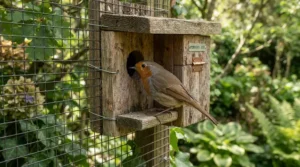
A good calcium diet for breeding budgies is built weeks ahead. This breeder-organization article explains that calcium isn’t simply shuttled from food to shell. Much of it goes from the diet into bone marrow storage, then to the egg. So the reserve needs topping up before pairing.
The same article calls calcium one of the most critical dietary needs in budgies. It reports that liquid calcium with vitamin D3 is the most available form, and suggests hens get it two or three days a week in the weeks beforehand.
My advice is to treat that as a conversation starter with your avian vet, not a recipe. The same community also warns that too much calcium and D3 can raise blood calcium dangerously and affect the kidneys.
For daily practice, here’s the layered approach:
- Base: a diet with calcium built in, like Roudybush Daily Maintenance Mini at about 0.4%.
- Free-choice: Living World Cuttlebone with Holder, always available.
- Optional: vet-guided liquid calcium and D3.
Never let the cuttlebone run out, and replace it if it looks old or grubby.
Protein-Rich Food for Laying Hens: How Much Is Enough
Protein-rich food for laying hens (of the budgie and finch variety) is where good intentions go wrong. Feathers, eggs and chicks are all protein, so more feels like safer. A breeder-organization article on water and nutrition in budgies warns otherwise. Wild budgies eat low-protein seed and conserve water with efficient kidneys. Adding egg mixes, soft foods and sprouts during breeding can overshoot what their bodies handle, especially with protein and calcium stacked together.
So here’s the middle path. Choose a base with moderate-to-high protein, like Kaytee Forti-Diet Pro Health Egg-Cite! Parakeet Food at 15%. Use Higgins Protein Egg Food as a measured topper rather than a free-for-all. The maker suggests small daily amounts, increasing during the breeding season.
Another egg-food maker suggests up to roughly a quarter of daily intake in breeding season. That’s a ceiling, not a target. Keep an eye on her body condition, and if droppings or behaviour change, ask your vet.
Egg-Binding Prevention Diet Birds: A Problem-and-Solution Guide
An egg-binding prevention diet for birds is really a set of habits. Egg binding happens when a hen can’t pass an egg. Calcium shortage is cited by veterinary sources as the most common cause, alongside obesity, lack of exercise, age, and too many clutches.
Problem 1: Soft or thin shells. Build calcium early with Living World Cuttlebone with Holder and a calcium-containing base like Roudybush Daily Maintenance Mini.
Problem 2: Weak muscle tone. Another breeder source suggests good fats and fitness help the hen avoid trouble. Choose a base with healthy fats, such as Harrison’s High Potency Fine, and give her room to fly.
Problem 3: Back-to-back clutches. Limit clutches per hen. If she lays without a mate, remove eggs after a few days rather than letting her lay on.
Problem 4: A hen who strains. This is an emergency. Keep her warm and quiet, and call an avian or exotic vet immediately. Don’t try to manipulate the egg yourself.
Prevention is cheap. The emergency is not.
Nesting Box Nutrition: What to Serve Around the Nest
Nesting box nutrition is the overlooked half of breeding diets. A hen on eggs isn’t browsing the cage like normal. She’s making short trips off the nest, so food has to be easy to find, fresh and close.
Place the cuttlebone and food dishes where she passes on those trips, but keep them clear of nest material. Perishable foods are the real hazard. The Higgins Protein Egg Food maker says to remove uneaten food daily. A budgie-food supplier advises preparing moist food fresh and not storing it overnight.
Practical rules:
- Offer small portions twice daily during breeding season.
- Refresh water at the same visits.
- Keep dry options like Roudybush Daily Maintenance Mini always available as the safety net.
- Stop Nekton-E once the first egg is laid and she is sitting, per the maker.
If a hen stops eating, that’s a veterinary signal, not a nutrition tweak.
A Week-by-Week Feeding Plan for Breeding Hens
Think of this as a timeline you can adapt with your vet.
- 8 to 6 weeks before pairing: Book a pre-breeding vet check. Make any diet conversion now, not mid-breeding. One maker suggests tapering over about four weeks.
- 6 to 4 weeks out: Start Harrison’s High Potency Fine if you’re using it. Install cuttlebone. Introduce small amounts of Higgins Protein Egg Food.
- 3 weeks out: Begin Nekton-E if your diet isn’t already vitamin-fortified.
- Laying: Stop Nekton-E at the first egg. Keep calcium free-choice.
- Incubation: Keep fresh food stations tidy and nearby. Limit clutch numbers.
- Chick-rearing: The Higgins Protein Egg Food maker suggests twice-daily feeding in breeding season.
- Recovery: Continue enhanced nutrition. Breeding drains calcium and fat reserves.
Real-World Scenarios: Three Keepers, Three Plans
If you’re a first-timer on a tight budget with a seed-fed hen, start with Kaytee Forti-Diet Pro Health Egg-Cite! Parakeet Food plus Living World Cuttlebone with Holder. Add small amounts of Higgins Protein Egg Food during conditioning. That’s an affordable setup that moves her off plain seed.
If you’re keeping canaries or finches and planning a pairing, Roudybush Daily Maintenance Mini is size-appropriate for canaries, and Higgins Protein Egg Food is listed by a Canadian retailer for finches and canaries. Add cuttlebone. Skip stacking supplements unless your vet advises it.
If your hen has a history of soft shells or binding, see an avian vet before any breeding plan. A calcium-containing base like Roudybush Daily Maintenance Mini plus Living World Cuttlebone with Holder is a sensible foundation. Ask about limiting clutches. The maker’s own advice for chronic layers is a Maintenance-and-Breeder blend, which is worth raising with your vet.
Pellets vs Seed vs Egg Food: Which Wins for Breeding Hens?
| Option | Strength | Weakness | Best For |
|---|---|---|---|
| Plain seed mix | Familiar, accepted | Nutritionally incomplete for breeding | Not recommended as a sole diet |
| Pellets such as Roudybush Daily Maintenance Mini | Consistent nutrition, calcium built in | Conversion takes patience | Reliable year-round base |
| Egg-enriched blend like Kaytee Forti-Diet Pro Health Egg-Cite! Parakeet Food | Easy step up from seed | Selective picking possible | Budget keepers |
| Topper like Higgins Protein Egg Food | Targeted protein boost | Perishable, easy to overfeed | Conditioning and rearing |
The table shows a hierarchy more than a contest. A complete base is non-negotiable, and a topper helps only after that foundation is set. Seed alone is the weakest option for breeding, since avian-health sources say loose seed can’t meet breeding hens’ needs.
Long-Term Cost and Value
| Product | Price Range | Value Verdict | Best For |
|---|---|---|---|
| Harrison’s High Potency Fine | C$20-C$60 | Premium, worthwhile for planned pairings | Serious breeders |
| Roudybush Daily Maintenance Mini | C$25-C$45 | Strong foundation value | Year-round feeding |
| Kaytee Forti-Diet Pro Health Egg-Cite! Parakeet Food | C$20-C$30 | Best entry-level value | Beginners |
| Higgins Protein Egg Food | C$5-C$18 | Cheap and targeted | Topping up |
| Lafeber Classic Parakeet Nutri-Berries | C$15-C$20 | Fair, if it converts a seed addict | Picky eaters |
| Nekton-E | C$15-C$25 | Optional | Plain-seed diets |
| Living World Cuttlebone with Holder | Under C$10 | Excellent | Every hen |
The cheapest items are often the highest-leverage. Cuttlebone costs almost nothing and covers the most important nutrient. The base diet matters more than any topper. An emergency avian vet visit typically costs many multiples of a season’s food, so prevention is where the money should go.
Safety, Regulations and Biosecurity in Canada
Two Canadian points matter. First, avian influenza affects pet birds as well as poultry, and it’s reportable in Canada. The Canadian Food Inspection Agency’s avian influenza hub carries current guidance for bird owners and a way to report a sick bird. Keep your birds away from wild birds, and call your vet or CFIA if you suspect illness.
Second, the CFIA’s feed guidance lists the livestock species whose feeds are regulated, poultry among them, and says feeds for other species are exempt. Based on that guidance, pet-bird foods aren’t registered the way chicken layer feed is. So read guaranteed analyses carefully, and don’t assume layer feed suits a budgie. Therapeutic calcium injections or similar treatments are veterinary drugs, a vet’s job.
Finally, pairing too young puts heavy strain on a hen, so don’t breed juveniles.
FAQ
❓ How long before pairing should I start conditioning a hen?
❓ Can I feed egg food all year round?
❓ Is cuttlebone enough to prevent egg binding?
❓ Should I switch from seed to pellets right before breeding?
❓ Is chicken layer feed safe for small-bird hens?
Conclusion
The best small bird food for breeding hens isn’t one product. It’s a short, deliberate plan. Start with a complete base like Roudybush Daily Maintenance Mini or, for serious conditioning, Harrison’s High Potency Fine. Add free-choice calcium with Living World Cuttlebone with Holder, and use Higgins Protein Egg Food sparingly to top up protein. If seed is all she’ll eat, Kaytee Forti-Diet Pro Health Egg-Cite! Parakeet Food or Lafeber Classic Parakeet Nutri-Berries can bridge the gap.
Keep Nekton-E as an optional extra, and never stack it on a diet whose maker says no supplements. Above all, plan early. Calcium reserves, clutch limits and a vet check cost far less than a midnight emergency.
✨ Ready to build your hen’s breeding plan?
🔍 Check current prices and availability on amazon.ca, and give your flock the head start she deserves! 🐦
Recommended for You
- Best Small Bird Food For Feather Health: 7 Smart Picks 2026
- Best Parrotlet Food: 7 Proven Picks For Canadians In 2026
- Best Lovebird Food: 7 Proven Picks For Canadian Birds In 2026
Disclaimer: This article contains affiliate links. As an Amazon Associate, I earn from qualifying purchases. If you purchase products through these links, we may earn a small commission at no additional cost to you.
✨ Found this helpful? Share it with your friends! 💬🤗
