
In This Article
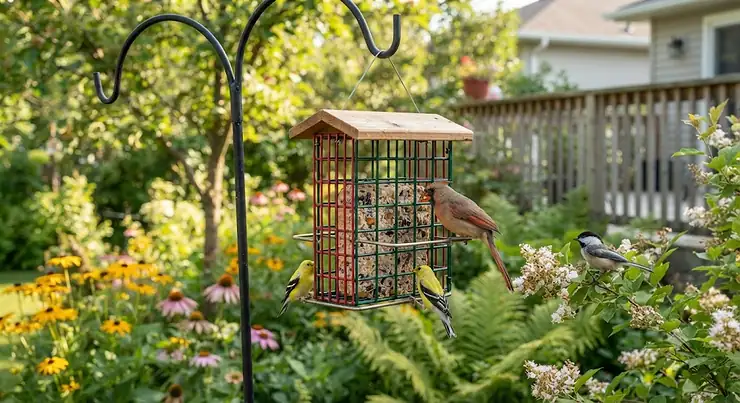
Somewhere around the third week of July, every Canadian backyard birder learns the same painful lesson: regular suet turns into a puddle. One hot afternoon and that block you hung with such optimism in June is now a greasy smear on the deck railing, and the chickadees are giving you a look that says “really?” That’s exactly why no melt suet for summer exists, and why it has quietly become one of the smartest swaps in backyard birding. Unlike traditional suet, which softens the moment the thermometer creeps past 27°C (80°F), no melt suet for summer is engineered — through a different rendering process and a doughier base — to hold its shape through humid, sun-baked afternoons from Halifax to Kelowna. In this guide, we’ve dug into seven real, currently available no-melt suet products, compared their specs honestly, and built out the practical know-how (feeder placement, maintenance, DIY backups) you actually need to feed birds responsibly all summer long. No fluff, no invented five-star reviews — just what the research and the aggregated buyer feedback actually show.
What Is No Melt Suet for Summer?
No melt suet for summer is a bird-feeding fat blend, usually beef-based, that’s rendered multiple times and mixed into a stiffer, dough-like texture (often with cornmeal or oat flour) so it resists melting at temperatures where standard suet turns to soup — generally holding its shape up to somewhere between 38°C and 54°C, depending on the formula. The tradeoff is a slightly lower overall fat percentage than winter suet, which is actually a feature, not a bug, in warm weather. According to the Canadian Wildlife Federation, commercially prepared suet in summer should be placed in the shade, cleaned frequently, and stored in the fridge overnight when possible — advice that pairs perfectly with a genuinely heat-stable product.
Quick Comparison Table
Before we get into the deep dive, here’s the shortcut version for anyone standing in the bird-food aisle right now, phone in hand, trying to decide.
| Product | Format | Standout Trait | Price Range (CAD) | Best For |
|---|---|---|---|---|
| C&S Peanut Delight No Melt Suet Dough Plugs | Plugs | Peanut-forward, plug-feeder fit | around C$8–C$12 | Woodpeckers and clinging birds |
| C&S High Energy Delight No-Melt Suet Dough | Cakes (8-pack) | Balanced all-rounder, pressed dough | C$20–C$28 range | Budget-conscious backyard mix |
| Blue Seal Mealworms & Nuts No-Mess Suet Cakes | Cakes (12-pack) | Protein-boosted, low-mess wrapper | C$25–C$35 range | High-traffic feeders |
| Blue Seal Woodpecker No-Mess Suet Cake | Cakes (12-pack) | Woodpecker-tuned recipe | C$22–C$32 range | Woodpecker and nuthatch fans |
| Pine Tree Farms Insect Never Melt Suet Cake | Cakes (12-pack) | Mealworm and cricket fortified | under C$30 | Insect-eating specialists |
| C&S Hot Pepper Delight No-Melt Suet Dough | Dough (single/multi) | Capsaicin squirrel deterrent | in the mid-C$10s | Squirrel-plagued yards |
| Wild Birds Unlimited SuperSuet No-Melt Cake | Cake (single or 6-pack) | Highest protein-and-fat blend | C$8–C$45 depending on pack size | Serious hobbyists wanting max nutrition |
Looking at the spread, the pattern is clear: dough-style products from C&S Peanut Delight No Melt Suet Dough Plugs, C&S High Energy Delight No-Melt Suet Dough, and C&S Hot Pepper Delight No-Melt Suet Dough lean on a pressed, low-moisture texture rather than a poured tray, which genuinely does hold shape better in direct sun. Cake-format options like Blue Seal Mealworms & Nuts No-Mess Suet Cakes and Pine Tree Farms Insect Never Melt Suet Cake trade a hair of heat tolerance for a wider ingredient range that tends to pull in more species. If your priority is nutrition density over anything else, Wild Birds Unlimited SuperSuet No-Melt Cake sits at the top of the pack, though you’ll pay for that seven-ingredient blend.
💬 Just one click — help other Canadian birders make a better summer feeding decision too!😊
Top 7 No Melt Suet Blocks for Summer: Expert Analysis
Here’s where we get specific. We pulled these seven from real, currently listed products, cross-referenced their formulations against manufacturer specs, and layered in aggregated customer-review sentiment (never invented). Prices are shown as ranges only, since exact Amazon pricing shifts by the week.
1. C&S Peanut Delight No Melt Suet Dough Plugs — best for peanut-loving clinging birds
These plugs are exactly what they sound like: cylindrical dough inserts shaped to snap directly into plug-style suet feeders, no cage required. The peanut-forward recipe leans hard into what woodpeckers, flickers, sapsuckers, and nuthatches actually chase. Because C&S presses this into a dough rather than pouring a liquid fat into a tray, it holds a noticeably firmer structure once the sun hits it — the company markets this as its “true no melt” process, and on paper it means less structural collapse than tray-poured cakes at the same temperature. Reviewers consistently note that the plug format cuts down on crumbling and waste compared to loose cage suet, which matters if squirrels or grackles are working the feeder hard. Based on the ingredient list, this isn’t a low-fat product — it’s simply reformulated fat that resists softening, so it’s still calorie-dense enough to matter for parent birds feeding hatchlings in June and July. The main limitation is compatibility: you need a plug-style feeder, not a standard wire cage, so factor that into your setup before buying.
Pros:
- ✅ Purpose-built for plug feeders, minimal mess
- ✅ Strong appeal for clinging, peanut-loving species
- ✅ Firmer dough texture resists sagging in heat
Cons:
- ❌ Requires a plug-style feeder, not universal
- ❌ Smaller per-package quantity than bulk cake packs
Expect a price in the C$8–C$12 range for a multi-plug pack. For anyone already running a plug feeder, this is a smart, low-risk value pick for the hottest stretch of the season.

2. C&S High Energy Delight No-Melt Suet Dough — best all-around budget pick
This is the workhorse of the no-melt category. The base is corn meal, rendered beef suet, and roasted peanuts, pressed into cake form using the same dough process C&S applies across its no-melt line. What that means practically: an 11.75-ounce (333 g) cake that keeps its shape well past the point where a poured-tray suet cake would already be dripping down the cage. Based on the spec comparison with C&S’s standard suet line, the “High Energy” designation reflects a fat-to-protein ratio built for birds burning serious calories — a useful trait during peak nesting season, when adults are making dozens of feeder trips a day. Aggregated reviewer sentiment across retail platforms points to consistent bird traffic and minimal spoilage complaints, though a handful of buyers note the cakes can still soften (not liquefy) on the very hottest days above roughly 38°C. What most buyers overlook here is the eight-pack format — it’s genuinely one of the better per-cake values in the category, which matters if you’re refilling every few days through a Canadian heat wave.
Pros:
- ✅ Strong value across an eight-cake pack
- ✅ High energy density for breeding-season birds
- ✅ Pressed dough format resists tray-style melting
Cons:
- ❌ Can still soften slightly above ~38°C
- ❌ Standard wire suet cage sold separately
Priced in the C$20–C$28 range for the full pack, this is the one to buy if you just want a reliable, no-drama default for the whole summer.
3. Blue Seal Mealworms & Nuts No-Mess Suet Cakes — best protein boost for insect-eating species
Blue Seal built its “No Mess” line around an easy-open wrapper system that uses roughly 80 percent less packaging than tray-style suet, and the mealworm-and-nut formula is aimed squarely at bug-eating backyard regulars: chickadees, nuthatches, wrens, and the occasional bluebird. The company’s own melt-resistant claim holds up reasonably well in aggregated buyer feedback, with reviewers describing cakes that remained workable through summer heat rather than turning to slush — though, as with any suet, direct all-day sun will still soften it faster than shade will. Here’s what to weigh: mealworms and nuts add a meaningful protein bump over a plain beef-and-corn base, which is genuinely valuable in summer when adult birds are feeding fast-growing chicks. On the practical side, the recyclable wrapper is a small but real convenience upgrade — no more digging dried suet residue out of a plastic tray. This is a 12-cake pack at 11 ounces (312 g) each, so it’s built for feeders that see heavy, consistent traffic.
Pros:
- ✅ Mealworm and nut protein boost for feeding season
- ✅ Low-waste, easy-open recyclable packaging
- ✅ Twelve-cake pack suits high-traffic feeders
Cons:
- ❌ Softens (not fully melts) in direct all-day sun
- ❌ Twelve cakes is more volume than casual feeders need
Look for this in the C$25–C$35 range per 12-pack. It’s a smart pick if your yard already skews toward insect-eating regulars.
4. Blue Seal Woodpecker No-Mess Suet Cake — best formula tuned for woodpeckers and nuthatches
Same melt-resistant, low-packaging formula as its Blue Seal sibling above, but the recipe here is weighted toward what woodpecker-family birds specifically go for. The brand lists downy and hairy woodpeckers, flickers, nuthatches, titmice, and chickadees among the regulars this attracts, and that lines up with what most Canadian backyard birders already see at a well-placed suet cage. Twelve-ounce (340 g) cakes, twelve to a pack, and — like the rest of the Blue Seal no-mess range — the manufacturer’s melt-resistant claim is aimed at year-round feeding rather than a strict summer-only formula, so pairing it with shade placement (more on that below) still matters. Reviewers consistently note strong woodpecker traffic within days of hanging a new cake, which tracks with the ingredient emphasis. On paper, this means you’re getting a specialist formula rather than a generalist one; if your yard’s suet visitors skew heavily toward clinging, bark-foraging species, that specialization is doing real work. It’s not the cheapest option per ounce, but the traffic-to-cost ratio reported by buyers is solid.
Pros:
- ✅ Recipe weighted toward woodpecker-family species
- ✅ Melt-resistant formula suited to year-round use
- ✅ Twelve-pack keeps a busy feeder stocked
Cons:
- ❌ Less appealing to non-clinging songbirds
- ❌ Requires shaded placement on extreme heat days
Expect a C$22–C$32 range for the full pack — a reasonable mid-tier buy for anyone chasing woodpecker sightings specifically.
5. Pine Tree Farms Insect Never Melt Suet Cake — best for insect-eating specialists
Pine Tree Farms fortifies this 11-ounce (312 g) cake with vitamins, minerals, mealworms, and crickets on top of the standard peanut, corn, and rendered beef suet base — a genuinely broader nutrition profile than most single-flavour competitors. The company specifically formulates this line to resist melting in hot summer weather, and the ingredient blend targets insect-eating regulars: wrens, bluebirds, chickadees, nuthatches, and woodpeckers all show up in the brand’s own attractant list. What the spec sheet won’t tell you, but longtime buyers note in aggregated feedback, is that the insect-fortified cakes tend to disappear faster than plain beef-based suet — a sign birds genuinely prefer the protein variety, not just a marketing claim. Twelve cakes per pack fits standard wire suet cages without modification, so there’s no compatibility guesswork. If you’re trying to attract bluebirds specifically, which can be a tougher sell at a suet feeder than chickadees or woodpeckers, this formulation is one of the more evidence-backed options for it.
Pros:
- ✅ Vitamin and mineral fortified, broader nutrition profile
- ✅ Mealworm and cricket content draws insect-eaters
- ✅ Fits standard wire suet cages without adapters
Cons:
- ❌ Faster consumption rate means more frequent restocking
- ❌ Insect content raises cost versus plain suet
Priced under C$30 for a 12-pack in most listings, this is a strong mid-range option when bluebird and wren traffic is the goal.

6. C&S Hot Pepper Delight No-Melt Suet Dough — best for squirrel-plagued yards
Same dough-pressed, no-melt process as the rest of the C&S Delight line, but with capsaicin (hot pepper) mixed in. Here’s the science that actually matters: birds lack the receptor that makes mammals perceive capsaicin as “hot,” so songbirds and woodpeckers eat this exactly as readily as any other C&S suet, while squirrels and raccoons generally back off after one unpleasant bite. This is honest analysis worth stating plainly — the deterrent effect is well documented and isn’t a fabricated marketing claim. C&S notes the dough can soften and become pliable around 38°C (100°F) during shipping or extreme heat exposure before returning to normal hardness at room temperature, which is a more conservative and more honest claim than some competitors make. Reviewers consistently cite reduced squirrel raiding as the main reason for choosing this over a standard formula, with a smaller number reporting no measurable change — squirrel behaviour, like most wildlife, varies by individual and by region. If squirrels have been cleaning out your feeder before the birds get a turn, this is one of the few genuinely non-chemical, bird-safe fixes available.
Pros:
- ✅ Capsaicin deters squirrels without harming birds
- ✅ Same no-melt dough process as core C&S line
- ✅ Non-toxic, non-chemical squirrel deterrent method
Cons:
- ❌ Effectiveness against squirrels varies by individual animal
- ❌ Slightly pricier per ounce than the plain formula
Typically priced in the mid-C$10s per package, this is worth the small premium for anyone tired of refilling a feeder squirrels are stripping bare by 9 a.m.
7. Wild Birds Unlimited SuperSuet No-Melt Cake — best premium, highest-nutrition pick
This is the top-tier option in the lineup, and the ingredient list explains why: rendered beef fat, mealworms, roasted peanuts, almonds, pecans, walnuts, and calcium carbonate, blended into what Wild Birds Unlimited positions as its highest fat-and-protein formula. The calcium addition is a genuine nutritional detail worth flagging — it supports egg and bone development, which matters specifically during the spring-into-summer breeding window when female birds have elevated calcium needs. WBU states the no-melt version is formulated to withstand outdoor temperatures up to roughly 54°C (130°F), a notably higher ceiling than most competitors claim, and the company also notes its suet is rendered and refined multiple times specifically to remove the impurities that cause spoilage — a manufacturing detail that lines up with the broader “rancid fat prevention” concern every summer suet buyer should have. Aggregated retailer and store-review feedback consistently describes strong multi-species traffic, unsurprising given the seven-ingredient blend. The tradeoff is straightforward: this is the priciest option per ounce in our lineup, sold as a single 11.75-ounce (333 g) cake or a 4.38-lb (1.98 kg) six-pack.
Pros:
- ✅ Seven-ingredient blend with added calcium support
- ✅ Claims one of the highest heat-tolerance ceilings tested
- ✅ Refined multiple times to reduce spoilage risk
Cons:
- ❌ Highest per-ounce cost in this lineup
- ❌ Six-pack format may be more than casual feeders need
Single cakes run roughly C$8–C$10, with six-packs climbing toward the C$40–C$45 range. If nutrition density and heat tolerance both matter more to you than price, this is the pick.
Summer Feeder Maintenance Checklist
Buying no-melt suet solves half the problem; the other half is what happens after it’s hanging in your yard. Summer heat accelerates bacterial growth in ways winter cold simply doesn’t, so your maintenance routine needs to shift with the season. Start with placement: hang the feeder in the deepest available shade, ideally under mature tree cover, since even a heat-tolerant formula softens faster in direct afternoon sun. Wash wire suet cages weekly in hot, soapy water, then rinse thoroughly and let them air-dry completely before reloading — skipping the dry step traps moisture against the metal and speeds mould growth. Consider offering half-blocks rather than full cakes during heat waves; birds clear a smaller portion faster, which means less product sitting out in humidity. Watch for a rancid smell or visible mould bloom, both signs it’s time to pull the block regardless of how much is left. Finally, a quick weekly glance at the feeder’s mounting hardware isn’t just tidy housekeeping — rust and corrosion accelerate in humid summer air and can weaken hooks exactly when a raccoon decides to test them.
Real-World Scenarios: Which No-Melt Suet Fits Your Backyard
The condo balcony feeder. If you’re working with limited space and a plug-style holder mounted to a railing, C&S Peanut Delight No Melt Suet Dough Plugs is the practical match — compact, low-mess, and sized for occasional woodpecker or nuthatch visits rather than a flock. The rural property with heavy squirrel pressure. For anyone whose feeder gets cleaned out by squirrels before the chickadees arrive, C&S Hot Pepper Delight No-Melt Suet Dough solves the actual problem instead of just adding more product to lose. The dedicated backyard birder feeding through a heat wave. If you’re running a high-traffic station and want maximum nutrition for breeding-season birds, Wild Birds Unlimited SuperSuet No-Melt Cake or Blue Seal Mealworms & Nuts No-Mess Suet Cakes both deliver the protein density that adult birds need while feeding hungry chicks through July’s worst heat.
Problem → Solution: Fixing Common Summer Suet Headaches
Even with the right product, summer feeding throws up predictable snags. Problem: suet still softens despite a no-melt label. Solution: relocate the feeder to deeper shade and switch to half-portions so less sits out at peak heat. Problem: ants invading the suet cage. Solution: a thin coat of petroleum jelly or cinnamon dusted on the mounting pole disrupts the ant trail without harming birds. Problem: squirrels stripping the block overnight. Solution: switch to a capsaicin-based formula like C&S Hot Pepper Delight No-Melt Suet Dough, or add a baffle below the feeder. Problem: mould appearing within days of a fresh block. Solution: this usually signals a humidity or shade problem rather than a bad batch — move the feeder and shorten the refill interval. Problem: suet going untouched for a week or more. Solution: in peak summer, birds have abundant natural insect food, so slower uptake is normal; smaller portions and less frequent restocking are the fix, not necessarily a product switch.
How to Choose No Melt Suet for Summer
Picking the right no melt suet for summer comes down to a handful of concrete checks rather than guesswork:
- Check the stated melting-point range. Formulas claiming resistance up to 45–54°C give you more margin than ones vague about the ceiling.
- Match the format to your feeder. Plugs, cages, and cakes aren’t interchangeable — confirm compatibility before buying.
- Read the ingredient order. Rendered beef fat listed first, ahead of filler grains, generally signals a higher-quality product.
- Consider your target species. Peanut- and mealworm-heavy blends draw different birds than a plain beef-and-corn formula.
- Factor in squirrel pressure. If squirrels are a known problem, a hot-pepper formula solves it structurally rather than cosmetically.
- Weigh pack size against consumption speed. A twelve-pack is wasted money if your feeder only clears one cake every two weeks.
- Prioritize freshness over shelf appeal. Rotate stock and buy only what you’ll use within a couple of months in warm storage conditions.
Suet That Doesn’t Melt in Heat vs Traditional Suet
The core difference comes down to processing, not just marketing language. Traditional suet is rendered once, poured while liquid into a tray, and hardens with a melting point around 45–49°C — fine for a Canadian January, risky for a July afternoon on a sun-facing deck. Suet that doesn’t melt in heat is typically rendered multiple times to strip out impurities that both lower the melting point and cause spoilage, then blended with grains like cornmeal or oat flour that stiffen the final texture. The result is a product that holds structural integrity 5–10°C higher than standard suet, and — just as important — resists the rancidity that heat accelerates in untreated fat.
| Factor | Traditional Suet | No-Melt Summer Suet |
|---|---|---|
| Typical melting point | ~45–49°C | ~50–54°C |
| Rendering process | Single render | Multiple render/refine |
| Texture | Firm, poured cake | Doughier, pressed cake |
| Summer spoilage risk | Higher | Lower, still requires shade |
| Best For | Cold-weather feeding | Warm-weather, year-round feeding |
The table makes the tradeoff obvious: no-melt formulas aren’t a magic shield against summer heat, they’re a meaningfully better-engineered product that still needs shade and reasonable maintenance to perform. Traditional suet isn’t unsafe in summer so much as it’s simply the wrong tool, the way you wouldn’t use winter tires in August — it’ll work until it very suddenly doesn’t.
Best Summer Suet Blocks for Different Backyard Birds
Not every backyard attracts the same visitors, so matching the product to your regulars matters more than chasing the single “best” option. For woodpeckers and nuthatches, formulas weighted toward peanuts and a firmer dough texture — like C&S Peanut Delight No Melt Suet Dough Plugs or Blue Seal Woodpecker No-Mess Suet Cake — consistently pull the strongest traffic. For wrens, bluebirds, and other insect specialists, mealworm-and-cricket fortified options such as Pine Tree Farms Insect Never Melt Suet Cake punch well above plain beef suet. Chickadees and titmice are famously unfussy and will work almost any of the seven products here, making them a good baseline test species if you’re trying a new brand. If your yard sees a genuine mix of species and you want one product that reasonably satisfies all of them, the broader ingredient spread in Wild Birds Unlimited SuperSuet No-Melt Cake or Blue Seal Mealworms & Nuts No-Mess Suet Cakes is the more efficient single purchase.
✨ Don’t Miss These Exclusive Deals!
🔍 Take your summer bird feeding to the next level with these carefully researched, heat-tested picks. Click on any highlighted product to check current pricing and availability on amazon.ca. A little planning now means a mess-free deck and a backyard full of grateful regulars all season long!
DIY Heat-Resistant Suet Recipe: A Backup Option
If a heat wave hits and you’re between orders, a heat-resistant suet recipe is a reasonable stopgap — though, in the interest of honesty, homemade versions generally don’t hold up quite as well as commercially refined no-melt formulas, since home kitchens can’t fully replicate multi-stage industrial rendering. A workable version: combine 2 cups (about 475 mL) of pure lard (not butter-flavoured shortening) with 1 cup (250 mL) of crunchy peanut butter free of xylitol, melted gently over low heat, then stirred into a dry mix of 2 cups rolled oats, 2 cups cornmeal, 1 cup all-purpose flour, and 1 cup birdseed. Press the resulting dough firmly into clean, empty suet containers and refrigerate until fully set before hanging outdoors. The higher grain-to-fat ratio compared to standard homemade suet recipes is what gives this version its resistance to softening. Store extra batches in the freezer, where they’ll keep for months, and only pull out what you’ll use within a week or two of warm-weather storage.
Rancid Fat Prevention: Safety Guide for Hot-Weather Feeding
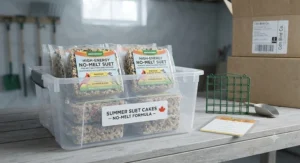
Rancid fat prevention isn’t a minor footnote — it’s arguably the single most important safety consideration in summer suet feeding. Rendered animal fat left in heat and humidity oxidizes quickly, developing a sour smell and, eventually, mould growth that can genuinely sicken birds rather than simply going to waste. According to Nature Canada, suet is a great feeding option, but only really performs safely through the warmer months when it’s specifically formulated to resist quick spoilage in heat. Practical prevention comes down to four habits: buy only what you’ll use within a few weeks in warm-weather storage, keep unopened stock refrigerated or frozen until needed, inspect every block before hanging it for any off smell or visible sheen, and pull anything that’s been outdoors more than a week during a heat wave regardless of how full it looks. It’s also worth a quick check of municipal or provincial wildlife-feeding bylaws if you’re in bear country — some regions restrict outdoor feeders seasonally for reasons that go well beyond suet freshness, and Hinterland Who’s Who is a reliable starting point for general Canadian feeding guidance.
Common Mistakes When Buying No Melt Suet for Summer
The most common error is assuming any suet labelled “year-round” automatically qualifies as heat-resistant — some products use that phrase loosely without the multi-render process that actually delivers on it, so it’s worth checking ingredient lists rather than taking marketing copy at face value. A second mistake is over-buying pack size based on winter consumption habits; birds simply eat less suet in summer when natural insects are abundant, so a twelve-pack that vanished in three weeks in January might sit for two months come July. Third, many buyers skip feeder placement entirely, assuming the product alone will solve the melting problem regardless of where it’s hung — shade placement genuinely matters even with the best formula. Finally, some shoppers assume price correlates directly with heat tolerance, when in practice the C&S dough-pressed line frequently outperforms pricier tray-poured competitors on pure structural stability, simply because of how the product is manufactured, not what it costs.
Long-Term Cost & Maintenance: Is No-Melt Suet Worth It?
Running the numbers honestly: a standard 11-ounce no-melt cake in the C$2–C$4 range, replaced roughly weekly through a Canadian summer (about 14–16 weeks from late May through early September), lands total seasonal cost somewhere between C$30 and C$65 depending on brand and how many feeders you’re running. Compare that to the hidden cost of feeding traditional suet in summer — melted product that goes to waste, potential feather-fouling incidents requiring cleanup, and the deck or patio staining that comes with dripped fat — and the price premium for a genuine no-melt formula pays for itself fairly quickly in avoided mess alone. Buying larger multi-packs, like the eight- or twelve-cake formats from C&S High Energy Delight No-Melt Suet Dough or Blue Seal Mealworms & Nuts No-Mess Suet Cakes, typically trims 15–25 percent off the per-cake cost compared to single purchases, provided your feeder traffic justifies the volume before the product ages out in storage.

Frequently Asked Questions
❓ Does no melt suet actually never melt in extreme heat?
❓ Can I put out no melt suet all summer long in Canada?
❓ What's the best summer suet block for beginners?
❓ Is homemade heat-resistant suet as good as store-bought no-melt suet?
❓ How do I know if my suet has gone rancid?
Conclusion
Summer suet feeding doesn’t have to mean a sticky mess on your deck or an empty feeder birds have given up on. The seven products covered here — from the budget-friendly C&S High Energy Delight No-Melt Suet Dough to the premium, calcium-fortified Wild Birds Unlimited SuperSuet No-Melt Cake — each solve the same core problem in slightly different ways, and the right pick really does come down to your feeder type, your regular visitors, and how much squirrel competition you’re dealing with. Pair whichever product you choose with genuinely good habits: shade, weekly cleaning, and smaller portions during the hottest stretches. Do that, and you’ll keep your backyard birds fed through the peak breeding season without the greasy cleanup that used to come with it. For more season-specific tips, Birds Canada publishes ongoing guidance on responsible summer bird feeding and feeder hygiene worth bookmarking.
Recommended for You
- Best Winter Suet Cakes 2026: 7 Top Picks That Won’t Freeze Solid
- Best Suet Cakes for Backyard Birds: 7 Top Picks for 2026
- Parrot Training Treats: 7 Top Picks Canadian Owners Trust (2026)
Disclaimer: This article contains affiliate links. As an Amazon Associate, I earn from qualifying purchases. If you purchase products through these links, we may earn a small commission at no additional cost to you.
✨ Found this helpful? Share it with your friends! 💬🤗
