
In This Article
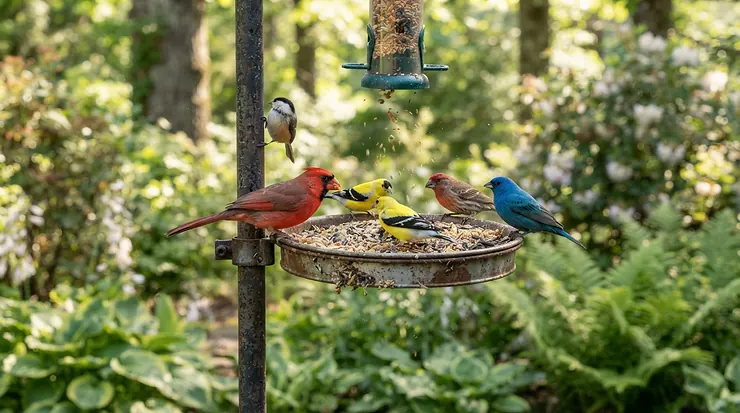
Here’s the dirty secret of backyard birding: the bag that looks like a bargain is often the priciest thing in your shed. You haul home a fat sack of wild bird seed for the price of a takeout lunch, fill the feeder, and then watch the chickadees flick half of it onto the snow like picky toddlers at a buffet. By February you’ve bought three bags, and the main beneficiaries are mice.
So let’s redefine affordable wild bird seed. It isn’t the lowest number on the price tag. It’s the lowest cost for seed that actually ends up inside a bird. The Cornell Lab of Ornithology points out that sunflower draws the widest variety of species. It also warns that mixes padded with red millet, oats and similar fillers get sorted through and tossed aside. That’s seed waste, and it’s the quiet budget-killer in this hobby.
This guide gives you the full picture for Canadian feeders in 2026. You’ll get seven real products you can find through Amazon.ca, plus the cost per kg maths that exposes false bargains. You’ll also see a feeder refill frequency cheat sheet, fixes for seed waste, and a plain-spoken look at wild bird seed deals Amazon.ca shoppers actually run into.
A quick honesty note before we start. Prices below are ballpark ranges in Canadian dollars, never quotes, so check the current price on the listing. Review commentary comes from independent testing and expert sources. I haven’t handled these bags myself, and I won’t pretend otherwise.
Quick Comparison: 7 Wild Bird Seed Options at a Glance
| Product | Seed Type | Bag Size | Ballpark Price (CAD) | Best For |
|---|---|---|---|---|
| Armstrong Black Oil Sunflower | Straight black oil sunflower | 25 lb (11.3 kg) | C$50-C$75 | All-round value, any feeder |
| Kaytee Black Oil Sunflower | Straight black oil sunflower | 20 lb (9 kg) | C$40-C$65 | Mid-size bags, tidy storage |
| Wagner’s Black Oil Sunflower | Straight black oil sunflower | 25 lb (11.3 kg) | C$50-C$75 | Winter stock-up |
| Armstrong All Season Blend | Mix: cut corn, wheat, millets, sunflower | 20 lb (9 kg) pail | C$30-C$50 | Ground and platform feeders on a tight budget |
| Kaytee Essentials Blend | Mix without milo, sunflower-led | 9.5 lb (4.3 kg) | C$20-C$35 | Small yards trying a blend |
| Cole’s Sunflower Meats | Shell-free sunflower hearts | 10 lb (4.5 kg) | C$55-C$85 | Balconies and no-mess zones |
| Wagner’s Safflower | Straight safflower | 5 lb (2.3 kg) | C$18-C$30 | Cardinals and squirrel-wary feeders |
Read the table by seed type, not by brand. The three straight sunflower bags are near-twins, so your real choice is bag size and storage. Armstrong All Season Blend wins on sticker price, but its mix of wheat and millets means more of it ends up on the ground. Cole’s Sunflower Meats looks outrageous per bag, yet it’s the only option with almost no shells to pay for or sweep up.
💬 Just one click — help others make better buying decisions too!😊
Top 7 Wild Bird Seed Picks for Canadian Backyards: Expert Analysis
1. Armstrong Black Oil Sunflower — the one-seed workhorse
If you could stock only one thing, this is it. The Amazon.ca listing describes a bag of 100% black oil sunflower, and the 25 lb (11.3 kg) size means fewer reorders and fewer trips to the porch with a shovel.
Black oil seeds have thin shells and oil-rich kernels. In practice, nearly every seed-eating visitor, from cardinals to nuthatches to blue jays, can crack them without a fuss. High fat is also what winter birds need to burn through cold nights. Because it’s a single ingredient, there’s nothing for birds to sort, which is exactly what keeps seed waste low.
Based on the spec comparison, this suits first-time feeders and anyone running a tube or hopper feeder. I couldn’t verify individual Amazon.ca review text for this listing. Independent feeding guides, though, consistently rank plain black oil sunflower as the safest all-round choice.
Pros:
- ✅ Single ingredient means almost no sorting waste
- ✅ Thin shells that most species can crack
- ✅ Big bag cuts down on reorders
Cons:
- ❌ Heavy to lift and store
- ❌ Misses ground-feeding specialists like juncos
Expect a ballpark of C$50-C$75, which is a strong value verdict when you count seed eaten rather than seed bought.
2. Kaytee Black Oil Sunflower — tester favourite in a friendlier size
Not everyone has room for a bag the size of a toddler. This option comes in a 20 lb (9 kg) size that fits a garage shelf or a lidded bin without a wrestling match.
Independent testers at TechGearLab named the Kaytee black oil seed the clear overall favourite in their trials. They noted little leftover mess because the birds ate nearly everything. Those testers also describe the seed as heat-sterilized so it won’t sprout under the feeder, which means no weedy surprise in the lawn come spring.
What does that mean for you? The sprout-proofing is a quiet convenience if your feeder hangs over a garden bed. The smaller bag also suits a single-feeder household that would take a year to finish 25 lb. Again, Amazon.ca review text wasn’t verifiable for me, so lean on the independent testing for your confidence here.
Pros:
- ✅ Praised by independent testers for little leftover mess
- ✅ Manageable 9 kg bag
- ✅ Sterilized seed won’t sprout below feeders
Cons:
- ❌ Costs more per kg than the biggest bags
- ❌ Plain seed lacks variety for ground feeders
Plan on roughly C$40-C$65, which is a fair verdict for the convenience.
3. Wagner’s Black Oil Sunflower — sturdy bulk bag for winter stockpiling
Think of this as the squirrel-in-autumn move: buy once, be set until March. The 25 lb (11.3 kg) 76027 listing is the bulk size, and its 5 lb sibling carries an Amazon’s Choice badge on the US store. Badge status on Amazon.ca varies, so check the Canadian page.
Seed-wise, it’s the same category as the first two picks: black oil sunflower, high in fat, thin-shelled. In a cold Canadian January, that fat is the point, because birds burn more energy simply staying warm. A bulk bag bought in November means you won’t be crunching through snow to a store when the thermometer hits −25°C.
If you’re comparing it with Armstrong Black Oil Sunflower, treat them as interchangeable and let price per kg decide. Pick whichever listing is cheaper on the day you shop. Review sentiment I could verify was limited, so I’m not going to invent any.
Pros:
- ✅ Bulk size covers a whole winter
- ✅ High-fat kernels suit cold-weather feeding
- ✅ Familiar brand with several bag sizes
Cons:
- ❌ Needs a rodent-proof bin
- ❌ Nearly identical to cheaper-per-kg competitors
Ballpark C$50-C$75; a good value verdict if it undercuts the other bulk bag.
4. Armstrong All Season Blend — budget mix built for ground feeders
This is the seed that earns its keep at the lowest sticker price in the lineup. The 20 lb (9 kg) pail blends cut corn, wheat, white and red millet and black oil sunflower, aimed at blue jays, dark-eyed juncos and mourning doves.
Here’s what the label won’t spell out. Corn and millet suit birds that eat at ground level, so this works best scattered on a platform feeder or a swept patch of ground. Cornell’s guidance flags wheat and red millet as fillers that many birds toss aside. That’s why this blend can shed seed on tube feeders.
What most buyers overlook is the pail itself: a sealed, stackable container is worth real money for keeping dampness and mice out. I couldn’t verify Amazon.ca review wording, so the verdict here rests on ingredient logic.
Pros:
- ✅ Lowest price in this roundup
- ✅ Suits jays, juncos and doves
- ✅ Reusable pail protects the seed
Cons:
- ❌ Fillers raise seed waste on hanging feeders
- ❌ Messier under the feeder
Expect about C$30-C$50, a solid value only if you feed from a platform or the ground.
5. Kaytee Essentials Blend — a mix that skips the milo
Mixes aren’t all equal, and this one is trying to be the sensible middle child. The 9.5 lb (4.3 kg) bag leans on black oil sunflower and leaves out milo, a common filler that many Canadian songbirds ignore.
Why that matters: less ignored seed means less raked-up mess. Birds still get a little variety, so you can watch a few more species compared with straight sunflower. It’s a sensible way to test whether your backyard crowd cares about anything beyond sunflower before you commit to a bulk bag.
The small bag means a mid-winter refill cycle will come around fast. As a stepping stone it works, but as your long-term supply it’s pricey per kg. Review text from Amazon.ca wasn’t verifiable for me, so rely on the ingredient logic.
Pros:
- ✅ No milo, so fewer ignored seeds
- ✅ Low-commitment bag size
- ✅ Adds variety beyond plain sunflower
Cons:
- ❌ Higher cost per kg than bulk sunflower
- ❌ Empties quickly in a busy feeder
Plan around C$20-C$35, an okay value for trial runs.
6. Cole’s Sunflower Meats — zero shells, almost zero mess
This is the luxury-sounding pick that’s secretly practical. The 10 lb (4.5 kg) bag holds shelled sunflower hearts, so there’s no hull layer to pay for, sweep or compost.
Since you’re buying only the edible kernel, the sticker cost per kg is high but the waste is nearly nil. Consider balconies, patios over a neighbour’s flowerbed, or any spot where hulls are a complaint. Shell-free seed also tends to spoil faster once damp, so a covered feeder and small refills are smart.
For households where shell mess is the dealbreaker, the maths flips in its favour. Elsewhere, pair it sparingly with a cheaper base. I couldn’t verify Amazon.ca review text here either.
Pros:
- ✅ No hulls to sweep or compost
- ✅ Nearly every gram gets eaten
- ✅ Great for balconies and patios
Cons:
- ❌ Highest cost per kg in the roundup
- ❌ Spoils faster when damp
Budget roughly C$55-C$85; a niche-value verdict that makes sense when mess costs you more than money.
7. Wagner’s Safflower — the squirrel-wary cardinal magnet
Safflower is the specialist’s seed. The 5 lb (2.3 kg) bag is small, which is fine because you’ll use it in a dedicated feeder rather than as your staple.
Cornell data, as summarized by bird-feeding writers, rank safflower as a favourite of cardinals, grosbeaks, chickadees and sparrows. Gardeners often report that squirrels are less keen on it, though results vary by neighbourhood. Treat it as a second-feeder strategy: sunflower in one, safflower in another.
Per kg it’s the priciest straight seed here after hearts, so buy small and see who shows up. Big-box shops sometimes carry larger safflower bags at a lower cost per kg, so compare before you commit. I couldn’t verify Amazon.ca review wording.
Pros:
- ✅ Cardinals and grosbeaks reportedly love it
- ✅ Often less appealing to squirrels
- ✅ Small bag is easy to trial
Cons:
- ❌ Costly per kg for everyday feeding
- ❌ Not a generalist seed
Ballpark C$18-C$30; a fair value verdict as a supporting act only.
Cost Per Kg: The Maths That Exposes False Bargains
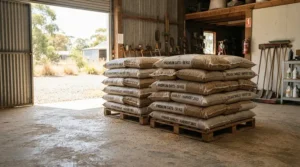
Here’s the practical guide I wish every feeder owner got. Step one: divide the bag price by its weight in kg. A 15 kg bag at C$30 is C$2.00 per kg. A 25 lb bag is 11.3 kg, so check the conversion before you compare.
Step two: adjust for seed waste. Divide the sticker cost per kg by the share of seed that gets eaten. A mix at C$2.00 per kg with 40% waste costs C$3.33 per kg eaten. The table below uses round, illustrative numbers, not quotes. The C$2.00 benchmark mirrors what big-box retailers charge for house-brand mixes, while the sunflower and heart figures are placeholders.
| Scenario | Sticker Cost per kg | Assumed Waste | Effective Cost per kg Eaten | Best For |
|---|---|---|---|---|
| Big-box mix, 15 kg at C$30 | C$2.00 | 40% | C$3.33 | Ground and platform feeders |
| Same mix, heavy sorting | C$2.00 | 70% | C$6.67 | A warning sign |
| Armstrong Black Oil Sunflower, 11.3 kg at C$60 | C$5.31 | 10% | C$5.90 | Hopper and tube feeders |
| Cole’s Sunflower Meats, 4.5 kg at C$70 | C$15.56 | ~0% | C$15.56 | Balconies and no-mess zones |
Notice what the numbers say. A cheap mix can genuinely win if waste stays below roughly two-thirds. It loses badly when birds ignore half the bag and the rest rots on the ground. Amazon.ca bulk seed also often costs more per kg than big-box house brands. Compare your actual listing price before assuming the convenience is free.
Feeder Refill Frequency: Build a Schedule Instead of Guessing
Feeder refill frequency is the hidden driver of both cost and safety. Overfill a feeder and seed sits damp for weeks. Underfill it and birds learn your yard is unreliable. The sweet spot is a quantity your visitors finish in about two to four days.
| Feeder Type | Typical Capacity | Typical Refill Rhythm | Best For |
|---|---|---|---|
| Small tube | 0.5-1 kg | Every 2-4 days when busy | Finches, chickadees |
| Hopper | 1.5-3 kg | Every 4-7 days | Mixed visitors, Armstrong Black Oil Sunflower |
| Platform tray | Scatter lightly | Daily to every 2 days | Armstrong All Season Blend, jays and doves |
| Shell-free feeder | 0.5-1 kg | Every 2-3 days | Cole’s Sunflower Meats on patios |
Those rhythms are practical rules of thumb, not lab results. Your own count of empty days will refine them. If a hopper holds seed for two weeks, it’s too full. Pour in less, because stale, damp seed is how mould and illness creep in.
Seed Waste: Five Problems and Their Fixes
Seed waste is where budgets leak. Here’s how to plug each hole.
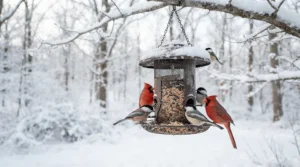
- Birds flick seed out. They’re hunting for favourites. Switch from a mix to straight sunflower, as Kaytee Black Oil Sunflower or Wagner’s Black Oil Sunflower allow.
- Hulls pile under the feeder. Move the feeder over a hard surface, or try Cole’s Sunflower Meats.
- Seed goes mouldy. Smaller refills and a dry feeder fix it. Wet seed isn’t a bargain at any price.
- Squirrels and mice are eating most of it. Try Wagner’s Safflower, add a baffle, and bring feeders in overnight if raccoons visit.
- Wrong seed in the wrong feeder. Ground-style blends like Armstrong All Season Blend belong on platforms, not tubes.
The Nature Canada guidance on safe feeding backs up the hygiene side of all this. One more nudge: Nature Canada’s feeder notes mention that millet can draw cowbirds and house sparrows, so switching to black oil is a handy fix if you’re hosting the wrong crowd.
✨ Don’t Miss These Exclusive Deals!
🔍 Take your feeder game to the next level with these carefully selected seeds. Click any highlighted product to check current pricing and availability. They’ll help you create a steady, low-waste backyard buffet your birds will love!
What Is Wild Bird Seed?
Wild bird seed is any seed-based food sold to feed free-living birds at backyard feeders, from single-ingredient bags like black oil sunflower to blends of sunflower, millet, corn and other grains. Quality ranges widely, so the ingredient list matters more than the front-of-bag photo.
Think of it as groceries for animals with strong opinions. Black oil sunflower is the crowd-pleaser, millet and corn suit ground feeders, safflower attracts cardinals, and nyjer feeds small finches. Fillers like wheat and red millet are cheap bulk that many birds refuse, which is why low prices can hide high waste.
How to Choose Wild Bird Seed
Here’s the short list, with the Birds Canada feeder-and-seed guide as a useful companion.
- Match the seed to your feeder. Tubes need small, clean seed. Platforms handle mixes.
- Start with black oil sunflower. It’s the safest bet for the widest variety of birds.
- Read the first three ingredients. If wheat, red millet or milo lead, expect waste.
- Calculate cost per kg eaten. Use the formula above rather than the sticker.
- Buy a size you can finish. Stale seed isn’t a deal.
- Think about your visitors. Want cardinals? Add safflower. Hosting finches? Add nyjer.
Features That Actually Matter (And Those That Don’t)
What matters: ingredient order, seed freshness, bag size, and whether the seed is sterilized so it won’t sprout. What doesn’t: gorgeous packaging, long lists of exotic extras, and breathless claims about “premium” without ingredient proof.
A “no mess” label isn’t automatically magic either. It usually means shell-free or low-filler, so it should cost more per kg but waste less. A nut-and-fruit blend can be delightful for woodpeckers and jays, yet it’s rarely the budget move. Treat extras as seasoning, not the main course.
Common Mistakes When Buying Affordable Wild Bird Seed
Mistake one: shopping by sticker. A cheap bag with heavy waste costs more than a pricier clean bag. Mistake two: buying more than you can use. Seed loses freshness, and a damp bag becomes a mould factory. Mistake three: matching nothing to nothing, as in putting ground-feeder blends in tube feeders.
Mistake four is assuming bulk always wins. A 25 lb bag is wonderful until it sits half-used in a humid shed for a year. Mistake five: ignoring cleanliness. Seed isn’t affordable if disease forces you to take feeders down. Buy what you’ll use and keep it dry.
Wild Bird Seed vs Alternatives: Straight Sunflower, Cheap Blends and Hearts
| Option | Waste Level | Mess | Variety of Birds | Best For |
|---|---|---|---|---|
| Straight black oil, like Kaytee Black Oil Sunflower | Low | Moderate (hulls) | Wide | Most Canadian feeders |
| Cheap blend, like Armstrong All Season Blend | Medium-high | High | Mixed, ground-heavy | Platform feeders, tight budgets |
| Hearts, like Cole’s Sunflower Meats | Very low | Very low | Wide | Balconies and patios |
The table suggests there’s no universal winner, only a best fit. Straight sunflower is the dependable middle path. Blends can be economical if you feed on the ground, while hearts are worth their price where mess has a cost. If you’re unsure, start with sunflower and add one specialty seed at a time.
Long-Term Cost & Maintenance
Annual cost is bags per year times price per bag, plus cleaning supplies and a lidded bin. Retail benchmarks help: Canadian Tire lists big house-brand mixes at roughly C$2 to C$2.50 per kg. Smaller premium blends run near C$3.50 per kg, and a large safflower bag lands around C$6 per kg.
Over a winter, a busy hopper that finishes 1.5 kg a week uses roughly 25 to 30 kg across a long season. That’s why cost per kg isn’t pedantry; it’s your whole seed budget. Add a covered bin, a feeder brush and a bleach solution, and your first-year setup is the only expensive one. After that, you’re mostly buying seed.
Safety, Health and Regulations Guide
Good news first. The Government of Canada’s avian influenza guidance says backyard feeders are unlikely to spread highly pathogenic avian influenza, and the outbreak risk for feeder species is low. The same guidance advises against feeding waterfowl and gulls, so keep the menu to songbirds.
Hygiene is still non-negotiable. Birds Canada guidance, as relayed by Wild Birds Unlimited, suggests cleaning feeders roughly every two weeks with one part bleach to nine parts water, then rinsing and drying fully. Rake spoiled seed from the ground, and take feeders down if you see sick birds. Check your municipal bylaws too, as some towns ask that feeders stay clean and inaccessible to other wildlife.
Wild Bird Seed for Specific Audiences
Apartment and balcony renters: shell-free Cole’s Sunflower Meats keeps railings and neighbours happy, and small refills keep seed fresh.
Cottage owners: buy bulk Wagner’s Black Oil Sunflower for the season, but store it in a sealed bin because rodents are persistent roommates.
Families with kids: use a window-view hopper with Kaytee Black Oil Sunflower, which draws a lively crowd without much fuss.
Budget-first households: feed Armstrong All Season Blend on a platform tray and add a handful of sunflower to improve variety.
Winter-heavy regions benefit from higher-fat seed because birds burn extra energy to stay warm, so lean toward the black oil options when the mercury drops.
Wild Bird Seed Deals Amazon.ca: How to Shop Smart
Wild bird seed deals Amazon.ca shoppers chase can be real, but only if you compare properly. Open the listing, note the size in kg, and calculate cost per kg before you click. Prices move constantly, so check current price rather than trusting a screenshot, and never assume a “deal” unless Amazon visibly labels it.
Shipping weight matters too. Bulk seed is heavy, and delivery charges or minimum-order thresholds can swallow a discount. Compare against big-box house brands too, since some run around C$2 per kg in-store. If Subscribe & Save is offered on a listing, confirm the terms before you commit, because availability varies. Cheap backyard bird seed is only cheap if the birds eat it and your total checkout cost stays reasonable.
FAQ
❓ How long does an open bag of wild bird seed stay fresh?
❓ Can I mix black oil sunflower with a cheap blend?
❓ Which bag size is cheapest per kg?
❓ Should I feed birds through summer?
❓ Is straight safflower worth the extra cost?
Conclusion
Affordable wild bird seed isn’t a mystery; it’s arithmetic with a dash of observation. Start with black oil sunflower, because Armstrong Black Oil Sunflower, Kaytee Black Oil Sunflower and Wagner’s Black Oil Sunflower offer the safest mix of price, variety and low waste. If you feed on the ground and watch your pennies, Armstrong All Season Blend can work. Choose Kaytee Essentials Blend for a gentle trial, Cole’s Sunflower Meats where hulls are a problem, and Wagner’s Safflower when cardinals are the goal.
Remember the three habits that save the most money: calculate cost per kg eaten, match seed to feeder, and keep a steady feeder refill frequency so seed never sits damp. Do that and the birds do the rest.
✨ Ready to stretch your seed budget?
🐦 Pick your bag, check the current price on Amazon.ca, and get your backyard buffet open for business!
Recommended for You
- Natural Canary Food: 7 Best Picks For Canada In 2026
- Canary Food For Molting: 7 Best Picks For Canada (2026)
- Egg Food For Canaries: 7 Ultimate Picks In Canada (2026)
Disclaimer: This article contains affiliate links. As an Amazon Associate, I earn from qualifying purchases. If you purchase products through these links, we may earn a small commission at no additional cost to you.
✨ Found this helpful? Share it with your friends! 💬🤗
