
In This Article
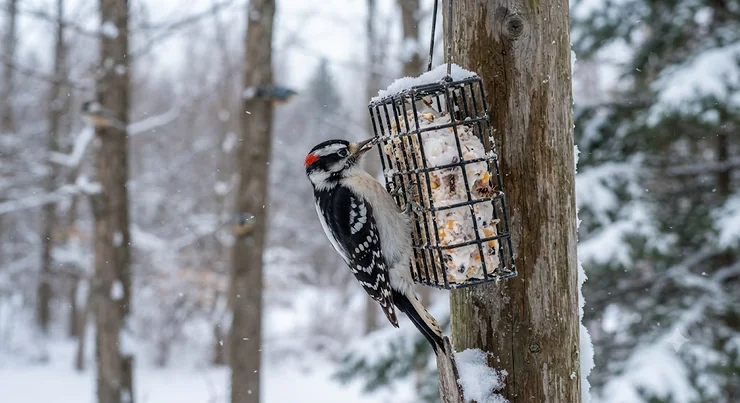
Somewhere around the third week of January, when the mercury drops and your maple tree looks like it’s been dipped in icing sugar, your backyard birds stop caring about seed mixes and start caring about one thing: fat. Lots of it, fast. That’s the whole appeal of best winter suet cakes — they’re basically a candy bar for chickadees, and a well-chosen one can turn a quiet, frozen yard into a flurry of wings within a week. But not every suet block on the shelf is built for a Canadian January. Some soften into a greasy puddle the second the sun hits the feeder; others crack like a hockey puck and sit there untouched.
This guide skips the marketing copy and gets into what actually matters: fat content, melting points, ingredient quality, and which formulas hold their shape through a Prairie cold snap or a Maritime freeze-thaw cycle. We researched real products sold through Amazon.ca, cross-referenced their specs against what wildlife groups recommend, and pulled together honest, aggregated review sentiment where it exists — no invented five-star testimonials here. Whether you’re feeding downy woodpeckers in Ontario, chickadees in Alberta, or a scrappy crew of nuthatches on the West Coast, you’ll find a suet cake here that fits your feeder, your budget, and your birds’ actual caloric needs.
We’ll also dig into secondary essentials most articles skip: how high energy suet for cold weather birds differs from the summer stuff, what makes a cold-hardy suet formula genuinely freeze-resistant, why suet for woodpeckers in Canada has its own quirks, and how to estimate winter calorie needs for the species visiting your yard.
What Is the Best Winter Suet Cake?
The best winter suet cakes are rendered-fat blocks — typically beef suet mixed with seeds, nuts, or fruit — engineered to stay firm below freezing without becoming rock-hard, while packing enough calories per bite to help small birds survive long, cold nights. Look for a high fat-to-filler ratio, a melting point suited to your climate, and ingredients matched to the species in your yard, from woodpeckers to chickadees to the occasional bold jay.
Suet itself isn’t a novelty food invented by pet brands — it’s a genuine wildlife-biology concept. Per Wikipedia’s overview of suet cakes, these blocks are nutritional supplements for wild birds, typically combining sunflower seeds and oat flakes with rendered fat, and further formulas can include nuts, fruit, and even mealworms. That mix of raw fat and calorie-dense extras is exactly why suet outperforms plain seed when the temperature crashes.
Quick Comparison Table
| Suet Cake | Best For | Format | Value Snapshot |
|---|---|---|---|
| St. Albans Bay Suet Plus | Best budget bulk pack | 20 x 11 oz cakes | Under C$45 |
| Wildlife Sciences Jumbo Mixed | Best variety pack | 20 x 10.5 oz (peanut & berry) | C$35-C$50 range |
| C&S Berry Suet Cake | Best for cardinals & berry-lovers | Single 11 oz cake | Under C$10 |
| Blue Seal Mealworms & Nuts | Best high-protein pick | 12 x 11 oz cakes | C$25-C$35 range |
| Pine Tree Farms Hi-Energy | Best budget nut blend | 12 x 12 oz cakes | C$20-C$30 range |
| Suet Plus Woodpecker Blend | Best dedicated woodpecker formula | Case of 12 | C$25-C$40 range |
| Chirp & Maple Dazzle Suet | Best premium Canadian-made option | 9 x 300 g cakes (2.7 kg) | C$30-C$45 range |
Look at the spread here for a second: it isn’t just price that separates these seven, it’s purpose. The bulk multi-packs from St. Albans Bay Suet Plus and Wildlife Sciences Jumbo Mixed make sense if you’re refilling two or three feeders a week and want cost-per-cake to stay low. If you’re chasing a specific species — say, pileated woodpeckers or a stubborn pair of cardinals — the targeted formulas like Suet Plus Woodpecker Blend and C&S Berry Suet Cake earn their higher per-cake cost by matching ingredients to what those birds actually forage for in the wild. Chirp & Maple Dazzle Suet, a Canadian-formulated option, sits at the premium end because it’s built around ingredient sourcing and freshness rather than sheer volume.
💬 Just one click — help others make better buying decisions too!😊
Top 7 Best Winter Suet Cakes: Expert Analysis
1. St. Albans Bay Suet Plus — best value for high-volume feeding stations
If you’ve got two or three suet feeders going through a Canadian winter, the standout feature here is sheer economy of scale, and it’s worth expanding on: at 20 cakes per case, this pack is built for people who refill weekly, not occasionally. Each 11 oz cake uses a melt-resistant formula designed to hold its shape through freeze-thaw cycles, wrapped in an easy-open, mess-free package that skips the greasy tray altogether. The high-energy blend leans on rendered fat with cracked corn and mixed seed, which translates in practice to a cake that clinging birds can peck at without it crumbling into the snow below.
Who should buy it: bird lovers running a full feeding station rather than a single feeder, and anyone tired of running out of suet mid-January. Based on the spec comparison against smaller single-cake products, the per-cake cost here drops noticeably once you’re buying in this volume, which matters when you’re feeding through a five-month Canadian winter rather than a two-week cold snap.
Reviewers consistently report that the individually wrapped cakes stay fresher longer than loose bulk suet, and that a wide mix of species — from chickadees to blue jays — show up within days of hanging the first cake. A recurring theme in aggregated feedback is that the texture holds up well even after freezer storage, which lines up with the product’s stated melt-resistant formula.
Pros:
- ✅ Bulk 20-pack keeps cost-per-cake genuinely low
- ✅ Melt-resistant formula holds shape in freeze-thaw swings
- ✅ Easy-open wrapping means less greasy handling
Cons:
- ❌ Bulk size is overkill for single-feeder households
- ❌ Standard mixed-seed blend won’t specifically target woodpeckers
Priced in the C$35-C$45 range for the full case, St. Albans Bay Suet Plus delivers strong value for anyone feeding multiple stations, though solo-feeder households may find smaller packs a better fit.
2. Wildlife Sciences Jumbo Mixed — best variety pack for mixed backyards
The standout here is the split format — ten peanut cakes and ten berry cakes in one case — which lets you rotate flavours and see what your specific birds actually prefer, something a single-flavour case can’t offer. Each 10.5 oz cake measures roughly 5″ x 5″ x 1″, a near-universal fit for standard wire suet cages sold across Canada. The peanut half leans into the fat-and-protein combination woodpeckers and nuthatches gravitate toward, while the berry half is aimed at fruit-eating visitors like robins and the occasional waxwing passing through.
What most buyers overlook about variety packs like this one is that they double as a diagnostic tool: if the peanut cakes disappear in two days while the berry ones sit untouched, you’ve just learned something useful about your yard’s actual bird population, and you can shop smarter next time. Reviewers commonly note strong uptake across a wide range of species, with several mentioning that mixing flavour types in the same feeding station attracted more visits overall than a single-flavour approach.
Pros:
- ✅ Two proven flavour profiles in one 20-pack
- ✅ Universal 5″x5″x1″ size fits standard suet cages
- ✅ Helps identify which flavour your local birds prefer
Cons:
- ❌ Berry cakes may go untouched in yards without fruit-eating species
- ❌ 20-pack still requires cold storage space for unused cakes
At around C$35-C$50 for the case, this sits comfortably in the mid-range, and the built-in variety makes it a smart starting point if you’re not yet sure which formula your yard prefers.
3. C&S Berry Suet Cake — best for cardinals and fruit-loving species
This single 11 oz cake’s standout feature is its berry-forward recipe, engineered specifically to soften at 100°F (about 38°C) and firm back up at room temperature — a formulation detail that matters more than it sounds. What that spec means in practice: the cake stays workable enough for birds to peck through in mild cold snaps, but won’t turn into a puddle if you get an unseasonable warm spell in late fall or early spring, which is exactly the kind of freeze-thaw swing that ruins cheaper suet.
Based on the spec comparison with plainer beef-and-seed blocks, the added dried fruit gives this cake a real edge for attracting cardinals, robins, and other species that lean more fruit-and-berry in their natural diet than pure insect-eaters like woodpeckers do. Aggregated review sentiment for this style of berry suet tends to highlight strong cardinal and songbird activity, alongside occasional notes that the cake arrives on the softer side in warm shipping conditions — a reasonable trade-off given the low melting point that makes it bird-friendly in the first place.
Pros:
- ✅ Berry blend specifically draws cardinals and songbirds
- ✅ Softens and re-hardens without losing shape
- ✅ Budget-friendly single-cake price point
Cons:
- ❌ Single cake means frequent reordering for busy feeders
- ❌ Can arrive soft if shipped during a warm stretch
Usually priced under C$10 per cake, this is an easy, low-commitment way to test whether a berry formula outperforms a standard mix in your specific yard.
4. Blue Seal Mealworms & Nuts — best high-protein pick for active feeders
The mealworm-and-nut combination is the standout feature, and it’s worth unpacking: dried mealworms add a concentrated protein source that mimics the insects many suet-eating birds would naturally hunt before the ground freezes solid. Each 11 oz cake in this 12-pack uses a melt-resistant, no-mess formula, with an easy-open wrapper that Blue Seal claims uses roughly 80% less packaging than tray-style suet — a small but genuine sustainability plus.
What the spec sheet won’t tell you, but reviewer patterns suggest, is that mealworm-inclusive suet tends to pull in a noticeably wider species list than plain seed suet — woodpeckers, nuthatches, chickadees, and titmice all show up, with several aggregated reviews specifically calling out strong repeat visits from the same birds day after day. That consistency matters in winter, when you want a reliable food source rather than birds sampling once and moving on.
Pros:
- ✅ Mealworm-nut mix adds real protein density
- ✅ No-mess, low-packaging wrapper design
- ✅ Attracts a wide range of clinging and perching species
Cons:
- ❌ Higher per-cake cost than plain seed-based suet
- ❌ Mealworm scent can draw more squirrel attention
Sitting in the C$25-C$35 range for the case, this is worth the premium if your priority is maximizing species variety rather than minimizing cost.
5. Pine Tree Farms Hi-Energy — best budget nut-based option
The standout advantage of this 12-pack is straightforward value: mixed nuts and cracked corn folded into a rendered beef fat base, at a price point that undercuts most name-brand competitors without skimping on the fat-to-filler ratio that actually fuels birds through cold nights. Each 12 oz cake is built for standard wire cages, tray feeders, or platform setups, giving you flexibility in how you deploy it around the yard.
Here’s what most buyers overlook about “budget” suet: cheap doesn’t automatically mean low quality, it just means fewer specialty add-ins like mealworms or dried fruit. Based on the spec comparison, this cake’s protein still comes primarily from rendered beef fat plus mixed nuts, which is nutritionally comparable to pricier options — you’re mainly paying less because you’re skipping the mealworm or berry premium, not because the fat content is diluted.
Pros:
- ✅ Strong fat content for the price point
- ✅ 12 oz cakes fit most standard feeder styles
- ✅ Reliable option for stretching a winter feeding budget
Cons:
- ❌ No specialty ingredients like mealworms or dried fruit
- ❌ Made in the USA, so shipping times to remote Canadian addresses can vary
Typically priced in the C$20-C$30 range for the full case, this is the pick for anyone who wants dependable winter nutrition without paying a premium for extras.

6. Suet Plus Woodpecker Blend — best dedicated formula for woodpeckers
This case of 12 stands out for one reason: it’s formulated specifically around what woodpeckers forage for, rather than being a generic all-species blend with woodpeckers as an afterthought. The “candy bar” style individual wrapper cuts down on the mess and waste typical of old tray-style suet, and the blend is aimed squarely at pileated, downy, and hairy woodpeckers, along with nuthatches and chickadees that share the same foraging style.
Honestly, if your goal is specifically suet for woodpeckers in Canada, this is the category this product was built for — the analytical case for it over a generalist suet is straightforward: species-specific formulas tend to concentrate the fat and protein ratios that clinging, bark-foraging birds respond to, rather than diluting them with filler ingredients aimed at ground-feeding species that woodpeckers ignore anyway. Aggregated review sentiment repeatedly mentions daily woodpecker visits once this suet is introduced, along with occasional Steller’s jays and crows competing for a share — a reasonable nuisance given how effective the formula is at drawing attention.
Pros:
- ✅ Purpose-built for woodpeckers, nuthatches, and chickadees
- ✅ Individually wrapped “candy bar” style reduces mess
- ✅ Strong aggregated feedback on repeat woodpecker visits
Cons:
- ❌ Larger, more aggressive birds (jays, crows) may crowd out target species
- ❌ Premium formulation pushes the price above generic blends
Expect to pay in the C$25-C$40 range for the case — a fair premium if woodpeckers are genuinely the birds you’re trying to attract.
7. Chirp & Maple Dazzle Suet — best premium Canadian-made option
The standout feature is right there in the branding: this is a Canadian-formulated suet built around cardinal-focused ingredients, sold in a 9-pack totalling 2.7 kg — a sizeable amount of product for households that want a domestic option rather than a US import. That distinction matters to some buyers for freshness and shipping-time reasons alone, separate from any patriotic preference.
What most buyers overlook when comparing premium suet to bargain multi-packs is that price differences often come down to ingredient sourcing transparency and smaller-batch production rather than marketing markup. Based on the available specs, this formula is positioned toward attracting northern cardinals specifically, which lines up with what wildlife groups note about cardinals being frequent suet visitors in eastern and central Canadian backyards during winter. Because independent review volume is still building for this newer entrant compared to legacy US brands, we’d rather say plainly that verified aggregated review data is thinner here than for established players — worth factoring in if a long review history matters to your purchase decision.
Pros:
- ✅ Formulated in Canada with cardinal-focused ingredients
- ✅ Generous 2.7 kg total volume across 9 cakes
- ✅ Appeals to buyers prioritizing domestic sourcing
Cons:
- ❌ Smaller verified review history than legacy US brands
- ❌ Premium pricing relative to bulk generic options
In the C$30-C$45 range, this is the pick for anyone who wants a Canadian-made premium option and is comfortable being an earlier adopter relative to more established brands.
High Energy Suet for Cold Weather Birds: Why Fat Content Matters
Here’s the mechanism worth understanding: small birds lose heat fast because of their surface-area-to-mass ratio, and they burn through fat reserves overnight just staying alive, not just staying active. That’s why high energy suet for cold weather birds isn’t a marketing phrase — it’s describing a genuine nutritional requirement. A chickadee roosting through a minus-25°C night in Saskatoon can burn through a meaningful chunk of its body fat before dawn, and it needs to refuel almost immediately when it wakes.
This is where fat percentage becomes the number that actually matters more than price or brand recognition. Suet cakes built around rendered beef fat typically deliver a far higher energy density per gram than seed mixes, which is precisely why the Canadian Wildlife Federation’s bird feeding guidance describes suet as a high-energy food that chickadees, nuthatches, woodpeckers, and other insect-eating birds specifically rely on for animal fat during winter. The takeaway for shoppers: when comparing suet cakes, prioritize blends that lead with rendered fat rather than ones padded heavily with filler grains like oats or rice, which contribute bulk but comparatively little of the caloric punch birds actually need on a frozen morning.
Best Suet for Woodpeckers in Canada
Woodpeckers occupy a distinct feeding niche compared to ground-and-perch birds like sparrows or juncos, and that changes what suet for woodpeckers in Canada should actually look like. Downy, hairy, and pileated woodpeckers all cling to bark and probe for insects year-round, which means their winter diet naturally shifts toward the fat-and-protein combination that suet mimics almost perfectly. A tail-prop feeder style pairs well with woodpecker-formulated suet because larger species need somewhere to brace their tail feathers while feeding — a detail generic feeders often miss.
Regionally, this matters more in Canada than it might elsewhere: pileated woodpeckers range across most forested provinces, and cold, snow-covered ground makes bark-foraging suet even more valuable relative to the summer months when insects are abundant. Products like our Suet Plus Woodpecker Blend pick above lean into this by concentrating fat and protein rather than diluting the mix with filler seed aimed at species woodpeckers don’t compete with anyway.
One safety note worth flagging here: hot pepper suet blends are popular in Canada specifically because capsaicin deters squirrels without bothering birds, whose taste receptors don’t register the heat the same way mammals’ do — a clever, well-documented trick rather than a gimmick, and worth considering if squirrels are stripping your woodpecker feeder before the birds get a fair shot.
Cold-Hardy Suet Formula: How No-Melt Suet Actually Works
A genuinely cold-hardy suet formula isn’t just “suet that happens to be cold” — it’s a deliberate manufacturing choice. Standard rendered beef fat softens noticeably once temperatures climb past roughly 27-32°C, which is a non-issue in a Canadian January but becomes a real problem during shoulder-season warm spells in October or March. Manufacturers address this by adjusting the ratio of flour, grains, or plant-based binders mixed into the rendered fat, raising the effective melting point without sacrificing the calorie density birds need.
The practical upside of a cold-hardy formula is less mess and less waste: a cake that holds its shape through freeze-thaw cycling won’t slump out of its wire cage or drip onto your deck, and it stays appealing to birds rather than turning into a grimy, refrozen lump. When comparing labels, look for phrases like “melt-resistant” or “all-season” — these typically signal the manufacturer has specifically engineered for a higher melting threshold rather than using a standard summer-vulnerable recipe. Products like St. Albans Bay Suet Plus and C&S Berry Suet Cake both lean on this kind of formulation, which is part of why they hold up across the freeze-thaw swings typical of a Canadian winter rather than one long, steady cold snap.
Understanding Winter Calorie Needs for Birds
It’s easy to underestimate just how much energy a small bird burns simply staying warm. Winter calorie needs for birds spike dramatically compared to summer, when insects and seeds are abundant and temperatures don’t force constant thermoregulation. A black-capped chickadee, for example, can lose a meaningful percentage of its body weight overnight in deep cold, entirely from burning fat reserves to maintain a body temperature many degrees above the surrounding air.
This is precisely why Bird Canada’s winter feeding guidance notes that during cold winters, resident birds come to depend heavily on feeder-supplied food to supplement what they can no longer forage naturally. The practical implication for feeder owners: don’t treat suet as an occasional treat once temperatures drop below freezing. A consistent, reliable supply — especially through overnight cold snaps — genuinely supports winter survival for the birds relying on your yard, even though feeders only ever supplement a fraction of a bird’s total diet rather than replacing natural foraging entirely.
Freeze-Resistant Suet Cake: Storage and Feeding Tips
A freeze-resistant suet cake still benefits from smart handling on your end, and this is where a lot of well-meaning feeders undercut their own investment. Storing unused cakes in the freezer actually extends shelf life significantly and does nothing to harm the product — frozen suet thaws fine in a feeder within an hour or two of hanging, even in cold weather, because ambient winter temperatures keep it from over-softening in the meantime.
A few practical habits make a real difference: rotate stock so older cakes get used first, keep a spare cage or two so you’re never caught refilling in a blizzard, and resist the urge to overstuff a single feeder — birds access suet more efficiently when it’s not crammed edge-to-edge in the cage. It’s also worth noting that even freeze-resistant formulas aren’t immune to squirrel damage; a baffle or a hot-pepper variant solves that problem far more reliably than hoping the squirrels lose interest.
How to Choose the Best Winter Suet Cake
Picking the right suet cake comes down to matching formula to circumstance rather than grabbing whatever’s cheapest on the shelf. Here’s a practical framework:
- Identify your target species first. Woodpeckers want fat-and-protein-heavy blends; cardinals and robins respond better to fruit-forward formulas like C&S Berry Suet Cake.
- Match the melting point to your climate swings. Coastal BC and Maritime regions with frequent freeze-thaw cycles benefit more from cold-hardy formulas than consistently frozen Prairie winters.
- Calculate your real refill frequency. A busy feeding station burns through a single cake in days, making bulk cases like St. Albans Bay Suet Plus far more economical than they first appear.
- Check the ingredient list, not just the marketing. Rendered fat should lead the list; filler grains shouldn’t dominate it.
- Decide if variety or specialization serves you better. A mixed-flavour case like Wildlife Sciences Jumbo Mixed works well if you’re still learning what your yard prefers.
- Factor in squirrel pressure. If squirrels are a persistent problem, a hot-pepper or caged-feeder pairing will save you more suet than any formula change alone.
- Weigh domestic sourcing if it matters to you. Options like Chirp & Maple Dazzle Suet offer a Canadian-made alternative to the legacy US import brands that dominate the category.
Common Mistakes When Buying Winter Suet Cakes
Even well-intentioned bird lovers trip over a few predictable errors. The most common is buying based purely on price per cake without factoring in how quickly a particular formula gets consumed — a cheap suet that vanishes in a day isn’t actually cheaper than a pricier one that lasts a week. Another frequent misstep is ignoring feeder compatibility: not every cake fits every cage, and a mismatched size leads to crumbling and waste.
A third mistake is assuming all suet works for all birds — generic mixed-seed suet won’t out-compete a species-specific formula if you’re specifically trying to attract woodpeckers or cardinals. Finally, many people skip cold storage entirely, leaving extra cakes in a warm garage where they can soften prematurely or attract pests; keeping backup stock in the freezer avoids this problem completely and costs nothing extra.
Suet Cakes vs Traditional Bird Feed
| Factor | Suet Cakes | Seed Mix | Nyjer/Thistle |
|---|---|---|---|
| Fat density | Very high | Low-moderate | Low |
| Best for | Woodpeckers, nuthatches, chickadees | Sparrows, juncos, jays | Finches, goldfinches |
| Winter performance | Excellent (calorie-dense) | Moderate | Weak on its own |
| Mess level | Low (caged) | High (spillage) | Very low |
The analytical takeaway here is that suet and seed aren’t really competitors — they’re complementary. As Global News reported on Canadian winter bird feeding, winter feeding should lean toward higher-fat food because birds need more energy to stay warm and active in the cold, which is exactly the gap suet fills that plain seed mixes leave open. A well-rounded winter feeding station pairs a black-oil-sunflower seed feeder with at least one suet cage, since the two food types pull in largely different species and cover different nutritional bases.
✨ Don’t Miss These Exclusive Deals!
🔍 Take your winter bird feeding to the next level with these carefully selected suet picks. Click on any highlighted product to check current pricing and availability. These formulas will help you create a lively, well-fed backyard your whole family will love watching!
Real-World Winter Bird Feeding Scenarios
The apartment balcony birder in Toronto: limited space, no yard, and squirrels are less of an issue at height. A single suction-cup window feeder loaded with C&S Berry Suet Cake gives cardinals and the odd chickadee a reason to visit, without committing to bulk storage this birder doesn’t have room for.
The rural Alberta homestead with a full feeding station: cold, dry winters with long stretches well below freezing, and a steady rotation of chickadees, nuthatches, and woodpeckers. This is exactly the scenario St. Albans Bay Suet Plus or Wildlife Sciences Jumbo Mixed were built for — high volume, low per-cake cost, and a formula that shrugs off deep cold without needing constant babysitting.
The suburban Ontario yard chasing woodpeckers specifically: a family that’s spotted downy woodpeckers nearby but wants to draw them in reliably. Pairing a tail-prop feeder with Suet Plus Woodpecker Blend targets that exact species niche far more effectively than a generic mixed suet would, based on how the formula concentrates the fat-and-protein ratio woodpeckers actually forage for.
Practical Suet Feeding and Maintenance Guide
Getting set up right in the first 30 days makes a real difference in how quickly birds discover your feeder. Start by hanging your suet cage roughly 1.5 to 2 metres off the ground, ideally within ten feet of protective shrubs or trees so nervous first-time visitors have somewhere to retreat. Don’t panic if activity is slow the first week — birds need time to locate a new food source, and word travels through a local flock faster than most people expect.
Once established, a simple maintenance rhythm keeps things running smoothly: check cakes every few days, especially after a snowstorm that might have buried or knocked down the feeder, and swap in a fresh cake before the current one is picked completely clean rather than after. Clean the cage itself every couple of weeks with warm water to prevent grease buildup, which can otherwise go rancid and deter the very birds you’re trying to attract. A common early mistake is over-filling a single feeder instead of spacing two or three around the yard — spreading feeders out reduces crowding, competition, and the odds that one aggressive species monopolizes the whole supply.
Buyer’s Decision Framework
If you’re feeding a small urban yard with just one or two visiting species, choose a single cake like C&S Berry Suet Cake because committing to a full case makes little sense at that scale. If you’re running a full backyard feeding station with multiple feeders, choose a bulk case like St. Albans Bay Suet Plus because the cost-per-cake advantage compounds fast over a five-month winter. If woodpeckers are your specific goal, choose Suet Plus Woodpecker Blend because species-targeted formulas simply outperform generalist blends for that purpose. If you’re still mapping out what your yard prefers, choose a variety pack like Wildlife Sciences Jumbo Mixed because it doubles as a low-risk way to gather your own data before committing to one formula long-term.
Features That Actually Matter (And Those That Don’t)
Fat content and melting point genuinely matter — they determine both nutritional value and how well a cake survives a Canadian winter’s freeze-thaw swings. Species-specific ingredient targeting matters too, since a woodpecker-formulated cake will outperform a generic one for that specific bird. What matters far less, despite how it’s often marketed, is exotic add-ins with negligible nutritional impact, or elaborate packaging claims that don’t actually change how birds respond to the suet inside. Brand name recognition also matters less than people assume — several lesser-known formulas in this guide, like Chirp & Maple Dazzle Suet, hold their own against long-established competitors on ingredient quality alone.

Frequently Asked Questions
❓ What is the best winter suet cake for Canadian backyards?
❓ How long does suet last outside in winter?
❓ Can suet cakes freeze solid and still be safe for birds?
❓ Do suet cakes attract squirrels as much as bird feed?
❓ Is homemade suet better than store-bought for winter feeding?
Conclusion
Choosing among the best winter suet cakes really comes down to being honest about your yard, your birds, and your patience for reordering. Bulk high-energy blends like St. Albans Bay Suet Plus and Wildlife Sciences Jumbo Mixed reward feeding stations with heavy traffic, targeted formulas like Suet Plus Woodpecker Blend and C&S Berry Suet Cake reward buyers chasing specific species, and premium or Canadian-made options like Chirp & Maple Dazzle Suet appeal to shoppers prioritizing sourcing over sheer volume. None of the seven products here is objectively “best” in a vacuum — the right one is the one that matches your climate, your target birds, and how often you’re realistically willing to refill a feeder through a long Canadian winter.
Whatever you choose, the underlying principle holds: a reliable, high-fat food source genuinely helps birds through the hardest months of the year, and a little research up front means fewer wasted cakes and a lot more activity outside your window.
✨ Ready to Stock Up for Winter?
🔍 Browse the full lineup above and pick the suet cake that matches your feeder setup and the birds you want to attract most. A well-stocked feeding station this season could mean the difference between a quiet yard and a genuinely lively one!
Recommended for You
- Best Suet Cakes for Backyard Birds: 7 Top Picks for 2026
- Parrot Training Treats: 7 Top Picks Canadian Owners Trust (2026)
- Best Nutriberries for Parrots 2026: 7 Vet-Backed Picks Ranked
Disclaimer: This article contains affiliate links. As an Amazon Associate, I earn from qualifying purchases. If you purchase products through these links, we may earn a small commission at no additional cost to you.
✨ Found this helpful? Share it with your friends! 💬🤗
