
In This Article
There’s a particular kind of guilt that hits you standing in the pet aisle, staring at a bag of “premium wild bird blend” that’s really just cracked corn and red millet with a fancy cardinal on the label. You bought the mix. The birds ignored two-thirds of it. Now it’s sitting in a soggy heap under your feeder, attracting mice instead of chickadees. This is exactly the problem single ingredient bird seed solves — no fillers, no guesswork, just one seed type your birds will actually eat.
For Canadian backyards, that distinction matters more than most retailers let on. Winters here are long, feeding windows are short, and every gram of wasted seed is a gram that could have kept a chickadee alive through a minus-twenty night. This guide breaks down seven real, purchasable single-ingredient options — from straight nyjer to pure canary grass seed — with honest analysis of who each one suits, what the research says about it, and where the marketing hype doesn’t match the spec sheet.
We’ll also dig into millet seed for birds as its own category, walk through what a genuine pure seed diet actually means for backyard nutrition, and compare single grain nutrition against the mixed-bag alternative you’re probably feeding right now. By the end, you’ll know exactly which single-ingredient bag belongs on your patio — and which ones are just marketing dressed up as nutrition.
Quick Comparison Table
Before diving into individual products, here’s a fast reference for the main single-ingredient seed categories available across Canadian retailers and amazon.ca.
| Seed Type | Attracts | Mess Level | Price Range (CAD) | Best For |
|---|---|---|---|---|
| Nyjer (Thistle) | Goldfinches, siskins, redpolls | Very low | C$15-C$60 | Finch specialists |
| Black Oil Sunflower | Chickadees, cardinals, jays | Moderate (shells) | C$20-C$70 | All-round feeding |
| White Proso Millet | Sparrows, juncos, doves | Low (ground feeding) | C$15-C$55 | Ground feeders |
| Safflower | Cardinals, grosbeaks | Low | C$25-C$75 | Squirrel deterrence |
| Canary Grass Seed | Canaries, finches, caged birds | Very low | C$10-C$35 | Specialty/caged diets |
Looking at this table, the trade-off is fairly clear: nyjer and canary grass seed cost more per kilogram but waste almost nothing, while sunflower delivers the broadest species appeal for the price. Safflower sits in an interesting middle ground — pricier than millet, but its bitter taste means squirrels and grackles leave it alone, so less of it ends up scattered and rotting on the lawn. If your main frustration has been refilling a feeder that squirrels raid overnight, that’s the column to pay attention to.
💬 Just one click — help others make better buying decisions too!😊
Top 7 Single Ingredient Bird Seeds: Expert Analysis
Every product below is a real, currently available item — no invented brands, no fictional model numbers. Where genuine review data couldn’t be independently verified for this article, that’s noted honestly rather than papered over with invented star ratings.
1. Armstrong Nyjer Bird Seed — best straight thistle for goldfinches
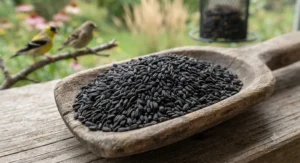
Armstrong Nyjer Bird Seed is a Canadian-processed, 100% genuine nyjer (thistle) product sold in 1.8 kg and larger bags through Canadian retailers and amazon.ca. Nyjer is imported and heat-sterilized to prevent it from germinating in your garden, then packed in barrier bags that are CO2-flushed to keep the oil content fresh — a detail that matters because nyjer turns rancid faster than most seed once it’s exposed to air. In practice, this means American goldfinches, purple finches, and common redpolls will show up in numbers that a blended mix simply can’t match, since they’re picking one favourite ingredient out of a crowd in a regular blend and getting frustrated by the rest. Reviewers and backyard birding forums consistently note that nyjer’s main selling point is what it doesn’t attract — squirrels and larger nuisance birds tend to leave it alone, which cuts down on both mess and midnight raids. The trade-off is specificity: this isn’t a seed for cardinals or jays, so a single-species household should pair it with something broader.
Pros:
- ✅ Squirrel- and nuisance-bird-resistant by nature
- ✅ CO2-flushed packaging preserves oil freshness
- ✅ Made and processed in Canada
Cons:
- ❌ Attracts a narrow band of finch species only
- ❌ Requires a specialized small-port tube feeder
At around C$15-C$60 depending on bag size, Armstrong Nyjer Bird Seed is a strong value if goldfinches are your target species, though it’s a poor fit as a sole feeder option for a mixed backyard.
2. Schoen Farms Black Oil Sunflower Seeds — best all-round single ingredient staple
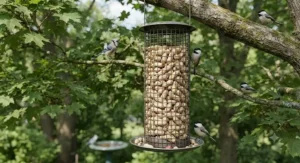
Schoen Farms Black Oil Sunflower Seeds are grown in Canada and sold in resealable 2.27 kg bags, positioning this as one of the more locally sourced single-ingredient options on the Canadian market. Black oil sunflower has a thinner shell than the striped variety, which matters practically: smaller-beaked birds like chickadees and pine siskins can crack it open, while the higher oil-to-shell ratio delivers more calories per seed than striped sunflower or mixed blends padded with corn. Based on the spec comparison with competing sunflower products, the thin-shell trait is the single biggest factor separating a genuinely popular seed from one birds pick around. Because it’s grown domestically rather than imported, delivery times and freshness tend to be more consistent than seed that’s crossed a border. What most buyers overlook here is that sunflower alone will draw in more species diversity than nyjer or millet on their own — cardinals, jays, nuthatches, and woodpeckers all take it readily.
Pros:
- ✅ Grown and packed in Canada
- ✅ Thin shell suits small and large birds alike
- ✅ Broadest species appeal of any single seed
Cons:
- ❌ Shell debris accumulates under feeders
- ❌ Squirrels and grackles are drawn to it too
Priced in the C$20-C$45 range for a 2.27 kg bag, Schoen Farms Black Oil Sunflower Seeds deliver strong value as the one seed to buy if you can only buy one.
3. Wagner’s Four Season 100% Black Oil Sunflower Seed — best bulk-format value buy
Wagner’s Four Season 100% Black Oil Sunflower Seed ships in bag sizes running from small starter bags up to 40 lb bulk formats, and the label backs up the “100%” claim with a genuinely single-ingredient product — no fillers, no corn, no cracked wheat hiding at the bottom. On paper this means the cost-per-feeding drops significantly as bag size increases, which is the whole appeal for anyone feeding multiple feeders across a larger property. The manufacturer’s own guidance notes that sunflower alone won’t deter blackbirds the way safflower does, so if grackles are already a problem in your yard, this isn’t the fix. What the spec sheet won’t tell you, but backyard birding communities note repeatedly, is that buying in the largest bag size you can store properly is where the real savings show up — smaller bags carry a meaningful per-kilogram premium. Storage matters too: sunflower’s oil content means it can turn if kept somewhere warm and humid, so a dry, elevated, sealed storage setup protects the investment.
Pros:
- ✅ Genuinely 100% single-ingredient, no fillers
- ✅ Bulk formats reduce cost per kilogram significantly
- ✅ Works in tray, hopper, or tube feeders
Cons:
- ❌ Does not deter blackbirds or grackles
- ❌ Large bags need proper dry storage to avoid spoilage
Expect to pay somewhere in the C$25-C$70 range depending on bag size, making Wagner’s Four Season 100% Black Oil Sunflower Seed the pick for anyone feeding a lot of birds on a tight per-kilogram budget.
4. Shafer Seed White Proso Millet — best single grain for ground-feeding birds
Shafer Seed White Proso Millet comes in a 50 lb bag positioned explicitly as a straight seed you can use alone or blend into other feeders. White proso millet is a genuinely different animal from the millet buried in cheap mixes: it’s a small, round, digestible grain that ground-feeding species — juncos, mourning doves, native sparrows, towhees — actually prefer over sunflower or nyjer. Here’s what to weigh: millet works best scattered on the ground or on a low platform feeder, not in a hanging tube feeder, because most millet-loving species aren’t comfortable clinging to a perch to eat. Buyers who dump millet into a standard tube feeder often conclude “the birds don’t like it,” when the real issue is feeder placement, not the seed. Reviewers researching bulk millet purchases commonly flag that a 50 lb bag represents genuine long-term value if you’re feeding a large property or supplementing squirrel-proof platform feeders through a Canadian winter.
Pros:
- ✅ Preferred single grain for ground-feeding species
- ✅ Bulk 50 lb format lowers long-term cost
- ✅ Digestible, low-mess compared to cracked corn
Cons:
- ❌ Poor fit for hanging tube feeders
- ❌ Less appealing to sunflower-preferring species like cardinals
At roughly C$15-C$55 depending on bag size, Shafer Seed White Proso Millet is one of the more budget-friendly single grain nutrition options on this list, provided you match it to the right feeder style.
5. Shafer Seed Safflower Seed — best for deterring squirrels and nuisance birds
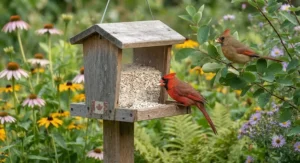
Shafer Seed Safflower Seed is sold in a 50 lb straight-seed bag and has built its reputation almost entirely on one trait: birds that squirrels avoid. Safflower’s bitter taste and tougher outer shell make it unappetizing to squirrels, grackles, and starlings, while cardinals, chickadees, titmice, and grosbeaks take to it readily. Based on the spec comparison against sunflower, safflower’s shell is noticeably harder to crack, which is exactly why it filters out the “feeder hogs” — smaller-beaked nuisance species simply can’t access it as efficiently. What most buyers overlook about this seed is that it takes time; birds accustomed to sunflower need a gradual transition period, ideally mixing safflower in with a familiar seed before switching over completely, or the feeder may sit untouched for a week or two. Reviewers and backyard forums frequently mention that patience during that transition period is the single biggest factor in whether safflower “works” for a given yard.
Pros:
- ✅ Genuinely deters squirrels and blackbirds
- ✅ Attracts cardinals and grosbeaks reliably
- ✅ Bulk 50 lb format suits multi-feeder yards
Cons:
- ❌ Requires a gradual transition period for birds to accept it
- ❌ Pricier per kilogram than sunflower or millet
Priced around C$25-C$75 for bulk bags, Shafer Seed Safflower Seed earns its premium price tag specifically in yards where squirrels have made feeding an expensive, frustrating hobby.
6. Schoen Farms Golden German Millet — best specialty millet for quail and doves
Schoen Farms Golden German Millet is another Canadian-grown option, sold in 1.36 kg bags and marketed specifically toward quail, doves, finches, and sparrows rather than the broader songbird crowd. German millet differs from white proso millet in colour and slightly in size, and it tends to appeal to a marginally different mix of ground-feeding species — worth knowing if your yard already gets plenty of proso millet visitors but you’re hoping to diversify further. The honest analytical take here is that this is a niche product: it’s not trying to be an all-purpose feeder seed, and buyers expecting cardinals or chickadees to show up for it will be disappointed. Where it earns its keep is in rural or semi-rural Canadian properties where ground-feeding game birds are already present in the surrounding habitat. Being Canadian-grown also means shorter supply chains and, generally, fresher seed by the time it reaches a bag on a shelf compared to imported millet varieties.
Pros:
- ✅ Canadian-grown with shorter supply chains
- ✅ Appeals specifically to quail, doves, and sparrows
- ✅ Smaller 1.36 kg format suits casual feeding
Cons:
- ❌ Narrow species appeal compared to sunflower
- ❌ Smaller bag size means a higher price per kilogram
At an estimated C$12-C$35 per bag, Schoen Farms Golden German Millet makes sense as a targeted addition rather than a primary feeding strategy.
7. Unida Alpiste Canary Seed — best plain canary grass seed for specialty diets
Unida Alpiste Canary Seed is a 100% pure, non-GMO, double-cleaned canary grass seed sold in smaller bags (around 5 lb), and it’s the most specialized product on this list. Alpiste — the Spanish-derived name widely used for canary grass seed — is the traditional single-ingredient staple for caged canaries, finches, budgies, and parakeets, and its appeal to wild birds is more limited than sunflower or millet. The double-cleaning process matters here more than marketing copy usually admits: raw canary grass seed can carry dust and chaff that irritate small birds’ respiratory systems, so a properly cleaned batch is a genuine quality marker, not just a label buzzword. On paper, this product suits two very different audiences — pet bird owners feeding caged canaries a pure seed diet, and backyard birders specifically trying to diversify beyond the usual sunflower-and-millet rotation. What the spec sheet won’t tell you is that alpiste has become popular in some human health circles for homemade “canary seed milk,” though that use case sits well outside what this bag is formulated or labelled for, and buyers should treat it strictly as bird food unless a product is explicitly marketed and certified for human consumption.
Pros:
- ✅ 100% pure, double-cleaned, non-GMO seed
- ✅ Traditional staple for caged canaries and finches
- ✅ Low dust, low mess compared to raw uncleaned seed
Cons:
- ❌ Limited appeal to most wild backyard species
- ❌ Smaller bag sizes mean a higher cost per kilogram
Running roughly C$10-C$35 per bag, Unida Alpiste Canary Seed is the right call specifically for households with pet canaries or finches, less so as a wild bird feeder staple.
Top 7 Products at a Glance
| Product | Type | Bag Size Range | Price Range (CAD) | Best For |
|---|---|---|---|---|
| Armstrong Nyjer Bird Seed | Nyjer/Thistle | 1.8 kg-3.63 kg | C$15-C$60 | Goldfinches |
| Schoen Farms Black Oil Sunflower Seeds | Sunflower | 2.27 kg | C$20-C$45 | All-round feeding |
| Wagner’s Four Season 100% Black Oil Sunflower Seed | Sunflower | Small-40 lb | C$25-C$70 | Bulk value |
| Shafer Seed White Proso Millet | Millet | 50 lb | C$15-C$55 | Ground feeders |
| Shafer Seed Safflower Seed | Safflower | 50 lb | C$25-C$75 | Squirrel deterrence |
| Schoen Farms Golden German Millet | Millet | 1.36 kg | C$12-C$35 | Quail & doves |
| Unida Alpiste Canary Seed | Canary grass seed | ~5 lb | C$10-C$35 | Caged canaries/finches |
Reading across this table, the pattern is that bag size and price scale almost linearly with how niche the seed is — the broadest-appeal products (sunflower) come in the biggest, most cost-efficient formats, while the specialty picks (canary seed, German millet) are sold smaller and cost more per kilogram. If you’re outfitting a single feeder for one target species, that premium is worth paying; if you’re trying to feed an entire yard economically, sunflower in bulk remains the anchor purchase every time.
Benefits vs. Traditional Blended Bird Seed
| Factor | Single Ingredient Seed | Blended/Mixed Seed |
|---|---|---|
| Waste at feeder | Minimal — birds eat all of it | High — unwanted grains discarded |
| Species targeting | Precise, predictable | Broad but unfocused |
| Cost per kilogram | Higher for specialty seeds | Lower upfront |
| Squirrel/pest issues | Manageable (e.g., safflower, nyjer) | Often worse (corn, milo attract pests) |
| Storage & freshness | Easier to monitor a single grain | Mixed grains spoil at different rates |
The upfront price on a bag of blended seed often looks cheaper, but that number is misleading once you account for the fraction that ends up on the ground uneaten. Reading this table alongside actual feeding behaviour, single-ingredient seed tends to win on cost-per-bird-fed even when the sticker price is higher, because almost none of it goes to waste. The one place blends still make sense is a first-time feeder in a yard where you genuinely don’t yet know which species are visiting.
A Practical Setup Guide for Single-Ingredient Feeding
Switching a feeder over to single-ingredient seed isn’t complicated, but a few early missteps trip up most beginners. Start with one feeder and one seed type rather than converting your whole setup overnight — birds need time to discover a new food source, and a sudden switch can look, from a chickadee’s perspective, like the food simply disappeared. Match the feeder to the seed: nyjer needs a small-port tube feeder, millet does best scattered on the ground or a low platform, and sunflower works in almost anything with a large enough opening. In the first thirty days, the most common mistake is impatience — assuming a quiet feeder means the seed choice failed, when it usually just means word hasn’t spread yet among the local flock. Clean the feeder every one to two weeks with hot soapy water, and more often during damp weather, since single-ingredient seed with higher oil content (like sunflower and nyjer) can mould faster than a drier blend once it gets wet. Store unopened bags somewhere cool, dry, and elevated off concrete floors, where moisture can wick upward into the seed even through sealed packaging.
Real-World Scenarios: Matching Seed to Your Backyard
Consider a downtown Toronto condo owner with a single balcony rail feeder and mostly urban house finches and sparrows visiting — white proso millet scattered on a small platform tray is the lower-cost, lower-mess starting point, since it matches what ground-feeding urban species already prefer. Compare that to a rural property in southern Manitoba surrounded by farmland, where quail and doves already frequent the property; Schoen Farms Golden German Millet paired with bulk Schoen Farms Black Oil Sunflower Seeds covers both the specialty ground-feeders and the broader songbird population without overspending on niche products the local birds won’t touch. A third scenario — a suburban backyard already fighting an aggressive squirrel population — points toward Shafer Seed Safflower Seed as the anchor purchase, even at its higher per-kilogram price, because the money saved on squirrel-raided seed usually outweighs the premium within a season or two.
What Is Single Ingredient Bird Seed?
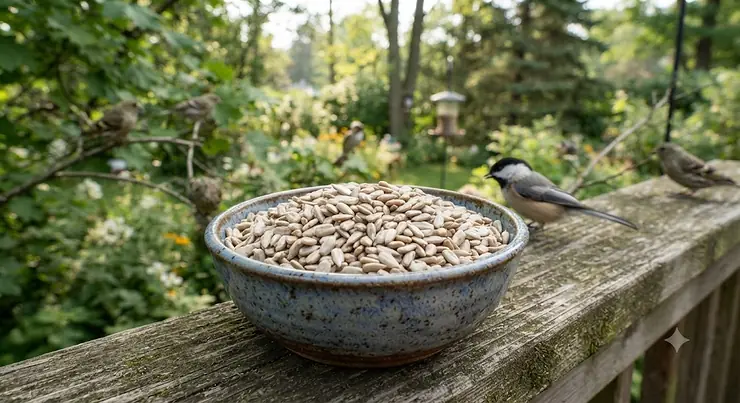
Single ingredient bird seed is birdseed made from exactly one grain or seed type — such as sunflower, nyjer, millet, or canary grass seed — with no fillers, dyes, or blended grains added. Because it’s uncontaminated by ingredients some species reject outright, it produces less feeder waste and more predictable, species-specific visitor patterns than a traditional multi-grain mix. According to the Canadian Wildlife Federation’s feeding guidance, matching seed type to the birds you’re actually trying to attract — rather than defaulting to a generic mix — is one of the most effective ways to reduce both waste and unwanted visitors at a feeder.
How to Choose Single Ingredient Bird Seed
- Identify your target species first. Goldfinches want nyjer; ground-feeding sparrows and doves want millet; cardinals and grosbeaks favour sunflower or safflower.
- Match the feeder style to the seed. A tube feeder wastes millet; a platform feeder wastes nyjer through the mesh.
- Check for a genuine “100%” or “straight seed” label. Marketing terms like “premium” don’t guarantee purity — read the ingredient list.
- Weigh bag size against feeding frequency. Bulk bags save money long-term but only if you can store them properly.
- Consider your pest situation. Safflower and nyjer are naturally less appealing to squirrels and blackbirds than sunflower or corn.
- Factor in freshness and sourcing. Domestically grown seed, like Canadian-grown sunflower and millet, tends to reach shelves fresher than imported stock.
- Budget for a transition period. Birds accustomed to a mixed blend may take one to two weeks to adopt a new single-ingredient feeder.
✨ Ready to Upgrade Your Feeder?
🔍 Compare the seven picks above against your yard’s regular visitors, and click through to check current availability and pricing before your feeder runs dry. A well-matched single ingredient bird seed can mean the difference between an empty feeder and a genuinely busy backyard.
Millet Seed for Birds: What Makes It a True Pure Seed Diet
Millet occupies an odd spot in the bird seed world — it’s simultaneously one of the most maligned ingredients (thanks to cheap mixes padding it in as filler) and, in its pure single-grain form, one of the most effective foods for an entire category of birds. The distinction is purity and placement. Millet seed for birds works best when it isn’t buried under sunflower and corn in a hopper feeder but instead offered as its own dedicated ground or platform option, precisely where juncos, native sparrows, and mourning doves naturally forage. Shafer Seed White Proso Millet and Schoen Farms Golden German Millet both illustrate this: sold as straight seed rather than filler, they let ground-feeding species get exactly what they want without competing for it against pickier, sunflower-hungry visitors at a hanging feeder. The nutritional case for millet holds up too — it’s a reasonably high-carbohydrate, easily digestible grain that suits smaller-bodied birds needing frequent, efficient feeding throughout short winter daylight hours.
Plain Canary Grass Seed: A Specialty Pure Seed Diet
Plain canary grass seed — sold under names like alpiste — sits at the far specialty end of the single-ingredient spectrum, and it’s worth treating as its own category rather than lumping it in with general wild bird seed. Unida Alpiste Canary Seed demonstrates the two main use cases: as a dedicated diet component for caged canaries, finches, and budgies, where pure, dust-free, non-GMO seed is genuinely important for the bird’s respiratory health, and as an occasional diversifying addition to an outdoor feeder rotation. What most buyers overlook is that “canary seed” doesn’t necessarily mean it’s formulated exclusively for canaries — most reputable products serve a broader range of small finch-family birds. The double-cleaning process is the detail worth checking on any label, since raw, uncleaned canary grass seed carries more chaff and dust than birds — caged or wild — benefit from breathing in daily.
Single Grain Nutrition vs. Blended Bird Seed
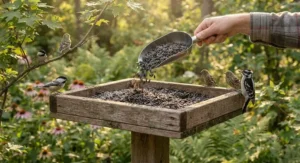
Single grain nutrition and blended bird seed solve different problems, and treating them as directly interchangeable is where a lot of buyers go wrong. A blend spreads a modest amount of several grains across a wide net of species, accepting that a meaningful fraction will be ignored and end up as waste on the ground. Single grain nutrition — one pure ingredient per bag — trades that broad-but-shallow approach for depth: every gram is formulated for the specific birds you’re targeting, and digestibility, oil content, and shell thickness can all be matched precisely to species needs rather than averaged across a dozen different visitors. The CBC has reported that experienced Canadian birders often recommend keeping it simple, noting that black oil sunflower seed and nyjer alone will draw in most of the species likely to visit a winter backyard — which is effectively an endorsement of the single-ingredient approach over complex blends. The practical takeaway: if you’re feeding a genuinely diverse yard, two or three single-ingredient feeders side by side usually outperform one all-in-one blend, both in species variety and in reduced waste.
Common Mistakes When Buying Single Ingredient Bird Seed
The most frequent error is buying based on the bird pictured on the bag rather than the actual ingredient list — a bag showing a cardinal doesn’t guarantee cardinal-preferred seed inside. A second common mistake is mismatching feeder style to seed type, which makes a perfectly good single-ingredient product look like a failure when the real issue is presentation. Buyers also tend to underestimate storage requirements; oil-rich seeds like sunflower and nyjer degrade faster in humid garages or sheds than drier grains like millet, and mould risk climbs quickly once moisture gets in. Another overlooked issue is expecting an immediate response — switching an established feeder to a new single ingredient can take one to three weeks before local birds fully adopt it, and giving up too early wastes both the seed and the experiment. Finally, some buyers assume “single ingredient” automatically means “premium” and skip comparing price per kilogram across bag sizes, missing out on real savings available in bulk formats like the 50 lb options from Shafer Seed.
What to Expect: Real-World Performance
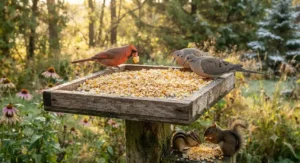
Specs on a bag only tell part of the story — here’s what actually happens once seed hits a feeder. Sunflower, whether from Schoen Farms Black Oil Sunflower Seeds or Wagner’s Four Season 100% Black Oil Sunflower Seed, typically shows visible activity within days, since it’s the most broadly preferred seed among common backyard species. Nyjer from Armstrong Nyjer Bird Seed tends to be slower to catch on — often a week or two — because it requires goldfinches and siskins specifically to discover the feeder, but once they do, visits become remarkably consistent through the colder months. Millet performance depends heavily on placement: scattered on the ground or a platform, Shafer Seed White Proso Millet draws steady traffic from juncos and sparrows almost immediately, while the same seed sitting untouched in a tube feeder simply isn’t reaching the birds that want it. Safflower from Shafer Seed Safflower Seed is the slowest starter of the group, often taking two to three weeks for cardinals to fully adopt it, but it’s also the seed most likely to produce a noticeably squirrel-free feeder once that transition period passes.
Long-Term Cost & Maintenance
Total cost of ownership for single ingredient bird seed depends less on the sticker price and more on waste rates and bag size efficiency. A bulk 40 lb or 50 lb bag of sunflower or millet, like those from Wagner’s Four Season 100% Black Oil Sunflower Seed or Shafer Seed White Proso Millet, typically brings the per-kilogram cost down by a meaningful margin compared to smaller 5-10 lb bags, provided you have dry, pest-proof storage to actually use that volume before it degrades. Specialty seeds — Unida Alpiste Canary Seed and Schoen Farms Golden German Millet — cost more per kilogram by design, since their smaller production runs and narrower buyer base don’t benefit from the same bulk-purchasing economics as sunflower. Maintenance costs matter too: feeders holding oil-rich seed need more frequent cleaning to prevent mould, which is a real ongoing cost in time even if it doesn’t show up on a receipt. Factoring in reduced waste, most Canadian backyard birders find that single-ingredient seed reaches cost parity with cheap blends within one or two feeding seasons, purely because so little of it ends up discarded.
Storage, Safety & Feeder Hygiene
Beyond picking the right seed, how you store and maintain it affects both bird health and your own investment. Keep unopened bags elevated off concrete floors in a cool, dry space with good air circulation — moisture transferred from a cement floor is a common, avoidable cause of mould in stored seed. Feeders themselves need regular attention: Nature Canada recommends monitoring for signs of disease at shared feeding stations and staying aware of regional outbreak alerts, since crowded feeders can become a transmission point for illnesses like conjunctivitis or salmonella regardless of how clean the seed itself is. During periods of heightened avian flu concern, some Canadian health authorities have also advised temporarily removing feeders altogether; the CBC has reported that experts remain split on backyard feeding risk during active outbreaks, with some recommending regular cleaning as sufficient precaution and others urging temporary removal in high-risk regions. Checking regional wildlife health advisories before peak winter feeding season is a reasonable habit regardless of which single-ingredient seed you choose.
Frequently Asked Questions
❓ Is single ingredient bird seed better than mixed blends?
❓ What single ingredient seed attracts the most birds overall?
❓ Can I feed birds pure canary grass seed year-round?
❓ Does millet seed for birds go bad quickly?
❓ Will safflower seed really keep squirrels away?
Conclusion
The through-line across all seven products here is that “single ingredient” isn’t a marketing gimmick — it’s a genuinely different feeding philosophy from the blended bags most of us grew up scattering in the yard. Whether that means straight nyjer for a goldfinch-heavy feeder, bulk sunflower as your all-purpose anchor, or specialty canary grass seed for a caged bird’s pure seed diet, matching the ingredient to the actual bird in front of you consistently beats a one-size-fits-all mix. The Canadian-grown options on this list — Schoen Farms Black Oil Sunflower Seeds and Schoen Farms Golden German Millet — carry the added benefit of shorter supply chains and generally fresher seed by the time it reaches your feeder. Start with one seed type matched to your yard’s regulars, give it a couple of weeks to catch on, and resist the urge to judge it before the local flock has had time to notice.
Disclaimer: This article contains affiliate links. As an Amazon Associate, I earn from qualifying purchases. If you purchase products through these links, we may earn a small commission at no additional cost to you.
Recommended for You
- Metal Bird Bath: 7 Rust-Resistant Picks for Canadian Yards (2026)
- Concrete Bird Bath 2026: 7 Best Picks Canadians Actually Love
- Ceramic Bird Bath 2026: 7 Best Picks That Actually Last
✨ Found this helpful? Share it with your friends! 💬🤗
