
In This Article
Scroll through finch food Amazon.ca listings at midnight and you hit the same wall. Dozens of bags, all promising “complete nutrition,” all wearing the same cheerful bird on the front. Choosing the best finch food shouldn’t take a degree in ornithology. It does take a little healthy suspicion.
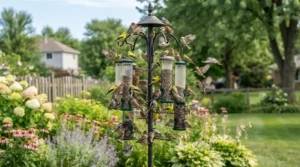
Here’s the twist most shoppers miss. “Finch food” means two different things in Canada. One is the seed mix you pour into a dish for zebra finches, society finches and Gouldians in a cage or aviary. The other is the nyjer-and-chips blend you hang outdoors for goldfinches, pine siskins and redpolls. The bags look alike. They are not interchangeable, and several backyard blends are labelled for wild birds only.
The nutrition stakes are real. Veterinary guidance from VCA Canada says seed should be only a small part of a pet finch’s diet, with the bulk coming from pellets, plus roughly 20% fresh greens, vegetables and fruit. Many avicultural sources still treat a quality seed mix as the staple, so you’ll see the debate play out below. I’ve compared ingredient lists, guaranteed analyses and retailer review patterns for seven real products, so you can see where each one fits.
Quick housekeeping: prices below are ranges in Canadian dollars, and they shift constantly. Check current prices before you buy.
Quick Comparison: Best Finch Food at a Glance
| Product | Type | Standout | Price Range (CAD) | Best For |
|---|---|---|---|---|
| Hagen Finch Staple VME Seed | Pet seed mix | Dust-free, Canadian brand | C$15–C$25 | Beginners wanting a staple |
| Vitakraft Menu Canary & Finch Food | Pet seed-and-pellet blend | Variety and enrichment | C$12–C$20 | Picky eaters |
| Volkman Avian Science Super Finch | Pet seed mix | Preservative-free, nyjer included | C$20–C$30 | Health-focused keepers |
| Zoo-Max Economax Finch | Pet seed mix | Pairs with pellets | C$10–C$20 | Pellet-transition plans |
| Higgins Vita Seed Finch | Pet seed mix | Bulk bag sizes | C$12–C$20 (2 lb) | Larger aviaries |
| Kaytee Wild Finch Blend | Wild-bird blend | Affordable all-season mix | Under C$30 | Backyard feeders |
| Kaytee Ultra Wild Finch Blend | Wild-bird blend | 33% minimum fat | C$25–C$40 | Winter feeding |
Looking at the table, the pet-bird mixes cluster in a tight price band, so the choice comes down to ingredients and how well each bag suits your routine. The two Kaytee blends sit in a separate lane entirely. They’re built for outdoor feeders and shouldn’t be poured into a cage. If you’re on a tight budget, Zoo-Max Economax Finch and Higgins Vita Seed Finch are the easiest on the wallet, while Volkman Avian Science Super Finch asks a premium for its cleaner formulation.
💬 Just one click — help others make better buying decisions too!😊
Top 7 Best Finch Food Picks: Expert Analysis
Each pick below gets the same treatment: what’s in the bag, what it means for a real bird, and who should skip it. Review notes reflect what I could verify in retailer listings, and I flag where the pool is thin.
1. Hagen Finch Staple VME Seed — dust-free staple from a Canadian brand
Montreal-based Hagen built this as a daily base diet, and the ingredient list backs that up: golden, Siberian, red and white millets, canary grass seed, canola, millet kernel and a little niger, topped with added vitamins and minerals.
The seed is air-cleaned and polished, which matters more than it sounds. Dust-free seed means fewer husks to sift and less grit floating around a small room. It also makes damp or mouldy patches easier to spot. The vitamin and mineral fortification is the spec-sheet answer to the classic seed-only gap, though it doesn’t replace fresh greens.
Based on the ingredient list, this is a sensible foundation for zebra finches, society finches and similar species. Canola is the ingredient to watch, since some keepers report finches leave whole canola behind, so expect a few discards. I couldn’t verify a meaningful pool of finch-specific reviews for this exact bag, so read current buyer feedback before committing.
Pros:
- ✅ Air-cleaned, polished, low-dust seed
- ✅ Vitamin and mineral fortification
- ✅ Familiar millet-and-canary base
Cons:
- ❌ Canola may get left in the dish
- ❌ Few verifiable finch-specific reviews
Price: around C$15–C$25 for the 1.36 kg bag. Solid value for a dependable staple.

2. Vitakraft Menu Canary & Finch Food — seed-and-pellet variety in one bag
Vitakraft’s “Care Complex” formula goes beyond plain seed. It combines seeds, nuts, grains, vegetables, fruits and formulated pellets, all fortified with vitamins and minerals.
That mix is the whole point. Finches are selective eaters, and veterinary sources note they often pick just one or two favourite seeds from a blend. Pellets scattered through the mix give you a gentle, low-stress way to introduce formulated nutrition without a full diet overhaul. The enrichment angle also helps, since digging through varied textures keeps bored birds busy.
On paper, this suits keepers working toward the pellet-forward diet vets recommend but facing a flock that refuses a hard switch. The trade-off is that fruit and vegetable pieces in a dry mix don’t replace genuinely fresh produce. The review pool I could verify is small: one retailer listing shows a 4.7 average across six reviews, and a Chewy reviewer said it was easy on the birds’ tender feet. That’s encouraging, but it’s a thin sample.
Pros:
- ✅ Seeds, grains and pellets in one mix
- ✅ Fortified with vitamins and minerals
- ✅ Encourages natural foraging behaviour
Cons:
- ❌ Birds may pick out favourites
- ❌ Dried extras don’t replace fresh greens
Price: around C$12–C$20 for the 2.5 lb (1.1 kg) bag. Good value as a bridge diet.
3. Volkman Avian Science Super Finch — preservative-free premium seed
Volkman positions this as an all-natural, nutritionally balanced blend, free of chemical preservatives and artificial flavours, with vitamins and minerals bound to the grains.
The guaranteed analysis lists crude protein at 12.5% minimum, crude fat at 6.25% minimum and fibre at 7.25% maximum. In practice that’s a moderate, maintenance-style profile. It’s not a breeding-condition rocket fuel, which is exactly what a resting adult finch needs. The nyjer in the mix adds oil that supports feather condition, and retailer text describes the blend as clean with little waste.
Who is it for? Keepers who read labels and are willing to pay more for a cleaner ingredient story. The caveat is evidence: I couldn’t verify a large finch-specific review pool. The wider Volkman range scores well on retailer listings (the parakeet blend sits near 4.8 stars on a small number of reviews), but that’s a different product. Feeding guidance on one listing suggests roughly one tablespoon daily for small birds, so a 1.8 kg bag lasts a long time for a small flock.
Pros:
- ✅ No chemical preservatives or artificial flavours
- ✅ Nyjer included for feather condition
- ✅ Clean seed with minimal waste
Cons:
- ❌ Premium price per kilogram
- ❌ Few finch-specific reviews to verify
Price: around C$20–C$30 for the 4 lb (1.81 kg) bag. Worth it if ingredient quality is your priority.
4. Zoo-Max Economax Finch — budget-friendly mix built to pair with pellets
Economax lists white millet, red millet, canary seed, Siberian millet, oat groats, flax and niger, plus an omega-3 and omega-6 supplement.
The interesting design choice is the strategy behind it. The maker says its pellets should form the base of the diet, with this seed mix as the complement. That mirrors current avian-vet thinking better than most seed-only marketing does. The ingredient list is short and recognisable: no dyed bits, no mystery fillers, just the core finch grasses and oily seeds.
Honest caveat: claims like “trusted by avian veterinarians and breeders” are marketing copy, and I couldn’t verify independent reviews. Treat it as a well-composed, no-frills mix rather than a proven champion. It makes the most sense if you already feed (or plan to feed) pellets and want a simple seed component alongside them.
Pros:
- ✅ Short, recognisable ingredient list
- ✅ Omega-3 and omega-6 supplementation
- ✅ Designed to complement a pellet base
Cons:
- ❌ Small 907 g bag size
- ❌ Vet-trust claims aren’t independently verifiable
Price: around C$10–C$20 for 907 g. Good value if you’re building a pellet-plus-seed routine.
5. Higgins Vita Seed Finch — bulk-friendly for larger aviaries
Higgins sells this line in sizes from small bags up to 25 lb, and that range is its strongest card.
For an aviary with a dozen or more birds, bag size changes the economics. A 25 lb sack costs far less per kilogram than repeated small bags, provided you can store it cool and dry and finish it while it’s fresh. One retailer listing for the Vita finch line shows 13% protein minimum, 7% fat minimum, 8% fibre maximum and 10% moisture maximum, a sensible maintenance profile.
Review sentiment is mixed but informative. One Chewy reviewer said their birds were tossing most seed from other top brands but eating all of this mix. Another complained that a bag arrived open and spilled in the box. A 25 lb listing on another retailer sits at 3.7 stars on just three reviews. So: promising palatability, some packaging complaints, tiny sample sizes. Inspect the bag on arrival.
Pros:
- ✅ Large bag sizes for bigger flocks
- ✅ Some buyers report less seed tossing
- ✅ Moderate, maintenance-friendly nutrition profile
Cons:
- ❌ Packaging complaints in some reviews
- ❌ Bulk bags need careful storage
Price: around C$12–C$20 for 2 lb, with better per-kilogram value in larger bags. Best for flock-sized budgets.
6. Kaytee Wild Finch Blend — affordable all-season mix for backyard feeders
This one is for the garden, not the cage. Kaytee’s label states it’s intended for feeding wild birds only.
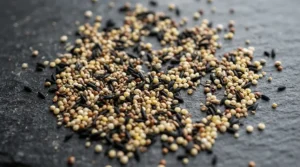
The recipe combines niger, canary grass seed, white, finch and red millet, hulled sunflower chips and flax, with calcium carbonate. The guaranteed analysis lists 14.5% protein minimum, 15% fat minimum and 13% fibre maximum. Translation: a balanced, year-round energy source that’s cheaper than high-fat winter blends. Kaytee suggests cloth mesh feeders, a finch station or a small-to-medium tube feeder, all designs that favour small beaks over bullies like starlings.
It attracts goldfinches, siskins, purple finches and redpolls. I couldn’t verify a finch-blend review pool for this specific bag; Kaytee’s separate nyjer product scores around 4.8 stars on a small number of reviews, but that’s not the same product. If you want a budget backyard staple, this is the sensible default.
Pros:
- ✅ Balanced year-round formula
- ✅ Sized for small-beaked birds
- ✅ Easy on the wallet
Cons:
- ❌ Wild birds only, never for caged finches
- ❌ Millet content favours ground feeders
Price: under C$30 even for the 8 lb bag. A dependable everyday pick.
7. Kaytee Ultra Wild Finch Blend — high-fat winter fuel for goldfinches and redpolls
If the standard blend is a daily commute, this is the espresso shot. Only four ingredients: niger, red millet, hulled sunflower chips and peanut hearts.
The numbers are dramatic. The label lists 19% protein minimum and 33% fat minimum, versus 15% fat in the standard blend. Kaytee says it contains three times the nyjer of its regular finch blend. Cold-weather fat matters, because small birds burn through reserves quickly on frigid Canadian nights.
Kaytee also claims the blend was preferred three out of four times over nyjer alone in its own field testing. That’s a manufacturer claim, not independent research, so weigh it accordingly. Like the other Kaytee blend, this one is labelled for wild birds only, so keep it out of your aviary. Peanut hearts may also attract the occasional unwanted visitor, so pair it with a finch-specific feeder.
Pros:
- ✅ Very high fat for cold-weather energy
- ✅ Short, filler-free ingredient list
- ✅ Draws multiple finch species
Cons:
- ❌ Costs more than standard blends
- ❌ Preference claim is manufacturer-reported
Price: around C$25–C$40 range. Worth the premium for winter feeding.
What Is the Best Finch Food?
The best finch food is a species-appropriate, fresh, low-dust diet built around quality seeds like millet, canary grass seed and nyjer. For pet finches, vets favour pellets as the main base plus fresh greens, with seed as a supplement. For wild finches, a nyjer or sunflower-chip blend works best.
Notice the two audiences hiding inside that definition. The best finch food for a caged zebra finch is a different bag from the best finch food for a goldfinch outside your kitchen window. Your finch diet for aviaries needs formulated nutrition and fresh produce, while backyard birds are foraging for energy and supplementing a wild diet. Mix up the two and you’ll either underfeed your pets or waste money on the wrong thing. Quality still matters in both cases: fresh, clean, well-stored seed beats a fancy label every time.
How to Choose the Best Finch Food
Follow these seven steps and you’ll narrow forty options to two or three.
- Decide pet or wild first. Wild-bird blends are labelled for outdoor feeding only. Pet mixes are formulated for captive birds.
- Read the first five ingredients. Millets, canary grass seed and niger should lead. Avoid mixes padded with large, cheap fillers your finches won’t eat.
- Check the guaranteed analysis. Moderate fat and protein suit resting adults. Higher fat suits winter or breeding.
- Look for dust-free processing. Cleaner seed means less mess and easier spoilage detection.
- Match bag size to flock size. Stale seed is a hidden cost, so buy what you’ll finish within a few months.
- Plan for variety. Birds pick favourites, so pairing a staple with pellets and greens beats a “complete” mix alone.
- Verify freshness. Check the best-before date and inspect the bag on arrival.
Finch Seed Mix Brands Compared: Pet Mixes vs Wild Blends
When shoppers search for finch seed mix brands, they usually want one ranked list. The better question is which lane you’re in. Pet brands like Hagen Finch Staple VME Seed, Volkman Avian Science Super Finch and Higgins Vita Seed Finch are formulated for daily captive nutrition. Wild-bird brands like Kaytee Wild Finch Blend and Kaytee Ultra Wild Finch Blend are formulated to attract and fuel outdoor birds.
One more tip when comparing finch seed mix brands: ignore the front-of-bag artwork and read the ingredient panel. Two bags that look identical can differ enormously in millet type, oil seed content and added fortification. Brands also differ in how transparent they are, and a short, specific ingredient list generally signals a more honest product than a vague “seed blend.”
Finch Diet for Aviaries: Building a Balanced Menu
A proper finch diet for aviaries is a layered system, not a single bag. Think of the seed mix as the foundation and everything else as the walls and roof.
Layer one: the staple. An avicultural reference suggests finch mixes should contain at least 10% each of canary seed, large white proso millet and large red proso millet, ideally 15%. Check your bag against that benchmark.
Layer two: formulated nutrition. VCA Canada notes that converting seed-eating birds to a formulated diet isn’t always easy, as birds may not initially recognise pellets as food. Go gradually, mixing pellets into the seed over weeks.
Layer three: fresh food. Vets suggest greens, vegetables and fruit make up roughly 20% of the daily diet. Skip watery pale vegetables like iceberg lettuce, which offer little nutrition.
Layer four: extras. A cuttlebone or mineral block adds calcium, and outdoor flights get a bonus from naturally visiting insects. Honey sticks are tasty but high in fat, so keep them as occasional treats.
Seed Variety: What Each Seed Actually Does
Seed variety isn’t a marketing flourish. Each seed plays a different role.
- Millet is the crowd-pleaser, but it’s low in nutrition. One veterinary source suggests capping it at around 10% of the total diet, including millet sprays.
- Canary grass seed is a lean, reliable staple that finches readily eat.
- Nyjer (niger) is oil-rich and supports feather condition. It’s grown mainly in Africa and India, and it’s the star of backyard finch feeders.
- Sunflower hearts and chips deliver fat and protein with no hulls to mess up the feeder.
- Flax and oat groats add fats and fibre in small amounts.
The key insight: finches won’t eat every seed equally. When offered a mixture, they tend to pick one or two favourites. Good seed variety only helps if the less-favoured seeds still get eaten, so watch what’s left in the dish. One practical rule from aviary keepers: when the balance is right, some seed remains in the trays after feeding. Seed should be as fresh as possible, ideally under a year old.
Flock Feeding Stations: A Practical Setup Guide
Well-designed flock feeding stations solve three problems at once: competition, mess and disease. Here’s how to set them up, outdoors first.
Choose the right hardware. Finches are among the few birds that comfortably feed upside down, which makes mesh “sock” feeders and small-port tube feeders ideal. These designs also discourage larger birds from muscling in. A nyjer feeder with six ports, for example, works for roughly six birds at once, so size up if your flock is bigger.
Place with cover. Hang feeders near shrubs or trees so birds can bolt for safety when a hawk passes. Add a shallow water source, since running water is easier to notice.
Clean religiously. House finch eye disease (mycoplasmal conjunctivitis) is tracked through Project FeederWatch, run jointly by Birds Canada and the Cornell Lab. Clean feeders regularly with hot soapy water and a long brush, and take feeders down if you spot sick birds.
Indoors and aviaries. Use several dishes spread around the enclosure rather than one central bowl. Place them at different heights, and keep water and seed away from perches, so droppings don’t contaminate either. Wash dishes daily.
Fresh seed only. Discard old seed before refilling, rather than topping up on top of stale layers.
Social Feeding Behaviour: What Flocks Teach You About Food
Finches are flock birds, and social feeding behaviour shapes how much each bird actually eats. In a group, individuals watch each other, copy each other and compete. That cuts both ways.
Positive effects first. A confident eater can draw nervous birds to a new food, which helps when introducing pellets or greens. Seed left in trays is also a useful signal: a bird scrabbling through husks and litter is still looking for food, meaning the dish is empty of what it wants.
The downside is dominance. A pushy bird can guard a single bowl and starve the shy ones. This is basic husbandry logic rather than a quirk of any specific brand: multiple feeding points reduce conflict. Outdoors, the pattern shifts with the season. Pre-migration and winter flocks swell, so you may need to increase supply as numbers climb.
Watch the behaviour, not just the bag. If one bird constantly chases others off, or a quiet bird looks thin, add stations before you change foods. The best finch food in the world fails if only the boss bird gets to eat it.
Finch Food Amazon.ca: What to Check Before You Click
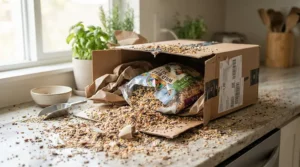
Shopping for finch food Amazon.ca is convenient, but listings change constantly. Availability, pack sizes and sellers vary, so treat any specific bag as “check current price and stock.”
Practical checks:
- Match the product to the purpose. Make sure a “finch blend” isn’t labelled for wild birds if you’re feeding a cage.
- Verify weight units. Listings may show pounds, kilograms or grams. Compare per-kilogram value rather than bag price.
- Check the seller and best-before date. Stale seed loses nutritional value, so look for recent stock and read the most recent reviews.
- Read the ingredient panel, not the headline.
A note on label trust: according to the Canadian Food Inspection Agency, federal oversight of pet food is limited to import and export compliance, and pet food isn’t as comprehensively regulated as human food or livestock feed. In plain terms, you are the quality inspector. Read the guaranteed analysis and ingredients carefully.
✨ Don’t Miss These Exclusive Deals!
🔍 Take your finch feeding to the next level with these carefully selected products. Click on any highlighted item to check current pricing and availability. These picks will help you build a healthy, thriving flock you’ll love watching!
Seed Mix vs Pellets vs Fresh Foods
Which format wins? It depends on what you’re optimizing for.
| Format | Nutrition Consistency | Palatability | Mess | Best For |
|---|---|---|---|---|
| Seed mix (e.g., Hagen Finch Staple VME Seed) | Variable, birds pick favourites | High | Higher | Beginners and picky eaters |
| Pellets / pellet-seed blends (e.g., Vitakraft Menu Canary & Finch Food) | More consistent | Lower initially | Lower | Vet-recommended long-term base |
| Fresh greens and veg | High vitamins, short shelf life | Variable | Moderate | Daily supplement, about 20% of diet |
Pellets win on nutritional consistency because every bite contains the same balance, while seed lets birds cherry-pick. Seed wins on acceptance, since finches recognise it immediately. The honest takeaway: most keepers do best with a blend of approaches. Use pellets for consistency, seed for foraging interest and fresh produce for vitamins. Converting a finch from seed to pellets takes patience, and some birds never fully switch, which is where hybrid products like Vitakraft Menu Canary & Finch Food earn their keep.
Real-World Scenarios: Which Best Finch Food Fits Your Setup
Scenario 1: A first pair of zebra finches in a cage, tight budget. Start with Zoo-Max Economax Finch or Hagen Finch Staple VME Seed as the seed staple. Add daily greens, and introduce pellets gradually. Expect to spend modestly each month, and clean the dish daily.
Scenario 2: A 15-bird backyard aviary. Buy Higgins Vita Seed Finch in a larger bag for cost efficiency, and store it in a sealed, cool container. Add multiple dishes at different heights to handle flock dynamics. Rotate fresh produce daily.
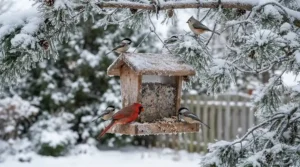
Scenario 3: A Canadian backyard in January. Hang a mesh feeder with Kaytee Ultra Wild Finch Blend for cold-weather fat, and keep Kaytee Wild Finch Blend for the shoulder seasons. Clean feeders regularly, and keep them near shrubs for cover.
Scenario 4: A picky eater refusing everything new. Try Vitakraft Menu Canary & Finch Food, which blends familiar seed with pellets. Offer it alongside the old mix, shifting ratios slowly.
Problem → Solution Guide for Common Finch Feeding Issues
Problem: Seeds scattered everywhere. Finches toss unwanted seeds while hunting favourites. Solution: choose a dust-free mix, serve smaller portions, and use hooded dishes.
Problem: Birds ignore pellets. Solution: mix pellets into the usual seed slowly over weeks, as VCA Canada suggests. Don’t remove the old food suddenly.
Problem: One bossy bird monopolizing food. Solution: add feeding stations rather than switching products.
Problem: Damp, clumpy seed. Solution: discard it, wash the dish thoroughly and store seed in sealed containers in a cool, dry place.
Problem: Larger birds raiding the finch feeder. Solution: use sock or small-port feeders designed for finch beaks, and keep seed mixes without large chunks.
Problem: Wild finches ignoring your new feeder. Solution: give it time, place it near cover, and start with niger or a finch-specific blend.
Long-Term Cost & Maintenance
The sticker price of a bag is the wrong measure. What matters is cost per month of healthy feeding, plus waste.
| Tier | Typical Pick | Bag Cost Range (CAD) | Value Note | Best For |
|---|---|---|---|---|
| Budget | Zoo-Max Economax Finch, Kaytee Wild Finch Blend | C$10–C$30 | Low entry cost | Tight budgets |
| Mid-range | Hagen Finch Staple VME Seed, Vitakraft Menu Canary & Finch Food, Higgins Vita Seed Finch | C$12–C$25 | Balanced price and quality | Most households |
| Premium | Volkman Avian Science Super Finch, Kaytee Ultra Wild Finch Blend | C$20–C$40 | Cleaner or higher-energy formulas | Ingredient-focused keepers |
The analysis: premium bags cost more upfront but may reduce waste if your birds actually eat everything. Bulk bags lower per-kilogram cost but only pay off if you finish them while fresh. Maintenance is the hidden expense: dish washing, feeder cleaning, fresh produce and replacement seed when a bag goes stale. For a deeper look at the science, see this peer-reviewed overview of nutrition in passerines from the MSD Veterinary Manual, and talk with your avian vet about your specific birds.
FAQ
❓ How much seed should I give each finch daily?
❓ Can I feed wild finch seed to my pet finches?
❓ Does nyjer seed belong in a pet finch's diet?
❓ How should I store finch food to keep it fresh?
❓ Is it safe to buy finch food on Amazon.ca?
Conclusion
Picking the best finch food comes down to knowing which lane you’re in. For pet birds, a clean staple like Hagen Finch Staple VME Seed or Volkman Avian Science Super Finch, paired with pellets, fresh greens and good flock-feeding habits, covers the bases. For hard-to-please eaters, Vitakraft Menu Canary & Finch Food is a smart bridge, and Zoo-Max Economax Finch and Higgins Vita Seed Finch keep costs under control. For the backyard, Kaytee Wild Finch Blend handles everyday feeding while Kaytee Ultra Wild Finch Blend delivers winter fuel.
Remember the bigger picture: the bag is just one ingredient. Fresh food, clean dishes, multiple stations and attention to how your birds behave will do more for health than any label. Start with one product, watch what your flock actually eats, and adjust from there.
✨ Ready to upgrade your flock’s menu?
🔍 Click through to check current pricing and availability on your favourite pick, and give your finches the variety they deserve! 🐦
Recommended for You
- Best Canary Food: 7 Proven Picks For Canadian Birds (2026)
- Canary Seed Mix Vs Pellets: 7 Best Foods Ranked (2026)
- Bulk Finch And Canary Food Value Pack: 7 Best Picks (2026)
Disclaimer: This article contains affiliate links. As an Amazon Associate, I earn from qualifying purchases. If you purchase products through these links, we may earn a small commission at no additional cost to you.
✨ Found this helpful? Share it with your friends! 💬🤗
