
In This Article
Tiny birds, surprisingly big grocery bills. If you keep a pair of zebra finches, a singing canary, or a mixed little flock, you already know the rhythm: a small bag here, another one there, and suddenly the seed budget is nibbling at your wallet as eagerly as your birds nibble at millet. A bulk finch and canary food value pack is the obvious fix. But “bigger bag” is not automatically “better deal.”
Here’s the catch most shoppers discover too late. Seed is a perishable. A 11 kg (25 lb) bag of seed that goes stale at month five is not a bargain; it’s a very large mistake. So this guide treats the bulk finch and canary food value pack as a system rather than a single purchase: the right food, the right bag size, the right storage, and, if it suits you, the right delivery schedule.
I researched seven real products across budget, mid-range and premium tiers, from a 9.1 kg (20 lb) canary mix to a pellet-style crumble. I read what manufacturers say, what the guaranteed analyses actually show, and what buyers report in their reviews. You’ll also get the savings math, the shelf-life reality check, and a storage plan built for Canadian winters and humid summers.
One note on prices: everything below is a range in Canadian dollars, never an exact figure, because listings change constantly. Check current prices before you buy. 🐤
Quick Comparison: 7 Bulk-Friendly Finch and Canary Foods at a Glance
Before the deep dives, here’s the whole field on one screen. Sizes reflect the formats I researched; availability and pack sizes on Amazon.ca can differ, so confirm on the listing.
| Product | Size researched | Price range (CAD) | Style | Best For |
|---|---|---|---|---|
| Kaytee Supreme Finch Food | 11.3 kg (25 lb) | C$50–C$90 | Fortified seed blend | Big aviaries, lowest cost per kg |
| Hagen Gourmet Seed Mix for Canaries | 9.1 kg (20 lb) | C$60–C$100 | Seed, fruit and legume mix | Canary owners wanting variety |
| Royal Feeds Canadian Canary Seed | 2.3 kg (5 lb) | C$10–C$20 | Plain canary seed | Blending your own mix |
| Vitakraft Menu Canary & Finch Food | 1.1 kg (2.5 lb) | C$14–C$22 | Seed, fruit and pellet blend | Foraging enrichment |
| Higgins Vita Seed Finch | 0.9 kg (2 lb) | C$13–C$22 | Seed with extruded morsels | Picky, fussy finches |
| Kaytee Forti-Diet Pro Health Canary & Finch Food | 0.9 kg (2 lb) | C$12–C$20 | Seed with probiotics and omega-3 | Digestive and feather support |
| Vetafarm Finch & Budgie Crumbles | Varies | C$15–C$30 | Crumble (pellet-style) | Moving toward a formulated diet |
Reading across the table, Kaytee Supreme Finch Food and the Hagen Gourmet Seed Mix for Canaries are the only two that really behave like a bulk finch and canary food value pack out of the box. The others are best treated as add-ons: a premium top-up, a plain-seed base, or a diet upgrade. If your flock is small, the Royal Feeds Canadian Canary Seed plus one premium blend is a surprisingly efficient combination.
💬 Just one click — help others make better buying decisions too!😊
Top 7 Picks for a Bulk Finch and Canary Food Value Pack: Expert Analysis
1. Kaytee Supreme Finch Food — lowest cost per kilogram in bulk
The headline here is scale. The 11.3 kg (25 lb) format spreads the cost thin, which is exactly what a larger flock or a breeding season demands.
The guaranteed analysis lists a minimum of 12% crude protein, a minimum of 4% crude fat, a maximum of 10% fibre and a maximum of 12% moisture. In practice, that’s a lean, maintenance-style seed profile rather than a rich one. The ingredient list leads with canary grass seed and several millets, then adds oat groats, flax and a vitamin and mineral package, with propionic acid as a mould inhibitor. That preservative matters in a big bag you’ll be dipping into for months.
Based on the spec sheet, this suits keepers who want a dependable staple and plan to supplement with fresh greens, sprouted seed or egg food. Reviewers of Kaytee’s finch lines generally describe birds eating them happily, though I couldn’t verify a large body of reviews for this exact bulk size, so treat that as directional.
Pros:
- ✅ Strongest cost-per-kilogram of the seven
- ✅ Fortified with vitamins and a mould inhibitor
- ✅ Simple, finch-sized seed profile
Cons:
- ❌ 11.3 kg bag demands real storage space
- ❌ Lean fat level may under-serve breeders
Expect a range of roughly C$50–C$90; the value verdict is excellent if you can store it properly.
2. Hagen Gourmet Seed Mix for Canaries — variety-rich mix with a true bulk format
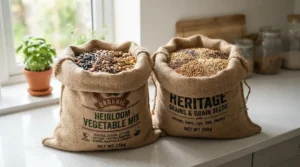
This is the only one of the seven that comes in both a retail bag and a genuine 9.1 kg (20 lb) bulk option, according to the retailer listing. Hagen is a Canadian-headquartered brand, which counts for something when you’re sourcing locally.
The mix goes well beyond plain seed: canary grass seed, oat groats, flax, canola, white millet, hemp, niger, plus dried papaya, pineapple and carrot. The spec sheet won’t tell you this, but that fruit-and-veg content is what keeps a canary interested through a long, dull winter. Do note the ingredient list includes artificial colours (Green 3, Red 40, Yellow 6), which some keepers prefer to avoid. The seed is described as air-cleaned and polished, so expect less dust at the bottom of the bag.
Reviewer sentiment for canary mixes in general leans positive, but I couldn’t confirm a deep pool of reviews on the bulk size specifically.
Pros:
- ✅ Genuine 9.1 kg bulk option exists
- ✅ Dried fruit and legumes add variety
- ✅ Air-cleaned seed means less dust
Cons:
- ❌ Contains artificial colours
- ❌ Fruit pieces shorten shelf life once opened
Budget around C$60–C$100 for the bulk format; the value verdict is strong for canary-heavy households.
3. Royal Feeds Canadian Canary Seed — plain seed for building your own blend
Sometimes the smartest value pack is the simplest. Plain canary seed is the cornerstone of nearly every canary and finch mix on the market, and buying it on its own lets you control the recipe.
Canada is the world’s dominant canary seed producer, as the Canadian Grain Commission reports, accounting for roughly 65% of global production and about 80% of exports. That’s a neat local angle: your birds may be eating a Prairie-grown crop. The format I found was a 2.3 kg (5 lb) bag.
What does that mean for you? Plain seed has no colourful filler, so there’s almost nothing to waste. Mix it with a vitamin-fortified blend at a ratio that suits your birds, and you’ve stretched a premium bag considerably. One caution: plain seed alone is nutritionally thin, so don’t treat it as a complete diet.
Reviews were sparse, just two on the retailer page I found, both describing fresh, clean, dry seed. That’s too few to draw conclusions, and Amazon.ca availability varies by seller, so verify the listing.
Pros:
- ✅ Cheapest way to stretch a premium mix
- ✅ Minimal waste from discarded filler
- ✅ Locally grown crop
Cons:
- ❌ Nutritionally incomplete on its own
- ❌ Limited verified reviews
Expect roughly C$10–C$20 per bag; the value verdict is great as a base ingredient, not a standalone diet.
4. Vitakraft Menu Canary & Finch Food — foraging enrichment in a resealable bag
This is the richest staple of the group on paper: a minimum of 17% protein and 14% fat, with at least 0.4% omega-3, per the manufacturer’s analysis. It combines seeds, nuts, grains, vegetables, fruits and pellets, plus natural probiotics and DHA.
Higher fat and protein suit moulting, breeding and cold-snap weeks, but they also mean less room for error with a sedentary pet. Think of it as the dense bread of the bunch.
Here’s the real-world snag: reviewers are divided. Some report canaries and finches love it. Others say their birds pick out a few favourite pieces and discard the colourful ones, wasting a meaningful share. One buyer reported success by blending it roughly half-and-half with plain millet. That’s a clever workaround, and it works nicely alongside a bulk plain seed.
Pros:
- ✅ High protein and omega-3 content
- ✅ Resealable bag helps freshness
- ✅ Adds foraging variety
Cons:
- ❌ Some birds waste the coloured pieces
- ❌ Costly per kilogram versus bulk blends
Expect around C$14–C$22 for the 1.1 kg bag; the value verdict is good as a blended enrichment, weaker as a sole staple.
5. Higgins Vita Seed Finch — a breeder-style blend with extruded morsels
Higgins takes a seed-forward approach, listing white and German millet, canary seed, oats, flax, hemp, nyjer and sesame, plus dried fruit and vegetables and extruded morsels. The guaranteed analysis shows a minimum of 13% protein, 10% fat and 0.40% omega-3.
That’s a middle path: richer than the Kaytee bulk bag, leaner than Vitakraft’s. The current formula is marketed as free of artificial colours and preservatives, which is a meaningful difference if that’s a priority. It also includes added probiotics.
A retailer reviewer called it a breeder’s choice and said they feed their finches only this. That’s one voice, not a consensus, and I couldn’t verify a broad review base. At 0.9 kg (2 lb), it’s a premium top-up, not a bulk staple.
Pros:
- ✅ Balanced protein and fat levels
- ✅ No artificial colours or preservatives claimed
- ✅ Includes probiotics and DHA
Cons:
- ❌ Small pack, high cost per kilogram
- ❌ Limited verified review depth
Expect roughly C$13–C$22; the value verdict is solid as a quality blend to mix into a bulk base.

6. Kaytee Forti-Diet Pro Health Canary & Finch Food — gut and feather support
Where Kaytee Supreme Finch Food is the workhorse, this is the wellness upgrade. The formula features superfoods, prebiotics, probiotics, omega-3s and psyllium fibre, aimed at digestive and feather health.
What does that mean for you? If a bird has had loose droppings or a dull moult, the probiotic and fibre combination is a reasonable thing to try, ideally after checking with an avian vet. It won’t fix a poor overall diet, though.
Review themes: some owners say their finches eat it well and finish the bag; others note their birds prefer the coloured bits and scatter the rest, and a few say it isn’t a favourite. One keeper who refills dishes daily noticed waste. Offering smaller portions more often can cut that down.
Pros:
- ✅ Prebiotics and probiotics for digestion
- ✅ Omega-3s for feather condition
- ✅ Often eligible for recurring delivery
Cons:
- ❌ Birds may sort out the coloured pieces
- ❌ Small bag, higher cost per kilogram
Expect around C$12–C$20 for the 0.9 kg bag; the value verdict is good as a rotating tonic rather than your everyday bulk food.
7. Vetafarm Finch & Budgie Crumbles — the pellet-style step-up
This one changes the game rather than the brand. It’s a crumble formulated to provide complete nutrition for finches and budgies across life stages, including breeding and chick-rearing, and it mixes easily with fresh chopped vegetables.
Why it matters: avian veterinary guidance, such as the VCA Canada finch feeding guide, states that seeds should be only a small part of a finch’s diet and that pellets ideally make up at least 70%. A seed-only bulk strategy can look cheap while quietly short-changing your birds’ vitamin and amino acid intake.
The catch is conversion. Finches are notoriously stubborn, and VCA describes a roughly nine-day gradual swap rather than a sudden switch. I couldn’t verify reviews or Amazon.ca stock for this product, so check the listing first.
Pros:
- ✅ Formulated for finches across life stages
- ✅ Mixes easily with fresh vegetable chop
- ✅ Reduces reliance on seed alone
Cons:
- ❌ Finches may resist the switch
- ❌ Availability and reviews unverified
Expect roughly C$15–C$30; the value verdict is high if you commit to the conversion.
What Is a Bulk Finch and Canary Food Value Pack?
A bulk finch and canary food value pack is a large-format bag, tub or multi-bag bundle of seed, seed blend or pellet-style food designed for small pet birds, sold at a lower cost per kilogram than retail bags. It suits households with several birds, breeders, or anyone willing to store food carefully to reduce shopping trips and spending.
Not every large bag counts. Real value depends on three things: a nutritionally sensible formula, a pack size you can finish while the seed is still fresh, and storage that protects it. Skip any one of those and the “value” evaporates.
Canaries and finches are both small, seed-eating songbirds, which is why they share so many mixes. Their needs overlap but aren’t identical. Canaries lean toward canary seed, flax and niger; finches often want smaller millets and benefit from extra protein during breeding.
You’ll also see value packs sold as bundles: a staple seed plus a premium blend plus a storage bin. That structure is smart, because the container often decides whether your savings survive the season.
How to Choose a Bulk Finch and Canary Food Value Pack
Choosing well is mostly about asking boring questions before you click.
- Count your birds, then count your months. Estimate monthly consumption and match it to a bag you can finish in roughly six months or less. Seed that sits much longer risks going stale.
- Read the guaranteed analysis. Compare protein, fat, fibre and moisture across products. A lean 12% protein, 4% fat staple behaves very differently from a 17% protein, 14% fat blend.
- Check the ingredient order. Canary grass seed and millets near the top signal a seed-forward mix; heavy filler or colourful pieces can mean more waste.
- Watch for artificial colours and preservatives. Whether you mind them is personal, but know what’s in the bag.
- Plan for fresh food and pellets. Veterinary guidance says seed alone isn’t a complete diet, so budget for vegetables, greens and possibly a pelleted component.
- Price per kilogram, not per bag. Divide the price range by the weight in kilograms to compare apples to apples.
- Confirm storage before you order. Without an airtight bin and a cool, dry spot, a giant bag is a liability.
If you only remember one step, make it number six combined with number one.
Large Bag Canary Seed: When Plain Beats a Blend
A large bag of canary seed is the unglamorous hero of the bulk finch and canary food value pack world. It’s a single-ingredient staple, which means no colourful filler, no sorting, and very little waste.
Canada’s role here is worth knowing: the Canadian Grain Commission notes that Canada grows about 65% of the world’s canary seed and handles around 80% of exports. Buying a large bag of canary seed locally often means fewer links in the supply chain.
Here’s how I’d use it. Treat plain canary seed as a base layer, then blend it with a fortified mix such as Higgins Vita Seed Finch or Vitakraft Menu Canary & Finch Food. That stretches expensive formulas and reduces the pile of discarded pieces that some reviewers describe.
The trade-off is nutrition. Plain seed lacks the vitamin package of a fortified product, so it’s a supplement to a balanced plan, not a replacement. Also, finches generally prefer smaller seed than some canary-grade options, so watch how your birds respond.
Economy Finch Seed Mix: Where the Savings Are Real
An economy finch seed mix can be a smart buy or a false economy, and the difference lives in the ingredient list. The best budget choices lean on millet and canary seed, add a vitamin package, and skip pricey novelty extras.
Kaytee Supreme Finch Food is the clearest example in this roundup: a fortified, no-frills seed profile in a format that drives the per-kilogram cost down. Compare that with fruit-heavy blends, which look generous but can cost more and spoil faster once opened.
Watch for waste. Reviewers across several brands mention birds sorting out preferred pieces and tossing the rest. If you see a heap of discarded seed under the perch, your “economy” mix is costing more than it looks. Offering only what your birds eat within a day, and removing hulls before refilling, trims that loss.
A useful rule: if more than about a quarter of the dish keeps getting left behind, switch formulas or blend with plain seed. Savings only count if the food gets eaten.
Bulk Purchase Savings: The Real Math Behind the Value Pack
Let’s make the bulk purchase savings concrete. The numbers below are illustrative, not quotes: if a 1 kg bag costs around C$12 and a 9 kg bag costs around C$70, you pay about C$12 per kg versus roughly C$7.80 per kg. That’s a gap of over 35%.
| Factor | Bulk value pack | Small retail bag | Best For |
|---|---|---|---|
| Cost per kg | Typically lower | Typically higher | Larger flocks |
| Freshness risk | Higher without good storage | Lower | Small households |
| Reordering effort | Fewer orders | Frequent orders | Busy owners |
| Storage needs | Airtight bin required | Minimal | Apartments |
| Testing new foods | Costly if rejected | Cheap to trial | Picky birds |
The table makes the trade-off plain. Bulk wins on price and convenience, but only if your birds actually like the food and you can store it. The smartest move is to buy a small bag first, confirm your birds eat it, then upgrade to the bulk format.
Add the hidden costs: a good bin, plus a few packets of food-safe desiccant if your home runs humid. Even so, a flock of four or more birds will likely come out ahead within a few months.
Finch Food Subscribe and Save: Is Autoship Worth It?
Finch food subscribe and save is Amazon’s recurring-delivery option, and it can be handy for a bird owner who hates running out. According to Amazon’s program information, subscribers can generally cancel at any time and get free standard shipping, with discounts that often start around 5% and can reach up to 15% when you combine several subscriptions on the same delivery day. Terms differ by product, so check the specific listing.
Here’s where it works. A small premium bag like Kaytee Forti-Diet Pro Health Canary & Finch Food is the kind of consumable you’ll want every couple of months. Subscribing means fewer last-minute panics. It’s a lower-risk fit than subscribing to a bulk bag, because a huge bag arriving on schedule can pile up faster than your birds eat it.
My honest take: use finch food subscribe and save for small, fast-moving items and for your storage-friendly staples on a long interval (every three to six months). Skip it for products your birds haven’t proven they like. Always watch the price on each shipment, since subscription prices can change.
One more thing: I’m not implying that buying through any link yields a better price. Check the current price on Amazon.ca at the time you order.
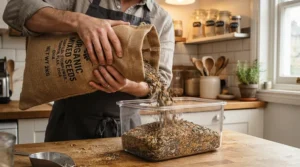
Seed Shelf Life: How Long Is Too Long?
Seed shelf life is the most underrated line item in the value pack equation. Seed does expire, and moisture, heat and light are the culprits.
Guidance from bird-feeding sources varies, but a common range for properly stored seed is about 6 to 12 months. Opened bags can deteriorate faster, from a few weeks to several months depending on the seed and conditions. Oily seeds like niger tend to be shorter-lived. Treat any manufacturer’s two-year printed date as a ceiling, not a promise.
| Storage Method | Typical freshness window | Best For |
|---|---|---|
| Open or loosely closed bag, warm room | Weeks to a few months | Nobody, ideally |
| Airtight bin, cool and dry (about 4–21°C) | Often 6–12 months | Most households |
| Airtight bin plus frozen backup portions | Longer, with insect-egg protection | Bulk buyers, humid homes |
Freezing also helps: a 48-hour freeze can kill pest eggs, and keeping spare portions cold protects oily seed. The table shows why bulk buyers should portion up on day one.
How to spot trouble: a sharp, rancid smell, musty or mouldy odours, clumping, sprouting, dull or dusty seed, and visible insects all mean it’s time to toss the batch. Check deep in the container, not just the top layer.
Airtight Storage Bins: Your Bulk Buy’s Best Friend
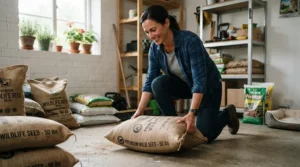
Here’s the unglamorous truth: airtight storage bins decide whether your bulk finch and canary food value pack is a bargain or a bin liner. A good setup takes about ten minutes.
Step 1: Pick the right size. A bin like the Gamma2 Vittles Vault is sold in capacities up to 35 lb (about 16 kg) for bird seed, using a threaded lid with a double gasket to keep moisture and pests out. Match bin capacity to your largest bag.
Step 2: Keep it clean and dry. Wash and fully dry the container between bags. Don’t pour a new bag over old seed.
Step 3: Portion early. Fill a small kitchen jar for weekly use and leave the main bin sealed. Every time you open a big container, humid air gets in.
Step 4: Choose the spot. A cool, dry interior closet beats a sweaty garage in August or a damp basement in April.
Step 5: Label and rotate. Write the purchase date on tape and use the oldest seed first.
Reviewer feedback on the Vittles Vault line is mostly positive on pest-resistance, though one reviewer reported finding it wasn’t fully airtight, so test the seal. Spend the time; it protects your savings.
Real-World Scenarios: Matching the Right Value Pack to Your Flock
Case studies beat generalities, so here are three typical households.
Scenario 1: The apartment canary keeper. You have one canary, limited cupboard space and a modest budget. A 9.1 kg bag is overkill. Instead, start with Royal Feeds Canadian Canary Seed as a base and blend in a small bag of Vitakraft Menu Canary & Finch Food at about half-and-half, as one reviewer described. You get variety without a bulky commitment.
Scenario 2: The four-finch hobbyist. You keep a small flock and finish a kilogram every month or so. The Kaytee Supreme Finch Food bulk bag, stored in an airtight bin and portioned into smaller jars, delivers the biggest savings. Add Higgins Vita Seed Finch as a rotating treat during moult.
Scenario 3: The breeder or aviary keeper. Higher protein needs and larger numbers favour a bigger rotation. Pair the Hagen Gourmet Seed Mix for Canaries in bulk with a pellet-style option like Vetafarm Finch & Budgie Crumbles, converting gradually, and use finch food subscribe and save for the small premium items.
Whichever profile fits, run the numbers on your actual monthly use before choosing a bag size.
Common Mistakes When Buying a Bulk Finch and Canary Food Value Pack
Even savvy shoppers trip over the same few stones.
Buying too big, too soon. If your birds haven’t proven they like a food, a giant bag is a gamble. Trial small, then scale up.
Ignoring storage. The most common failure is leaving a huge bag open in a warm kitchen. Seed deteriorates quickly in heat and damp.
Chasing the colourful mix. Bright pieces look appealing to humans, but reviewers repeatedly say birds sort and discard them, so you pay for waste.
Treating seed as a complete diet. Veterinary sources, including VCA Canada, emphasize that seed should be only part of the diet. A bulk seed strategy needs fresh food and ideally pellets alongside it.
Skipping the date check. Always read the best-before date on arrival, and don’t assume a two-year print date means two years of freshness.
Subscribing to a bulk bag. Auto-delivery stacks up fast. Use it for small, quick-turnover items.
Forgetting about waste under the perch. A tidy floor is a sign you’re feeding the right amount.
Canadian Rules, Labels and What to Know Before Importing
For Canadian owners, a few regulatory points are worth understanding.
The Canadian Food Inspection Agency describes its pet food oversight as limited to import and export requirements for products containing animal products and by-products; see the CFIA pet food import page. It also notes that travellers may bring a personal import of commercially packaged US-origin pet food up to 20 kg per animal, under specific conditions. That matters if you’re tempted by a cross-border bulk haul.
Why does this matter for seed mixes? Some blends include animal-origin ingredients such as dried egg product, which is listed in one of the finch formulas I reviewed. Buying domestically through Amazon.ca sidesteps most of the import questions, but check the listing and the seller.
Also, read labels carefully for allergens, colours and preservatives, and keep bags in their original packaging inside the bin so you can reference lot numbers and dates if a problem arises.
Regulations can change, so confirm current rules directly with the CFIA if you plan a cross-border purchase.
FAQ
❓ Is a bulk finch and canary food value pack worth it for just two birds?
❓ Can I mix finch food and canary seed together?
❓ How should I store a large bag of canary seed through a Canadian winter?
❓ Does finch food subscribe and save work for every product?
❓ How do I know if bird seed has gone rancid?
Conclusion
A bulk finch and canary food value pack can genuinely cut your costs, but only if you treat it as a complete plan. Start with a formula your birds actually eat, buy a size you can finish while the seed is fresh, store it in a proper airtight bin, and use recurring delivery for the small, fast-moving items rather than the giant bags.
For most households, my analysis points to a simple formula: a bulk staple like Kaytee Supreme Finch Food or the Hagen Gourmet Seed Mix for Canaries, a plain-seed base such as Royal Feeds Canadian Canary Seed, and one premium top-up like Higgins Vita Seed Finch or Kaytee Forti-Diet Pro Health Canary & Finch Food. If you want to move beyond seed, Vetafarm Finch & Budgie Crumbles is worth a gradual try, and the Vitakraft Menu Canary & Finch Food works well as a foraging blend. Add fresh greens, and your birds will thank you with song.
Recommended for You
- Thistle Seed For Finches: 7 Best Picks For Canada (2026)
- Finch Food Under $15 CAD: 7 Best Cheap Picks For 2026
- Finch Food Under $15 CAD: 7 Best Budget Picks In 2026
Disclaimer: This article contains affiliate links. As an Amazon Associate, I earn from qualifying purchases. If you purchase products through these links, we may earn a small commission at no additional cost to you.
✨ Found this helpful? Share it with your friends! 💬🤗
