
In This Article
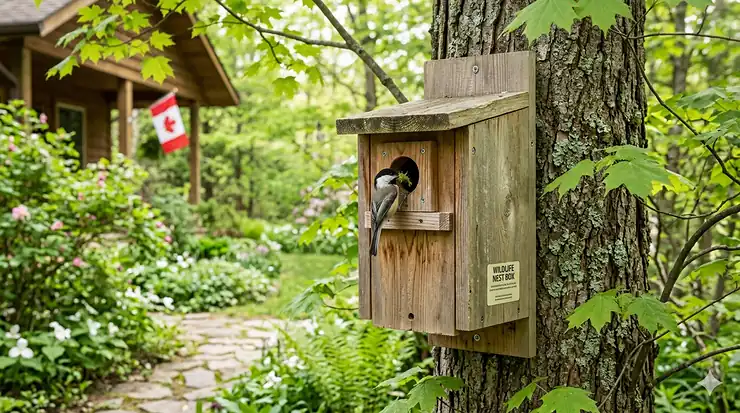
If you’ve ever peeked into a nest box after breeding season, you know it’s not exactly Pinterest-worthy. Old nesting material, parasite remnants, and accumulated debris create an environment that’s far from ideal for next year’s tenants. Understanding how to clean nest box between seasons isn’t just about tidiness—it’s about supporting the health and survival of cavity-nesting birds across Canada.
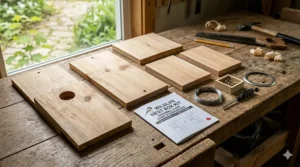
The Canadian Wildlife Federation recommends thorough annual cleaning to eliminate parasites that can harm returning birds. From chickadees in British Columbia to bluebirds in Ontario, proper nest box hygiene practices directly impact breeding success rates. During Canada’s harsh winters, many nest boxes also serve as vital roosting sites, making year-round maintenance even more critical.
In this comprehensive guide, you’ll discover professional techniques, essential cleaning products available across Canada, and seasonal timing strategies tailored to our diverse climate zones. Whether you’re maintaining a single backyard nest box in Halifax or managing a bluebird trail in the Prairies, these evidence-based practices will help you create safer nesting habitats. Let’s dive into the specifics of annual nest box care routine that actually works in Canadian conditions—from Victoria to St. John’s.
Quick Comparison Table: Nest Box Cleaning Products Available in Canada
| Product Type | Best For | Price Range (CAD) | Key Feature | Availability |
|---|---|---|---|---|
| Stainless Steel Scrapers | Removing dried material | $12-$25 | Rust-resistant, durable | Amazon.ca, pet stores |
| Veterinary Disinfectants | Parasite elimination | $35-$55 (concentrate) | Hospital-grade, bird-safe | Specialty retailers |
| Long-Handle Brushes | Deep cleaning | $15-$30 | Reaches corners easily | Amazon.ca, hardware stores |
| Protective Equipment | User safety | $8-$20 | Prevents pathogen exposure | Pharmacies, Amazon.ca |
| Monitoring Cameras | Year-round observation | $120-$280 | WiFi-enabled, night vision | Amazon.ca, electronics |
💬 Just one click – help others make better buying decisions too! 😊
Top 7 Nest Box Cleaning Products & Tools: Expert Analysis for Canadian Bird Lovers
1. F10 SC Veterinary Disinfectant Concentrate (100ml-200ml)
When it comes to parasite prevention birdhouses, veterinary-grade disinfectants reign supreme. The F10 SC Veterinary Disinfectant is widely used in Canadian aviaries and wildlife rehabilitation centres for good reason—it’s effective against avian influenza, MRSA, and common nest parasites at dilution ratios that remain safe for birds.
Key Specifications:
- Hospital-grade concentrate (1:250-1:500 dilution)
- Non-toxic, aldehyde-free formula
- Effective against bacteria, fungi, viruses
Canadian Price: $42.99-$54.99 CAD for 100ml-200ml bottles
Availability: Available through The Parrot Shop and specialty pet retailers across Canada
Canadian bird keepers praise its long shelf life and cost-effectiveness. One 200ml bottle diluted at 1:250 provides enough solution for 25 days of high-level disinfection, making it economical for trail monitors managing multiple boxes.
✅ Pros:
- Creates 50-250 litres of working solution from one bottle
- Remains active after drying for residual protection
- Environmentally safe and biodegradable
❌ Cons:
- Requires accurate dilution measurement
- Higher upfront cost than household bleach
2. FONDOTIN Stainless Steel Bird Droppings Scraper
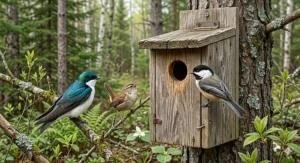
Every serious nest box monitor needs a reliable scraper, and this stainless steel option delivers professional-grade performance without breaking the bank. The wide head design tackles even the most stubborn caked droppings, while the durable construction withstands Canadian weather extremes.
Key Specifications:
- 21.5 x 15.5 x 2 cm stainless steel construction
- Wide head for efficient scraping
- Rust-proof design for longevity
Canadian Price: Approximately $18-$24 CAD
Availability: Amazon.ca with Prime shipping options
Canadian customers in prairie regions particularly appreciate how this tool handles hard-packed nesting material from multiple broods. It rinses clean with just water, making field cleaning during nest box monitoring camera checks incredibly convenient.
✅ Pros:
- Dishwasher safe for easy sanitization
- Lightweight yet sturdy enough for tough jobs
- Ergonomic handle reduces hand fatigue
❌ Cons:
- Sharp edges require careful handling
- No hanging hole for storage
3. Stainless Steel Long-Handle Bird Cage Brush & Scraper Combo
When nest boxes develop tight corners filled with compacted material, this dual-head cleaning brush becomes invaluable. The innovative design features stiff bristles up front and a sharp scraper at the back—perfect for the annual nest box care routine recommended by wildlife organizations.
Key Specifications:
- Extended polished handle (40+ cm reach)
- Dual-head design: bristles + scraper
- Medium-hard PET bristles
Canadian Price: $22-$32 CAD for 2-pack
Availability: Amazon.ca with various colour options
Ontario bluebird trail monitors report this tool reaches corners that standard scrapers miss, particularly in deeper boxes designed for larger species. The extended handle keeps hands away from potentially contaminated material.
✅ Pros:
- Reaches deep into standard and custom nest boxes
- Reverse bristle design targets grooves effectively
- Durable enough for multiple seasons
❌ Cons:
- Bristles may wear with heavy use on rough wood
- Handle length makes storage slightly awkward
4. Brushtech Outdoor Washing Brush with Scraper
Originally designed for outdoor furniture, this versatile brush has become a favourite among Canadian nest box monitors for its gentleness on wood combined with effective cleaning power. The rubbery head won’t damage cedar or pine boxes while still removing stubborn debris.
Key Specifications:
- Non-scratch rubbery brush head
- Integrated scraper edge
- Suitable for wood, plastic, painted surfaces
Canadian Price: $16-$22 CAD
Availability: Amazon.ca and select hardware stores
Maritime bird watchers dealing with moisture-damaged boxes praise its ability to clean without damaging weathered wood. It’s particularly useful for nest box vs birdhouse what’s the difference scenarios where you’re working with decorative boxes that need gentler treatment.
✅ Pros:
- Won’t gouge or splinter cedar boxes
- Easy to rinse and sanitize between boxes
- Comfortable grip for extended cleaning sessions
❌ Cons:
- Less effective on extremely caked material
- Rubber may degrade faster in extreme cold
5. WIWACAM WiFi Nest Box Camera (4K HD)
While not a cleaning tool per se, monitoring cameras revolutionize how Canadian bird enthusiasts approach nest box hygiene practices. This 4K camera system lets you track nesting cycles precisely, ensuring you clean at optimal times without disturbing active nests—crucial for complying with the Migratory Birds Convention Act.
Key Specifications:
- 4K HD resolution with night vision
- WiFi connectivity (2.4GHz)
- Motion detection with phone alerts
- MicroSD recording capability
Canadian Price: $120-$180 CAD
Availability: Amazon.ca with various mounting options
The camera works with most bird boxes and provides live video to smartphones, making it easy to monitor nesting activity remotely. Quebec naturalists report this technology has eliminated accidental disturbances during late-season broods.
✅ Pros:
- Precisely tracks when nests become inactive
- Educational for families and schools
- Weather-resistant for Canadian climates
❌ Cons:
- Requires power source or frequent battery charging
- WiFi range limited in rural areas
- Temperature range (-10°C to 45°C) excludes extreme northern regions
6. Cedar Wood Nest Box Replacement Kit
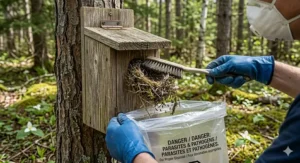
Sometimes cleaning isn’t enough—boxes damaged by weather, woodpeckers, or rot need replacement. These sustainably sourced cedar boxes represent the gold standard for Canadian conditions, offering natural weather resistance without toxic treatments.
Key Specifications:
- 3/4″ thick FSC-certified western cedar
- Pre-drilled ventilation and drainage
- Multiple entry hole sizes (1.25″-1.5″)
Canadian Price: $35-$65 CAD depending on species-specific design
Availability: Specialty bird supply stores, Amazon.ca, WhitehorseShop.com
The Canadian Wildlife Federation recommends using untreated cedar, pine, or redwood lumber at least 2.5 centimetres thick for durability. These boxes include removable panels for easy annual cleaning—a feature missing from many budget imports.
✅ Pros:
- Natural cedar oils deter insects and fungi
- Dado joints prevent drafts and moisture
- Designed to NABS (North American Bluebird Society) specifications
❌ Cons:
- Higher initial investment than plywood boxes
- May warp slightly in extreme humidity cycles
7. Safety & Protective Equipment Bundle
Proper nest box hygiene practices require personal protection. This essential bundle includes N95 respirator masks, nitrile gloves, and safety glasses—critical for Canadian monitors working with potentially contaminated material.
Key Specifications:
- N95 respirators (box of 20)
- Nitrile gloves (50 pairs, powder-free)
- Safety glasses with side shields
Canadian Price: $25-$40 CAD for complete bundle
Availability: Pharmacies, hardware stores, Amazon.ca
Wildlife experts recommend wearing facemasks when cleaning to avoid breathing in potential fungi and parasites. Alberta trail monitors working in dusty prairie conditions consider this equipment non-negotiable, especially after discovering rodent nesting in boxes.
✅ Pros:
- Medical-grade protection against pathogens
- Reusable safety glasses reduce waste
- Meets Health Canada safety standards
❌ Cons:
- N95 masks can be uncomfortable in hot weather
- Gloves may tear on sharp nest box edges
✨ Don’t Miss These Exclusive Deals!
🔍 Take your nest box maintenance to the next level with these carefully selected products available in Canada. Click on any highlighted item to check current pricing and availability on Amazon.ca. These tools will help you create authentic habitat improvements your feathered neighbours will appreciate!
Understanding Nest Box vs Birdhouse What’s the Difference: Design Impacts Cleaning
Before diving deeper into cleaning protocols, let’s clarify terminology that confuses many Canadian homeowners. While often used interchangeably, nest boxes and birdhouses serve different purposes—and those differences significantly affect maintenance requirements.
Nest Boxes are scientifically designed structures built to specific dimensional standards for target species. They feature:
- Precise entry hole diameters (1.25″ for chickadees, 1.5″ for bluebirds)
- Proper floor dimensions matching species requirements
- Ventilation and drainage holes placed strategically
- Easy-access panels for monitoring and cleaning
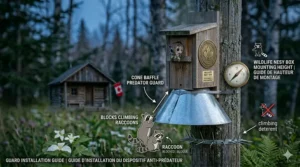
- Predator guards and appropriate mounting heights
Birdhouses, conversely, are often decorative structures prioritizing aesthetics over function. Many feature:
- Arbitrary entry hole sizes
- Perches that aid predators
- Painted or stained surfaces using potentially toxic materials
- No cleaning access or poor drainage
- Unsuitable dimensions for any specific species
This distinction matters tremendously for annual nest box care routine. Decorative birdhouses with inadequate access may be impossible to clean properly, leading to parasite buildup. The Canadian Wildlife Federation emphasizes using woods that resist weathering and avoiding pressure-treated lumber which can be toxic to wildlife.
For Canadian bird conservation, properly designed nest boxes with cleaning access aren’t just preferred—they’re essential. A well-designed box allows thorough scrubbing of corners where mites hide, while decorative models may trap moisture and parasites year after year.
If you’re working with decorative birdhouses, consider retrofitting them with removable panels or upgrading to functional nest boxes. Your time investment in seasonal cleaning deserves structures worth maintaining.
When to Clean: Optimal Timing Across Canadian Climate Zones
Timing nest box cleaning requires balancing several factors: breeding schedules, legal protections, regional climate, and practical access. Get it wrong, and you risk violating the Migratory Birds Convention Act or disrupting late-season broods. Get it right, and you maximize both bird safety and your maintenance efficiency.
Legal Framework: The Migratory Birds Convention Act
Under Canada’s Migratory Birds Convention Act, it’s unlawful to remove or destroy nests containing eggs or live birds, with violations resulting in hefty fines. This federal legislation applies nationwide, making timing absolutely critical.
Safe cleaning windows:
- After confirmed nest abandonment (verify through nest box monitoring camera or weekly checks)
- Mid-October through late February (primary recommended window)
- Between broods (for species like bluebirds that nest 2-3 times per summer—experienced monitors only)
Regional Timing Recommendations
Canada’s diverse climate zones require tailored approaches:
British Columbia Coastal:
- Mild winters, extended breeding seasons
- Primary cleaning: November-January
- Some species begin prospecting in February
- Tip: Clean earlier if heavy rainfall causes mould issues
Prairie Provinces (AB, SK, MB):
- Harsh winters, breeding seasons start April-May, allowing cleaning to extend into February
- Primary cleaning: September-February
- Boxes often used for winter roosting—check carefully before cleaning
- Tip: Monitor for deer mice using boxes as winter shelter
Ontario & Quebec:
- Variable climate, competitive cavity-nester populations
- Primary cleaning: October-January
- House sparrows may begin nest building by late February in southern regions
- Tip: Install Gilbertson-style boxes to reduce sparrow competition
Atlantic Canada (NB, NS, PE, NL):
- Maritime climate with unpredictable springs
- Primary cleaning: November-early February
- Coastal boxes may accumulate salt spray residue requiring extra rinsing
- Tip: Secure boxes against winter storms before harsh weather
Northern Canada:
- Short breeding seasons, extreme winter conditions
- Primary cleaning: Late August-September (immediately post-breeding)
- Limited access during winter months
- Tip: Plan cleaning around brief post-thaw/pre-breeding window
Between-Brood Cleaning (Advanced)
For experienced monitors managing bluebird or tree swallow trails, between-brood cleaning can encourage additional nesting attempts. However, this requires confidence in identifying truly abandoned nests.
How to verify abandonment:
- No eggs or nestlings present
- Nest flattened and contains fecal matter
- Minimum 10 days since suspected fledging
- No adult bird activity observed for 5+ days
When cleaning between broods, especially for Eastern Bluebirds which typically nest two or three times each summer, timing is critical to avoid disrupting active nests. If in doubt, wait—an extra week won’t harm recolonization chances, but premature cleaning could cause abandonment.
Step-by-Step: How to Clean Nest Box Between Seasons (Complete Protocol)
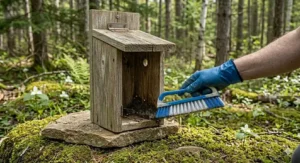
Now for the practical details—here’s the professional-grade cleaning protocol used by Canadian conservation organizations, adapted for backyard stewards. This method balances thorough sanitization with efficiency and safety.
Phase 1: Preparation & Safety (5 minutes)
Gather your supplies:
- Stainless steel scraper and brush
- Bucket for hot water
- Disinfectant solution (F10 SC at 1:250 dilution or 1:10 bleach solution)
- N95 respirator mask
- Nitrile gloves
- Safety glasses
- Garbage bag for nest material
- Garden hose or spray bottle
- Clean rags or paper towels
Personal protection first: Don rubber gloves and wear a mask to avoid breathing in potential fungi and parasites found in old nesting material. If you’ve noticed rodent droppings in boxes, treat the situation with extra caution—hantavirus, though rare in Canada, requires serious respect.
Weather check: Choose a dry, sunny day with temperatures above 5°C. You’ll need several hours of sunshine for thorough drying before reassembly.
Phase 2: Material Removal (10 minutes per box)
Open carefully: Approach from the side, open the access panel slowly, and peek inside before reaching in. Surprised mammals or lingering birds need escape routes.
Remove all nesting material:
- Start with elbow work, scrubbing the inside with your scrub brush, detergent and water
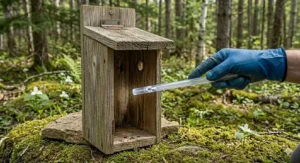
- Use the scraper for compacted material in corners
- Don’t forget the roof interior—parasites often cluster there
- Check for wasp nests or mud dauber tubes
Dispose properly: Place all removed material in a sealed garbage bag. While some sources suggest composting, parasite concerns make disposal safer for most homeowners. Trail monitors managing 50+ boxes might compost in dedicated piles away from gardens.
Phase 3: Deep Cleaning (15 minutes)
Initial scrub:
- Mix hot water with dish soap
- Scrub all interior surfaces with your long-handle brush
- Pay special attention to corners, joints, and rough spots where parasites hide
- Use a hose to get rid of stubborn debris if needed
Fecal matter protocol: If you observe dried droppings:
- Scrub the box clean with a cleaning mix using one part bleach to 10 parts water (1:10 ratio)
- Alternative: Use F10 SC at 1:250 dilution (4ml per litre)
- Let solution sit for 10 minutes minimum
- The F10 SC option is preferred by many Canadian wildlife rehabilitators
Rinse thoroughly:
- Use lots of hot water to thoroughly rinse away any detergent or bleach residue
- Residual chemicals can irritate bird skin and respiratory systems
- Rinse until water runs clear and no soap smell remains
Phase 4: Inspection & Repair (10 minutes)
While the box is apart and wet:
Structural inspection:
- Check for cracks, warping, or rot
- Test hinge and latch functionality
- Verify drainage holes aren’t blocked
- Examine predator guards and mounting hardware
Common repairs:
- Tighten loose screws
- Replace weathered caulking around roof joints
- Sand rough edges that could injure birds
- Apply cedar oil (not stain) if wood appears excessively dry
When to replace: If the floor is rotted, joints are separating, or the box has lost structural integrity, replacement beats repair. A damaged box wastes your cleaning effort and endangers nesting birds.
Phase 5: Drying & Reassembly (2-4 hours)
Sun drying is critical:
- Leave the box out in the sun to let it dry out completely
- Minimum 24-48 hours in sunny conditions
- Longer in humid climates or during overcast weather
- Prop panels open for maximum air circulation
Why drying matters: Fungi and bacteria thrive in moisture. A box reassembled while damp creates the perfect environment for pathogens. Canadian winters provide natural sterilization through freeze-thaw cycles, but autumn-cleaned boxes need thorough drying.
Final assembly:
- Once dry, you’re ready to put the box back out and eagerly await the start of spring
- Optional: Add 1-2 inches of pine shavings for chickadees (some species prefer bare floors)
- Remount securely—winter storms test aging hardware
- Record cleaning date on the box exterior or in a trail log
Time Investment Reality
Expect 30-45 minutes per box for thorough cleaning plus drying time. Trail monitors develop efficiency, often cleaning 10-15 boxes in a morning session, but your first season will take longer. That’s perfectly normal—thoroughness matters more than speed.
Parasite Prevention Birdhouses: Beyond Basic Cleaning
Even the most meticulous seasonal cleaning won’t eliminate all parasites if boxes have design flaws or placement issues. Comprehensive parasite prevention birdhouses integrate multiple strategies:
Design Features That Reduce Parasite Loads
Ventilation excellence:
- Angled vent holes high on side walls (not just under the roof)
- Prevents heat buildup where parasites thrive
- Allows air circulation without creating drafts on nestlings
Drainage optimization:
- Four corner drainage holes (1/4″ diameter minimum)
- Recessed floor drops moisture away from nest material
- Sloped floor channels water toward drainage points
Interior surface choices:
- Rough-sawn interior walls help nestlings climb
- Smooth floors reduce parasite hiding spots
- Avoid grooves that trap debris and parasites
Removable floors: Some advanced designs feature floors that drop out completely, making deep cleaning dramatically faster—particularly valuable for trail monitors managing numerous boxes.
Placement Strategies for Healthier Boxes
Where you mount boxes significantly impacts parasite pressure:
Avoid:
- Direct afternoon sun (overheating stresses birds, benefits parasites)
- Locations with poor air circulation
- Areas where water pools during rain
- Dense shrubs that block airflow
Prefer:
- Light morning sun, afternoon shade
- Open areas with breeze
- Slight slope for natural drainage
- Visibility for predator detection
Between-Season Parasite Management
Solar sterilization: After cleaning, leave disassembled boxes in full sun for 2-3 days. UV radiation kills many parasite eggs and larvae that mechanical cleaning missed.
Freezing protocol: In regions with hard winters, leaving boxes open allows repeated freeze-thaw cycles—nature’s sterilizer. Just secure panels so they don’t blow away.
Diatomaceous earth (controversial): Some monitors dust clean, dry boxes with food-grade diatomaceous earth. The silica damages parasite exoskeletons but requires reapplication and poses theoretical respiratory risks. Research remains inconclusive—consult local bird conservation groups for current recommendations.
Nematode treatments: Beneficial nematodes that target fly larvae are available at Canadian garden centres. Applied to soil beneath boxes, they reduce blow fly populations. Effectiveness varies by climate and existing parasite loads.
Species-Specific Considerations
Bluebirds & Tree Swallows: These species are particularly susceptible to blow fly parasitism. Studies show that most research found no significant effect of old nesting material on site selection, but worse reproductive outcomes occurred very rarely and were site- and season-specific. Monitor closely, especially during hot, humid periods.
Chickadees & Nuthatches: Natural cavity excavators, these species tolerate higher parasite loads. However, artificial boxes with less beneficial decomposer activity than natural cavities may require more intervention.
House Wrens: House Wrens prefer cavities with old nesting material, and ectoparasite numbers are the same whether there is old material or not due to the wren’s practice of clearing out old nests themselves. For this species, cleaning may be less critical than for others.
Annual Nest Box Care Routine: A Month-by-Month Calendar for Canadian Monitors
Successful nest box stewardship extends beyond autumn cleaning. Here’s a comprehensive annual timeline adapted for Canadian conditions:
January-February: Preparation & Planning
Tasks:
- Complete any delayed autumn cleaning (before late February deadline)
- Inventory boxes needing replacement
- Order new boxes and mounting hardware
- Review previous season’s records
- Plan any trail expansions or relocations
- Check winter roosting usage with monitoring cameras
Canadian-specific notes: In southern regions, some species begin prospecting by late February. Northern areas remain snow-covered—focus on planning and equipment preparation.
March: Pre-Season Inspection
Tasks:
- Visit all boxes for final pre-breeding assessment
- Tighten mounting hardware loosened by freeze-thaw
- Clear entrance holes of debris, ice, or wasp nests
- Install new boxes in promising locations
- Apply predator guards if not already present
- Document box conditions with photos
Safety reminder: Melting snow makes rural trails muddy. Plan access carefully and wear appropriate footwear.
April-July: Active Monitoring Season
Weekly monitoring tasks:
- Record nesting activity (species, eggs, nestlings)
- Remove invasive species attempts (House Sparrow nests)
- Check for predator damage or needed repairs
- Document fledging dates
- Between-brood cleaning for experienced monitors only
Frequency: Check boxes periodically, preferably weekly or more, approaching from the side and knocking lightly before opening. Avoid checks during early morning, dusk, or when nestlings are near fledging age.
Emergency interventions:
- Dead chicks or adults should be removed immediately
- If boxes become infested with insects that killed chicks, clean completely and disinfect
- Wasp takeovers require careful removal (or leave for specialized species)
August-September: Late Season & Transition
Tasks:
- Confirm all nesting attempts have concluded
- Begin autumn cleaning in northern regions
- Monitor for second/third broods in southern areas
- Update records with season’s breeding success
- Note boxes needing repairs before winter
Wildlife activity: Wrens, deer mice, wasps, and squirrels often repurpose boxes. A nest box monitoring camera helps distinguish activities without disturbing boxes.
October-December: Primary Cleaning Season
Main cleaning window: Most Canadian monitors clean during this period, following the protocol detailed earlier. Spread work over multiple sessions to avoid burnout—trail monitoring should remain enjoyable.
Storage considerations: Some monitors remove boxes entirely for winter storage, though this prevents roosting use. If storing:
- Clean thoroughly before storage
- Store in dry location with ventilation
- Check for wasp nests before spring reinstallation
Winter preparation: For boxes left in place:
- Secure all panels against winter storms
- Leave entrance holes open for roosting access
- Remove summer predator guards that could trap winter roosters
Nest Box Hygiene Practices: Common Mistakes That Harm Canadian Birds
Even well-intentioned stewards make errors that undermine their conservation efforts. Avoid these frequent pitfalls:
Mistake #1: Cleaning During Active Nesting
The problem: Disturbing occupied nests causes abandonment, mortality, and legal violations under the Migratory Birds Convention Act.
The solution: Annual cleaning should only be carried out at the end of the breeding season, from late September to February. Use monitoring cameras or weekly checks to verify abandonment before cleaning.
Mistake #2: Inadequate Drying
The problem: Reassembling damp boxes creates mould and bacteria factories. Pathogens multiply in moisture, making your cleaning counterproductive.
The solution: Wait minimum 24-48 hours in sunny weather, longer if conditions are overcast or humid. Touch-test all surfaces—if any dampness remains, wait longer.
Mistake #3: Toxic Residues
The problem: Bleach residue, commercial cleaning products with additives, or insecticide vapours can sicken or kill birds.
The solution: If using bleach (1:10 dilution), rinse exhaustively with hot water. Better yet, switch to F10 SC disinfectant designed for veterinary/avian use—it’s bird-safe when properly diluted and requires minimal rinsing.
Mistake #4: Ignoring Personal Protection
The problem: Avian parasites, fungal spores, and potential zoonotic diseases pose real health risks, especially for immunocompromised individuals.
The solution: Always wear N95 masks, gloves, and safety glasses. If you discover rodent droppings, treat boxes as potentially contaminated with hantavirus—wet materials thoroughly before removal to minimize airborne particles.
Mistake #5: One-Size-Fits-All Timing
The problem: Applying southern Ontario timing recommendations to northern Alberta creates problems. Regional climate variations matter tremendously in Canada.
The solution: Adjust timing based on your specific location’s breeding phenology. Join local birding groups or consult provincial naturalist organizations for region-specific guidance.
Mistake #6: Over-Engineering Solutions
The problem: Some monitors waste time and money on elaborate protocols that provide minimal benefit over basic thorough cleaning.
The solution: Research shows that there are only a small number of studies suggesting that the presence of old nesting material has a negative effect on some species, in some locations, in some seasons. Thorough removal and basic disinfection suffices for most situations—you don’t need specialized equipment or expensive chemicals beyond what’s recommended here.
Mistake #7: Neglecting Structural Maintenance
The problem: Focusing solely on cleaning while ignoring loose screws, gaps, or worn weather-proofing undermines nest box effectiveness.
The solution: Combine cleaning with inspection. Fix small problems immediately—they only worsen over winter. Replace boxes that have deteriorated beyond effective repair.

Nest Box Monitoring Camera: Technology That Transforms Maintenance Timing
Modern monitoring cameras have revolutionized nest box management in Canada, eliminating guesswork and reducing disturbances. Here’s how they enhance the annual nest box care routine:
Benefits for Canadian Monitors
Precise timing verification: No more wondering “Is that nest abandoned?” Cameras provide definitive proof when boxes become safe to clean, preventing MBCA violations and unnecessary disturbances.
Educational value: Watching nesting cycles unfold builds understanding of species-specific behaviours, informing better management decisions. Many Canadian families report children becoming passionate about bird conservation after watching nest box cameras together.
Predator identification: Cameras capture nighttime predator attacks, revealing whether snakes, raccoons, cats, or other threats require enhanced guards.
Documentation: Time-stamped video provides indisputable records of nesting success, fledging dates, and unusual behaviours—valuable for citizen science contributions.
Features That Matter in Canadian Conditions
Temperature tolerance: The Birdfy Nest operates within a temperature range of 14°F to 113°F (-10°C to 45°C), suitable for most Canadian regions but problematic in extreme northern areas or during cold snaps.
Power solutions:
- Wired options: Require nearby electrical outlets but offer unlimited operation
- Battery-powered: Portable but require regular recharging (2-3 hours typical)
- Solar panels: Ideal for remote trail boxes, though Canadian winter sunlight may be insufficient at northern latitudes
Connectivity: Most cameras require 2.4GHz WiFi, limiting usefulness in rural areas without cellular signal. Check coverage before purchasing for trail applications.
Popular Models Available in Canada
Budget-friendly (Under $150 CAD): Basic functionality, 1080p resolution, often require separate nest box purchase. Suitable for backyard hobbyists monitoring 1-2 boxes.
Mid-range ($150-$220 CAD): Complete packages with integrated boxes, better night vision, cloud storage options, motion detection. Best value for serious backyard monitors.
Premium ($220-$280+ CAD): 4K resolution, AI bird identification, extended range, weatherproofing, longer battery life. Designed for educational institutions, research, or dedicated trail monitors.
Installation Tips
Minimize disturbance: Install cameras in autumn after breeding season concludes. Spring installation risks abandonment by territorial birds already investigating boxes.
Power cable routing: For wired cameras, route cables down the back of mounting poles rather than through boxes. Drill minimal holes and seal around cables to prevent wasp entry.
Angle optimization: Most cameras use wide-angle lenses designed for overhead mounting. Follow manufacturer instructions precisely—improper angles miss critical nest activity.
Connectivity testing: Before permanent installation, test WiFi range from the box location. Consider WiFi extenders for marginal signal areas, or switch to cellular-enabled camera models.
FAQ: Expert Answers to Top Nest Box Cleaning Questions in Canada
❓ How often should I clean nest boxes in Canada?
❓ Can I use regular household cleaners to disinfect nest boxes?
❓ Is it legal to remove old bird nests in Canada?
❓ What should I do if I find wasps or mice in my nest box?
❓ Should I add new nesting material after cleaning the nest box?
Conclusion: Your Role in Canadian Bird Conservation Through Proper Nest Box Maintenance
Learning how to clean nest box between seasons represents more than backyard chore mastery—it’s direct participation in wildlife conservation across Canada. Every properly maintained box provides safe breeding habitat in landscapes where natural cavities have diminished through development and forestry practices.
The protocols outlined here reflect decades of research combined with practical wisdom from thousands of Canadian trail monitors from Vancouver Island to Newfoundland. By following these evidence-based practices, you’re joining a conservation community that has helped stabilize declining populations of bluebirds, tree swallows, and numerous other cavity-nesting species.
Remember the key principles: clean thoroughly after breeding seasons conclude, prioritize bird and human safety through proper techniques and protective equipment, time your maintenance to regional climate patterns, and maintain records that inform continuous improvement. Whether you manage a single backyard box or an extensive rural trail, your efforts matter.
As spring approaches and newly cleaned boxes await their seasonal tenants, take pride in providing premium nesting habitat. Those extra minutes spent scrubbing corners, rinsing away residues, and ensuring complete drying translate directly into healthier nestlings and successful fledging.
The birds can’t thank you, but their return each spring—and the vibrant songs filling your mornings—speaks volumes about the value of your stewardship. Welcome to the rewarding world of nest box monitoring, where simple maintenance creates profound conservation impact.
Recommended for You
- 7 Best Wildlife Nest Box Kits for Canadian Songbirds 2026
- 7 Key Differences Between Nesting Box & Roosting Box 2026 Canada
- 7 Best Roosting Box for Canadian Winter 2026
Disclaimer: This article contains affiliate links to Amazon.ca. If you purchase products through these links, we may earn a small commission at no additional cost to you. All product recommendations are based on genuine utility for nest box maintenance and Canadian bird conservation.
✨ Found this helpful? Share it with your friends! 💬🤗
