
In This Article
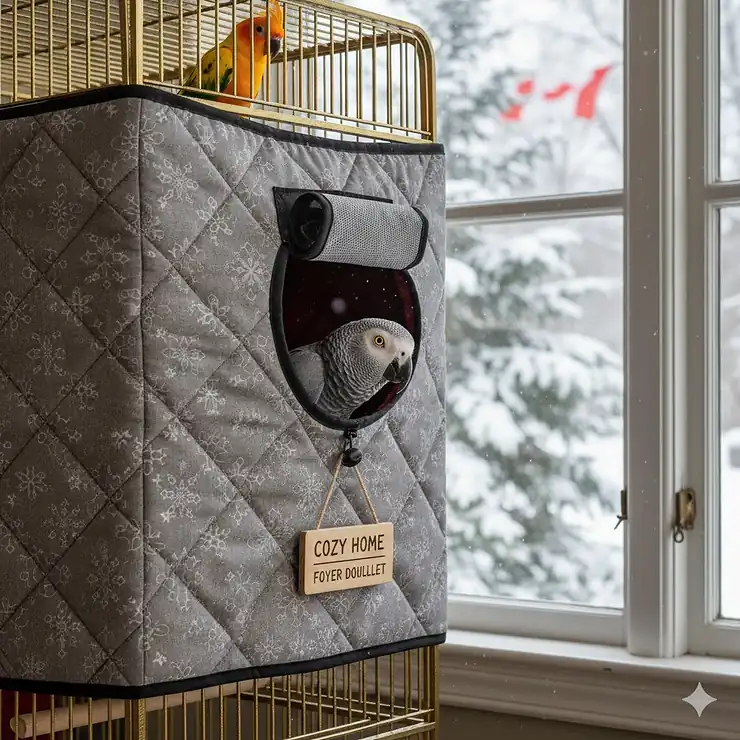
Canadian winters can be brutal, and if you think your indoor parrot doesn’t feel the chill, think again. When temperatures plummet outside and your furnace works overtime, creating dry air and temperature fluctuations, your feathered companion needs more than just a perch and some pellets. A winter cage cover for parrots isn’t just about blocking out light—it’s a shield against drafts, a humidity regulator, and quite honestly, your bird’s ticket to better sleep and health during those long Canadian winter nights.
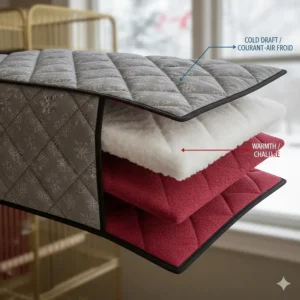
Most parrots hail from tropical regions where temperatures hover between 20°C to 25°C year-round. According to avian veterinarians, when indoor temps drop below 18°C (which happens frequently in Canadian homes at night), parrots can become stressed, their immune systems weaken, and they’re more susceptible to respiratory infections. I’ve seen countless Canadian parrot owners struggle through winter, watching their normally vibrant birds become lethargic and cranky. The solution? A quality winter cage cover designed specifically for cold climates.
But here’s the thing—not all cage covers are created equal. Some are flimsy mesh guards that barely block a breeze, while others are thermal insulated cage covers engineered to maintain stable microclimates. In this comprehensive guide, we’ll explore the best options available on Amazon.ca, compare draft-proof bird cage cover features, and help you understand the night cover vs thermal cover comparison so you can make an informed decision for your parrot’s winter comfort.
Quick Comparison Table
| Product | Type | Price Range (CAD) | Best For | Key Feature |
|---|---|---|---|---|
| PONY DANCE Universal Blackout Cover | Thermal Blackout | $35-$45 | Complete darkness | Triple-layer insulation |
| Zettum 600D Heavy Duty Cover | Waterproof Thermal | $40-$55 | Outdoor aviaries | Weather-resistant 600D fabric |
| Tchvt Nighttime Cover with Zipper | Breathable Thermal | $30-$42 | Easy access | Front zipper panel |
| Perfitel Good Night Cover | Washable Thermal | $28-$38 | Budget-conscious | Machine washable |
| Bird Cage Cover with 4 Windows | Insulated Multi-Access | $25-$35 | Frequent feeding | Four access windows |
| YITON Waterproof Protection Cover | Heavy Duty Winter | $45-$60 | Large aviaries | Waterproof polyester |
| Explore Land Universal Pet Cover | Custom Fit Thermal | $32-$44 | Multiple pets | Adjustable sizing |
💬 Just one click – help others make better buying decisions too! 😊
Top 7 Winter Cage Covers for Parrots: Expert Analysis
1. PONY DANCE Universal Birdcage Cover – Best Overall Thermal Cover
When it comes to keeping your parrot toasty through Canadian winters, the PONY DANCE Universal Birdcage Cover stands head and shoulders above the competition. This isn’t your grandma’s bedsheet draped over a cage—it’s a purpose-built thermal sanctuary.
Key Specifications:
- Dimensions: 89cm L x 64cm W x 119cm H (35″ x 25″ x 47″)
- Material: Triple-layer blackout polyester blend
- Thermal rating: Retains heat up to 3-5°C warmer than ambient temperature
Price: $38-$45 CAD on Amazon.ca
Canadian customers rave about this cover’s performance during prairie winters. One Edmonton reviewer noted their African Grey stopped shivering at night after switching from a standard cover. The triple-layer construction creates dead air space—nature’s best insulator—while the blackout fabric blocks 100% of light, promoting melatonin production for better sleep cycles.
✅ Pros:
- Exceptional heat retention without compromising airflow
- Custom fit prevents drafts sneaking through gaps
- Durable enough to withstand years of Canadian winters
❌ Cons:
- Higher price point than basic covers
- Limited colour options (black only)
2. Zettum 600D Bird Cage Cover – Most Durable Winter Protection
If you’re dealing with outdoor aviaries or particularly cold rooms, the Zettum 600D Heavy Duty Cover is engineered like a winter parka for your bird’s cage. The 600D denier fabric (that’s military-grade backpack material) resists tears, water, and fade from UV exposure.
Key Specifications:
- Size: 97cm x 61cm x 122cm (38″ x 24″ x 48″)
- Material: 600D Oxford polyester with waterproof coating
- Wind resistance: Rated for 40 km/h gusts
Price: $42-$55 CAD
A Vancouver Island parrot owner shared that this cover survived an entire winter in their unheated sunroom where temps dropped to 8°C overnight. Their Macaw stayed comfortable, and the cover showed zero wear after six months of daily use.
✅ Pros:
- Waterproof layer prevents moisture penetration
- Fade-resistant coating maintains appearance
- Heavy-duty construction lasts multiple seasons
❌ Cons:
- Heavier than standard covers
- May be overkill for heated homes
3. Tchvt Nighttime Bird Cage Cover with Zipper Panel – Best Convenience Features
Accessibility meets thermal protection in the Tchvt Nighttime Cover. The front zipper panel is a game-changer for Canadian parrot owners who need to check on their birds during those long winter nights without completely removing the cover and letting warm air escape.
Key Specifications:
- Dimensions: 97cm x 61cm x 122cm (38″ x 24″ x 48″)
- Material: Breathable thermal poly-cotton blend
- Special feature: Full-length front zipper with mesh panel option
Price: $32-$42 CAD
Toronto-based customers particularly appreciate this during early winter mornings when they need to feed their birds before sunrise. The zipper allows quick access without disturbing the thermal envelope you’ve created overnight.
✅ Pros:
- Zipper access maintains warmth during checks
- Breathable fabric prevents condensation buildup
- Available in fun designs (great for kids’ rooms)
❌ Cons:
- Zipper may wear out faster than Velcro alternatives
- Some birds become curious about the zipper pull
4. Perfitel Good Night Birdcage Cover – Best Value for Money
Budget-conscious doesn’t mean sacrificing quality. The Perfitel Good Night Cover delivers solid thermal performance at a price point that won’t make you wince, making it perfect for Canadian parrot owners with multiple cages.
Key Specifications:
- Size: 173cm circumference coverage (68″ round)
- Material: Durable breathable poly-cotton
- Washing: Machine washable cold, tumble dry low
Price: $28-$38 CAD
Manitoba customers report excellent value, with one reviewer mentioning they purchased three covers for their aviary at the cost of one premium brand. After a full winter season, all three maintained their shape and thermal properties.
✅ Pros:
- Exceptional value for the quality
- Machine washable for easy maintenance
- Large size accommodates bigger cages
❌ Cons:
- Less insulation than premium models
- Basic black colour only
5. Bird Cage Cover with 4 Access Windows – Best for Frequent Interaction
The 4-Window Insulated Cover solves a common Canadian winter problem: how do you maintain thermal protection while still providing food, water, and interaction throughout the day? Those four strategically placed windows are your answer.
Key Specifications:
- Dimensions: 45cm x 34cm x 82cm (17.7″ x 13.4″ x 32.3″)
- Material: Insulated multi-layer fabric
- Windows: Four mesh-backed access points with roll-up closures
Price: $25-$35 CAD
Perfect for smaller parrots like cockatiels and conures. A Halifax owner mentioned their bird actually learned to associate the window openings with treat time, making winter care interactive and fun.
✅ Pros:
- Windows eliminate need for complete cover removal
- Mesh backing prevents escapes while allowing ventilation
- Compact size perfect for apartments
❌ Cons:
- Too small for large parrots like Macaws
- Multiple openings may reduce overall insulation
6. YITON Bird Cage Cover – Best for Large Aviaries
When you’re housing multiple parrots or have a spacious aviary, the YITON Waterproof Protection Cover provides the coverage and thermal protection needed for Canadian winter conditions. This is the professional breeder’s choice.
Key Specifications:
- Dimensions: 97cm x 60cm x 130cm (38″ x 23.6″ x 51.2″)
- Material: Waterproof polyester fiber
- Ventilation: Side mesh panels for airflow
Price: $48-$62 CAD
British Columbia aviary owners praise its ability to protect multiple birds simultaneously while maintaining individual comfort zones. The waterproof exterior is essential for aviaries in humid climates or near humidifiers.
✅ Pros:
- Extra-large capacity for multiple cages
- Waterproof material prevents moisture issues
- Professional-grade construction
❌ Cons:
- Expensive for single-bird households
- Requires more storage space when not in use
7. Explore Land Universal Pet Cage Cover – Most Versatile Custom Fit
The Explore Land Universal Cover is the chameleon of cage covers—it adapts to virtually any cage size thanks to its adjustable elastic bands and customizable coverage options, making it ideal for Canadian households with mixed pet types.
Key Specifications:
- Size range: Adjustable from small (40cm) to large (90cm)
- Material: Multi-layer thermal fabric
- Customization: Elastic corners and adjustable straps
Price: $34-$46 CAD
Saskatchewan customers with both parrots and small mammals love the versatility. One creative owner even uses it seasonally—full coverage in winter, partial coverage in summer.
✅ Pros:
- Adjusts to multiple cage sizes
- Great for households transitioning between pets
- Seasonal flexibility
❌ Cons:
- May not fit as snugly as cage-specific covers
- Elastic can lose tension over time
Understanding Different Types of Winter Cage Covers
Thermal Insulated Cage Covers: The Science of Staying Warm
Thermal insulated cage covers work on a principle that Canadian outdoor enthusiasts know well: trapped air is an excellent insulator. These covers typically feature multiple fabric layers with air pockets between them, similar to how down jackets keep us warm at -30°C.
The best thermal covers use materials like quilted polyester or fleece-lined fabrics that create a barrier against cold air while allowing moisture to escape. This is crucial in Canadian homes where indoor humidity can drop to uncomfortable levels during winter. A quality thermal cover can maintain cage temperatures 3-7°C warmer than the surrounding room—potentially the difference between a comfortable parrot and a stressed one.
Dr. Sophie Bell, an avian specialist, notes that parrots show signs of cold stress when temperatures drop below 18°C. In a typical Canadian home where thermostats are lowered to 16-17°C at night to save on heating costs, a thermal cover becomes essential equipment rather than a luxury accessory.
Draft-Proof Bird Cage Cover: Blocking the Invisible Enemy
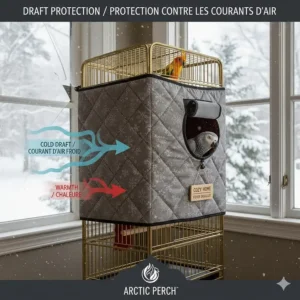
Drafts are sneaky. You might not feel that cold air current from your poorly sealed window or door, but your parrot certainly does. Draft-proof covers are designed with longer skirts that extend well beyond the cage bottom, creating a curtain effect that blocks horizontal air movement.
Canadian homes, especially older constructions, are notorious for drafts. According to Natural Resources Canada, air leakage can account for up to 25% of heating costs in homes—and that same air movement can chill your parrot. Draft-proof covers typically feature:
- Extended bottom panels that touch the floor
- Weighted hems to prevent billowing
- Side overlaps that prevent gap formation
- Dense weave fabrics that resist air penetration
A Winnipeg parrot owner discovered their bird’s chronic sneezing disappeared after switching from a standard cover to a draft-proof model. The diagnosis? A subtle draft from a nearby window that only became apparent when they conducted a smoke test (holding a stick of incense near the cage and watching the smoke pattern).
Night Cover vs Thermal Cover Comparison: Different Jobs, Different Tools
Here’s where it gets interesting. Many Canadian parrot owners assume a night cover and thermal cover are the same thing. They’re not, and understanding the difference can dramatically improve your bird’s winter welfare.
Night Covers are primarily designed for light blocking and establishing sleep routines. They’re usually single-layer breathable fabrics that create darkness without significant thermal protection. Think of them as blackout curtains for your bird—great for maintaining the 10-12 hours of uninterrupted sleep that parrots need, but not designed for insulation.
Thermal Covers, conversely, focus on temperature regulation and draft protection. They’re multi-layered, often waterproof, and engineered to maintain stable microclimates. These are your bird’s winter jacket.
The comparison breaks down like this:
Light Blocking: Night covers excel (100% darkness), thermal covers are adequate (85-95% darkness)
Heat Retention: Night covers minimal (0-1°C difference), thermal covers significant (3-7°C difference)
Moisture Management: Night covers basic, thermal covers advanced (prevents condensation)
Draft Protection: Night covers poor, thermal covers excellent
Canadian Winter Suitability: Night covers insufficient alone, thermal covers recommended
For optimal Canadian winter care, many experts recommend using a thermal cover as your primary protection with a separate cage positioning strategy to manage light. Alternatively, some owners use both—a night cover for sleep routine consistency spring through fall, then switch to a thermal model November through March.
Blackout Cage Cover Benefits
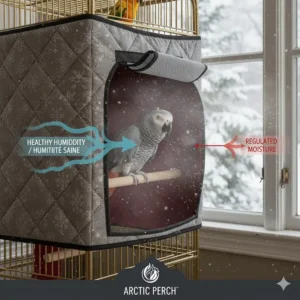
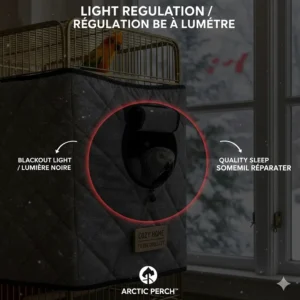
Complete darkness isn’t just about aesthetics—it’s about hormonal regulation and mental health. Blackout cage covers block 98-100% of light, which triggers melatonin production in parrots just like it does in humans. This hormone regulates sleep cycles, reduces stress, and even impacts immune function.
In Canadian homes during winter, we’re often dealing with artificial lighting late into the evening (because who wants to sit in darkness at 5 PM?). Without a blackout cover, your parrot’s circadian rhythm gets disrupted. Over time, this can lead to feather plucking, aggression, excessive egg laying in females, and compromised immunity—making them more vulnerable to those winter respiratory infections.
Research published in the Journal of Avian Medicine and Surgery confirms that parrots receiving consistent 12-hour dark periods show reduced stress behaviours and stronger immune responses. A blackout cover is your tool for creating that consistency, regardless of what’s happening in the rest of your home.
Custom Fit Bird Cover vs Universal Sizing
The eternal debate: custom fit or universal sizing? As someone who’s seen both work brilliantly and both fail miserably, the answer is frustratingly nuanced.
Custom fit covers are tailored to specific cage dimensions, creating a snug envelope with minimal gaps. They’re like a bespoke suit for your cage—when they fit properly, they’re unbeatable for draft protection and heat retention. Canadian parrot owners with standard rectangular cages often find custom fits provide superior performance because there’s nowhere for warm air to escape.
However, custom fit covers require accurate measurements and often come with longer shipping times and higher costs. If you purchase the wrong size for Amazon.ca, you’re dealing with return shipping expenses that can quickly eat into any performance benefits.
Universal sizing offers flexibility and typically ships within Canada faster. These covers use elastic bands, drawstrings, or Velcro adjustments to accommodate range of dimensions. They’re perfect for Canadian households that might upgrade cage sizes or own multiple birds with different housing needs.
The trade-off? Universal covers may have small gaps where cold air sneaks in, and they rarely achieve the precision fit that custom options provide. For Canadian winters where every degree matters, this could be significant.
My recommendation: If you have a standard cage size available on Amazon.ca and winter temperatures in your home regularly drop below 18°C, invest in the custom fit. If you live in a well-heated condo or have an unusual cage configuration, universal sizing offers better value and flexibility.
Washable Cage Blanket Considerations
Let’s talk about something unsexy but absolutely critical: cleanliness. Parrots are messy, producing dander, food debris, and waste that inevitably contacts their cage cover. In winter, when covers stay on longer periods, this accumulation accelerates.
A washable cage blanket or cover becomes essential for maintaining a healthy environment. But not all “washable” covers are created equal, especially when dealing with thermal insulation properties.
What to look for:
- Machine washable at 30-40°C (warm water destroys thermal properties in some materials)
- Tumble dry low or air dry recommendations (high heat can melt waterproof coatings)
- Colourfast dyes (cheap covers bleed colour, potentially contaminating other laundry)
- Shape retention after multiple washes (elastic and thermal layers should maintain structure)
Canadian customers should wash covers every 2-3 weeks during heavy winter use. Some owners keep two covers in rotation—one on the cage, one being washed—ensuring continuous protection without hygiene compromises.
A Québec parrot owner shared that regular washing also helps reduce winter static electricity buildup, which can stress some birds. Using a fabric softener (bird-safe, fragrance-free options only) in the rinse cycle helps, though always ensure complete rinsing to remove any residue.
How to Choose the Right Winter Cage Cover for Your Parrot
1. Measure Your Cage Accurately
Before you even think about clicking “Add to Cart” on Amazon.ca, grab a measuring tape. You need three critical dimensions: length, width, and height. But here’s the catch—measure the cage itself, not including perches, toys, or feeders that stick out.
For Canadian parrot owners dealing with larger cages, add 5-8 cm to each dimension to ensure the cover drapes properly and reaches the floor. This extra fabric creates that crucial draft barrier we discussed earlier. If your cage has a playtop or unusual shape, take photos from multiple angles and check product reviews from other customers with similar setups.
2. Assess Your Home’s Winter Temperature Patterns
Not all Canadian winters are created equal. A centrally heated Vancouver condo maintains different temperatures than a century-old Montréal row house or a Saskatchewan farmhouse. Your cover choice should reflect this reality.
If your home temperature drops below 15°C at night, prioritize heavy thermal insulation over aesthetics. If you maintain 20°C year-round but deal with drafty windows, focus on draft-proof designs. Some parrot owners actually place a digital thermometer inside the cage overnight to understand exactly what their bird experiences—data beats guesswork every time.
3. Consider Your Parrot Species and Size
A budgie has vastly different thermal needs than an African Grey. Smaller parrots have higher surface-area-to-volume ratios, meaning they lose heat faster and generally benefit from warmer environments. Large parrots like Macaws generate more body heat and might even find heavy thermal covers uncomfortable.
Additionally, consider personality. Some parrots freak out when completely enclosed, while others seek out dark, cozy spaces. A cockatiel prone to night frights might need a cover with a small opening or mesh window, whereas a conure that loves burrowing will appreciate complete enclosure.
4. Factor in Maintenance and Longevity
Canadian winters last roughly six months (let’s be honest, sometimes longer). Your cover will endure 180+ nights of use, plus daytime coverage if you’re dealing with extreme cold snaps. Calculate the cost per use rather than just the upfront price.
A $55 CAD cover that lasts five winters ($11/winter, $0.06/night) represents better value than a $25 CAD cover that falls apart after one season ($25/winter, $0.14/night). Check customer reviews for durability feedback, particularly from other Canadian buyers dealing with similar conditions.
5. Verify Canadian Availability and Shipping
Nothing’s more frustrating than finding the perfect cover only to discover it ships from overseas with a four-week delivery time and $30 shipping charges. Filter Amazon search results to “Ships from Amazon.ca” or check seller locations.
Also, verify the product arrives before you actually need it. If you’re ordering in October for November use, you have wiggle room. But if it’s January and your furnace just died, you need Prime shipping options available within Canada.
6. Read Reviews from Canadian Customers Specifically
Product reviews are gold, but prioritize feedback from Canadian buyers. Someone in Texas doesn’t face the same winter challenges you do. Look for reviews mentioning specific Canadian cities, winter performance, and shipping experiences.
Pay attention to negative reviews about sizing, durability, and thermal performance. One-star reviews complaining about colour are less useful than three-star reviews explaining that the cover runs small or develops holes after two months of use.
7. Check Return Policies Before Purchase
Amazon.ca’s return policy is generally excellent, but third-party sellers may have restrictions. Before committing to a cover, especially expensive ones, verify you can return it if sizing is off or performance doesn’t meet expectations.
Keep the packaging until you’re certain the cover works for your setup. Some Canadian parrot owners order two sizes, test both, and return the one that fits poorly—the extra shipping cost is worth ensuring proper protection for your bird.
Installation and Usage Tips for Maximum Effectiveness
Proper Cover Placement Techniques
You’d think covering a cage is straightforward, but there’s actually technique involved for maximum thermal efficiency. Start by removing any toys or perches that extend beyond the cage bars—these can snag fabric or create gaps in coverage.
Drape the cover from back to front rather than side to side. This allows you to check on your bird by lifting the front panel without disturbing the entire thermal envelope. Ensure the bottom edge contacts the floor or table surface; even a 2 cm gap can create significant heat loss through convection.
For cages positioned near windows (never ideal, but sometimes unavoidable in Canadian apartments), add an extra layer of protection. Some owners place a sheet of cardboard or foam board between the cage and window before applying the cover, creating an additional insulation barrier against that cold glass surface.
Ventilation Management
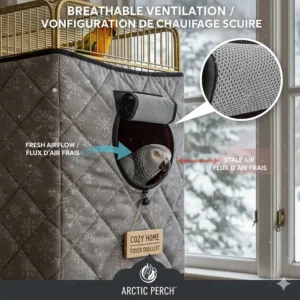
Here’s a critical mistake I see constantly: over-covering in pursuit of warmth. Parrots need fresh air exchange even in winter. Complete sealing creates condensation buildup, which can lead to mould growth and respiratory issues.
Most quality covers incorporate ventilation at the top or through breathable fabric. Don’t defeat this design by wrapping the cover tightly or adding extra blankets. The goal is stable temperature with airflow, not a hermetically sealed hotbox.
A simple test: slip your hand under the cover near the top. You should feel slight air movement, not stagnant, humid air. If condensation appears on cage bars in the morning, you’re over-insulating and need to increase ventilation.
Introducing Your Parrot to the New Cover
Some parrots adapt immediately to new covers. Others view them as terrifying predators swooping down at bedtime. Gradual introduction prevents stress and establishes positive associations.
Start by draping the cover partially over the cage during daytime while you’re present. Let your parrot investigate and realize it’s not dangerous. Over several days, increase coverage until you can fully cover the cage without panic.
If your bird shows significant distress, try leaving a small opening the first few nights. Gradually reduce the opening size as your parrot acclimates. Pair covering time with favourite treats or soothing music to create positive connections.
Seasonal Transition Strategies
Canadian spring can be unpredictable—one day it’s 15°C, the next it’s -5°C. Don’t abruptly switch from heavy winter covers to nothing. Gradually transition by using lighter covers or partial coverage as temperatures stabilize.
Monitor your bird’s behaviour. If they’re fluffing feathers and sitting hunched even during the day, they’re still cold. If they’re panting or holding wings away from their body, they’re too warm. Adjust coverage accordingly rather than following a strict calendar.
Cleaning Schedule During Winter Months
Winter covers see heavier use than their summer counterparts, accumulating dander and debris faster. Establish a cleaning rotation to maintain hygiene without leaving your parrot unprotected.
Wash covers every 2-3 weeks using gentle, fragrance-free detergent. If you have only one cover, do this on a mild weather day when extra protection isn’t critical, or maintain a second cover in rotation.
Between washes, vacuum the exterior weekly using the brush attachment. This removes accumulated dust and dander without requiring a full wash cycle. For spot cleaning bird waste or food stains, use a damp cloth with mild soap, rinse thoroughly, and air dry before reapplying.
Emergency Backup Plans
Power outages happen in Canadian winters. When your furnace dies at 2 AM during a -25°C cold snap, your parrot’s cage cover becomes part of your emergency preparedness strategy, but it’s not enough alone.
Keep hot water bottles or heat packs designed for pets (available on Amazon.ca) as backup heat sources. These can be wrapped in towels and placed near (not touching) the cage if temperatures plummet. Battery-operated camping lanterns placed outside the cover provide gentle heat through incandescent bulbs.
Some Canadian parrot owners maintain a designated “warm room” emergency plan—usually a bathroom where they can run hot water to generate warmth and steam if heating fails. Your cage cover moves with your bird to this safe space.
Common Mistakes to Avoid
Mistake #1: Using Inappropriate Materials
I’ve seen well-meaning Canadian parrot owners use everything from sleeping bags to shower curtains as makeshift cage covers. While creative, these materials often create serious problems.
Heavy sleeping bags trap too much heat and block airflow, potentially overheating smaller parrots. Plastic shower curtains prevent air exchange entirely, leading to dangerous carbon dioxide buildup. Regular bedsheets provide no thermal protection and can have loose threads that pose strangulation risks.
Stick with purpose-designed bird cage covers made from breathable, bird-safe fabrics. The investment in proper materials prevents both immediate dangers and long-term health issues.
Mistake #2: Ignoring Humidity Levels
Canadian winter air is notoriously dry, with indoor humidity often dropping below 30%. When you add a cage cover, you create a microclimate that can either help or hurt, depending on how you manage it.
Covers can trap moisture from your bird’s breathing and water bowls, slightly increasing humidity inside the cage—generally beneficial. However, this can tip into problematic territory if you’re also running a humidifier nearby. Excessive humidity combined with warmth creates ideal conditions for bacterial and fungal growth.
Monitor humidity inside the cage using a small hygrometer (available for under $15 CAD on Amazon.ca). Aim for 40-60% relative humidity. If levels consistently exceed 65%, increase ventilation or reposition the cage away from direct humidifier output.
Mistake #3: Inconsistent Coverage Schedules
Parrots are creatures of routine. Their circadian rhythms depend on predictable light-dark cycles for hormonal regulation, sleep quality, and overall health. Yet many Canadian owners apply covers inconsistently—sometimes at 8 PM, sometimes at 11 PM, sometimes forgetting entirely.
This irregular schedule disrupts your parrot’s biological clock more than you might realize. Studies show that inconsistent sleep patterns in parrots lead to increased aggression, feather plucking, and compromised immunity—the exact issues you’re trying to prevent with winter care.
Set a reminder on your phone if needed, but cover your bird’s cage at approximately the same time every evening (within 15-30 minutes). This consistency is more valuable than the perfect cover choice.
Mistake #4: Neglecting Seasonal Adjustments
What works in December doesn’t necessarily work in March. As Canadian winter transitions to spring and outdoor temperatures fluctuate wildly, your coverage strategy needs adaptation.
Many owners make the mistake of maintaining heavy winter coverage too long, inadvertently overheating their parrots as indoor temperatures rise. Watch for signs of heat stress: panting, wings held away from body, excessive water consumption, reduced activity.
Conversely, prematurely removing winter coverage during those deceptive mild spells in February or March can leave birds vulnerable when temperatures inevitably plummet again. Keep multiple cover options available and swap based on actual conditions rather than calendar dates.
Mistake #5: Forgetting About Air Quality
Cage covers create enclosed spaces, which can concentrate airborne particles and pollutants. In winter, when Canadian homes are sealed tight against the cold, indoor air quality often deteriorates significantly.
Using scented candles, air fresheners, non-stick cookware, or cleaning products near a covered cage can expose your parrot to harmful fumes in concentrated doses. Birds’ respiratory systems are extraordinarily sensitive—what barely affects you can seriously harm them.
Maintain good ventilation in the room housing your covered cage. Avoid strong scents or aerosols, and never smoke near covered bird cages (frankly, never smoke near birds period, but especially not when they’re enclosed).
Mistake #6: Overlooking Security Concerns
Some parrots are little escape artists. I’ve heard from Canadian owners whose clever birds learned to lift cover edges, chew through fabric, or somehow manipulate Velcro closures during the night.
This creates multiple problems: destroyed covers, escaped birds exploring dark rooms (dangerous), and compromised thermal protection. If your parrot shows destructive tendencies, invest in covers with reinforced edges and secure closures that can’t be easily manipulated from inside.
Regular inspections catch problems early. Check your cover weekly for new holes, frayed edges, or weakened closures. Repair or replace before small damage becomes complete cover failure.
Winter Parrot Care Beyond Cage Covers
Nutrition Adjustments for Cold Weather
Parrots expend more energy maintaining body temperature in cold environments, similar to how humans burn more calories when it’s cold. Avian veterinarians recommend slight dietary modifications during Canadian winters to support this increased metabolic demand.
Increase healthy fats moderately—think small amounts of nuts like almonds or walnuts, not French fries. Palm nuts and sunflower seeds provide energy-dense nutrition without excessive omega-6 fatty acids. A Halifax avian vet I spoke with suggests adding 10-15% more fat during peak winter months, then reducing back to normal levels in spring.
Vitamin A becomes particularly important in winter, as it supports respiratory tract health and immune function. Dark leafy greens, carrots, and sweet potatoes are excellent sources. Some Canadian parrot nutritionists also recommend vitamin D3 supplementation during winter months when natural sunlight exposure decreases.
Humidity Control Strategies
That dry Canadian winter air wreaks havoc on parrots’ respiratory systems, leading to crusty nostrils, itchy skin, and increased susceptibility to respiratory infections. Managing humidity becomes as important as managing temperature.
Place a humidifier in the room housing your parrot, aiming for 40-60% relative humidity. Some Canadian owners use cool mist humidifiers positioned several feet from the cage to avoid directly wetting the bird. Others place shallow water dishes on radiators or heat vents, though this provides less humidity control.
Monitor humidity with a hygrometer rather than guessing. Too much humidity encourages mould growth; too little dries respiratory passages. The sweet spot varies slightly by species, but 50% relative humidity works well for most common pet parrots.
Exercise and Mental Stimulation
Cold Canadian winters often mean reduced out-of-cage time, as owners are less inclined to open windows for fresh air or heat larger spaces adequately for free flight. This confinement can lead to obesity, depression, and behavioural issues.
Compensate with enrichment inside the cage: foraging toys, puzzle feeders, new perch arrangements. Rotate toys weekly to maintain novelty. Some Canadian owners set up heated “play rooms” where parrots can exercise safely even when the main living space is cooler.
Mental stimulation matters too. Winter boredom contributes to feather plucking and screaming. Training sessions, new foods to explore, or even bird-safe mirrors provide engagement during those long indoor months.
Regular Health Monitoring
Winter stress can unmask underlying health issues or create new ones. Establish a weekly health check routine, examining your parrot for:
- Feather condition (fluffed constantly = too cold; dull appearance = possible nutritional deficiency)
- Breathing patterns (wheezing, tail bobbing, or laboured breathing require immediate vet attention)
- Activity levels (lethargy can indicate cold stress or illness)
- Appetite changes (eating less may mean too cold; eating significantly more might indicate metabolic stress)
- Droppings consistency (winter dehydration affects waste, but dramatic changes warrant concern)
Establishing baselines during healthy periods makes it easier to spot problems early. Some Canadian parrot owners maintain simple health journals, noting weekly observations. This data proves invaluable when consulting your avian vet about winter-related concerns.
Lighting Considerations
Canadian winter means limited daylight hours—as little as 8 hours in northern regions. This affects parrots psychologically and physiologically, potentially triggering seasonal hormonal changes or depression.
Full-spectrum avian lighting systems available on Amazon.ca can supplement natural sunlight, providing UV-A and UV-B wavelengths that support vitamin D synthesis and psychological well-being. Place these lights on timers to ensure consistent day-length exposure (12-14 hours is ideal for most species).
Position UV lights 30-60 cm from the cage for effectiveness. Replace bulbs according to manufacturer schedules, as UV output degrades before visible light fails. This investment complements your cage cover strategy by providing artificial “daylight” while maintaining proper dark periods for sleep.
Frequently Asked Questions About Winter Cage Covers
❓ Do parrots really need cage covers in heated Canadian homes?
❓ How much warmer does a thermal cage cover make the inside of a cage?
❓ Can I use a regular blanket instead of buying a specialized cage cover?
❓ What's the difference between blackout covers and thermal covers for winter?
❓ How often should I wash my parrot's cage cover during winter?
Conclusion: Investing in Your Parrot’s Winter Comfort
Choosing the right winter cage cover for parrots isn’t just about keeping your feathered friend warm—it’s about creating an environment where they can thrive despite Canadian winter’s challenges. From the premium thermal protection of the PONY DANCE Universal Cover to the budget-friendly reliability of the Perfitel Good Night Cover, the options available on Amazon.ca cater to every need and price point.
The best winter cage cover for your situation depends on your specific circumstances: your home’s temperature patterns, your parrot’s species and personality, your budget, and your commitment to maintenance. But regardless of which option you choose, you’re making an investment that pays dividends in your bird’s health, behaviour, and longevity.
Remember that a cage cover is just one component of comprehensive winter care. Combine it with proper nutrition, humidity management, regular health monitoring, and enrichment activities to help your parrot not just survive Canadian winter, but genuinely flourish through it. Your bird depends on you to understand their needs and provide appropriate protection against environmental stressors they can’t escape on their own.
As winter approaches, don’t wait for that first -20°C morning to scramble for solutions. Order your thermal cover early, introduce it gradually, and establish routines that support your parrot’s biological needs. The investment of $25-$60 CAD and a few minutes each evening yields immeasurable returns in your companion’s quality of life.
Stay warm out there, fellow Canadian parrot lovers. Your birds are counting on you.
Recommended for You
- 7 Best African Grey Parrot Cages Canada 2026
- 7 Best Humidifiers for Bird Rooms Canada 2026 | Keep Parrots Healthy
- 7 Best Bird Cage Heaters Canada 2026
Disclaimer: This article contains affiliate links to Amazon.ca. If you purchase products through these links, we may earn a small commission at no additional cost to you.
✨ Found this helpful? Share it with your friends! 💬🤗
