
In This Article
Canary food for molting is a feeding plan built on extra protein, sulphur-rich amino acids, healthy oils, vitamins and minerals. It combines a quality seed base with egg food or a targeted supplement, so your canary can grow a full set of replacement plumage without running itself down.
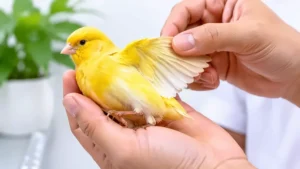
Every year, usually in late summer, your domestic canary drops its old feathers and builds new ones. Feathers can account for more than 10% of a bird’s body mass, and roughly 90% of their dry matter is keratin. For a 20-gram bird, that’s a construction project the size of a small house. The bird also tends to go quiet, scruffy and a little grumpy while it works through it.
Here’s the part many keepers miss. The moult starts on a hormonal and seasonal schedule no matter what you feed. Nutrition decides how well it finishes. A tired, under-fed bird can drag the process out for months and grow dull, brittle feathers. A well-fed bird gets it done in weeks, and the new plumage looks like satin.
That’s why canary food for molting deserves its own plan. In this guide I’ve compared seven real products available to Canadian keepers: seed mixes, egg foods and moult-specific supplements. I’ve also pulled together the practical care steps that no product label gives you. We’ll cover canary care during moult, how to handle stress during moult, and how to judge feather quality. Everything here is analysis based on published specs and the review information I could verify, not claims of hands-on testing.
Quick Comparison: Canary Food for Molting at a Glance
| Product | Type | Standout Spec | Price Range (CAD) | Best For |
|---|---|---|---|---|
| Kaytee Forti-Diet Pro Health Molting & Conditioning Supplement | Sprinkle-on supplement | Free-choice moult top-up | C$6-C$14 | First-time moult keepers |
| Wild Harvest Molting Supplement | Seed-based supplement | Millet, oat groats, canary grass seed, soy grits | C$6-C$12 | Picky eaters |
| Higgins Protein Egg Food | Egg food | Protein in a format canaries accept | C$5-C$15 | Protein-hungry moulters |
| Versele-Laga Nutribird Gold Crumble Canaries | Dry egg food | 16.5% protein plus lysine and methionine | C$20-C$40 | Show and breeder birds |
| Beaphar Moultmix 150g | Vitamin-mineral mix | Biotin, zinc and vitamin E | Under C$20 | Vitamin top-up |
| Hagen Gourmet Canary Seed Mix | Premium seed mix | Flax and mixed millets | C$14-C$22 | Everyday seed base |
| Hagen VME Original Blend Canary Seed | Staple seed | Vitamin and mineral enriched | C$10-C$20 | Budget-conscious owners |
Prices are approximate ranges at the time of research and vary by retailer and pack size. Please check current pricing on amazon.ca.
Looking at the table, the first three picks aim at protein and moult conditioning, while the last two are the daily seed foundation. The Versele-Laga Nutribird Gold Crumble Canaries carries the most documented amino-acid data, so it suits serious feather-quality goals. The Hagen VME Original Blend Canary Seed gives the best everyday value. Most households end up combining one seed base with one moult add-on rather than choosing a single winner.
💬 Just one click — help others make better buying decisions too!😊
Top 7 Canary Food for Molting Picks: Expert Analysis
1. Kaytee Forti-Diet Pro Health Molting & Conditioning Supplement — the all-round moult top-up
Think of this as the moult insurance policy you sprinkle over the seed dish. It’s made for cockatiels, parakeets, canaries and finches, and the maker says to offer it at all times during moulting, breeding and while feeding young. It comes in a jar of roughly 300 g (about 10-11 oz).
“At all times” matters here. It tells you this is a free-choice side dish, not a measured dose, which is handy because you don’t need a scale or a pipette. It’s also why you should still check the guaranteed analysis on the label for protein and fat.
Based on the spec sheet, this is a sensible first step for keepers who’ve never managed a moult. It’s a multi-species formula, so it isn’t tuned to canary needs the way a canary-specific egg food is. I couldn’t find enough verified buyer reviews for this exact jar to summarize them responsibly. Treat it as a widely stocked, brand-name option rather than a proven favourite.
Pros:
- ✅ Designed for moult, breeding and stress periods
- ✅ Free-choice feeding, no dosing maths
- ✅ Widely stocked brand with easy reorders
Cons:
- ❌ Multi-species formula, not canary-specific
- ❌ Not a replacement for protein-rich egg food
Price: roughly C$6-C$14. For an entry-level moult add-on, that’s fair value.
2. Wild Harvest Molting Supplement — the seed-style pick for fussy eaters
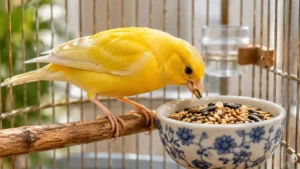
Canaries love to flick unwanted seeds out of the dish like tiny, feathered picky toddlers. This supplement is built to survive that audit. The 7.5 oz (about 212 g) bag blends millet, oat groats, canary grass seed, soy grits, canola, nyger, sesame, safflower and crushed peppers, plus lecithin and rosemary extract as a natural antioxidant.
Because the base is ordinary seed, canaries recognize it as food. The soy grits add plant protein, and nyger and sesame contribute oils that support feather sheen. On paper, it’s a gentle booster rather than a high-protein intervention.
Reviewer sentiment, as I could verify it, leans positive on acceptance. One buyer wrote that their canaries ate nearly all of it during a July-September moult, while pushing other seeds out of the dish. A repeat complaint is packaging: one reviewer said the powder arrived almost like dust because it was shipped without padding.
Pros:
- ✅ Seed-style format canaries readily accept
- ✅ Soy grits add plant-based protein
- ✅ Small amounts go a long way
Cons:
- ❌ Small bag for multi-bird households
- ❌ Can arrive crumbled in shipping
Price: around C$6-C$12. Good value if your bird refuses powders.
3. Higgins Protein Egg Food — protein in the format canaries actually eat
Egg food is the classic moult tool in the canary world, and this is a Canadian-market option sold for parakeets, parrots, finches and canaries. Small tubs have been listed by Canadian pet retailers at around C$5.
Here’s what the format means in practice. Feathers are mostly protein, so a moulting canary has a real appetite for it. Egg food delivers that protein in small crumbs a canary can pick at quickly, which makes it far more efficient than hoping your bird chews through hard-boiled egg.
I couldn’t verify a meaningful pool of reviews for this specific product, so I won’t summarize any. Check the label for the guaranteed protein and fat percentages before you commit. Offer a small pinch in a separate dish, and remove leftovers within a few hours in warm rooms, since moist egg food spoils faster than seed.
Pros:
- ✅ Concentrated protein for feather growth
- ✅ Sold in small, affordable tubs
- ✅ Easy to offer alongside normal seed
Cons:
- ❌ Spoils quickly if left out
- ❌ Multi-species formula, not canary-only
Price: C$5-C$15 depending on size. Excellent value for what it does.
4. Versele-Laga Nutribird Gold Crumble Canaries — the most documented amino-acid profile
If you like seeing the numbers behind a food, this is the one to read about. It’s a dry egg food made specifically for canaries, listing 16.5% protein, 7% fat, lysine at 1.05%, methionine at 0.33% and cystine at 0.31%. The maker states it contains no β-carotene, so it won’t add unwanted colour.
Why those numbers matter: keratin is rich in sulphur-containing amino acids, which is exactly where methionine and cystine come in. That makes this a thoughtful match for the feather-building job. The no-β-carotene detail is a genuine plus for white, yellow and variegated canaries, though red-factor keepers may want a different strategy.
The maker’s directions say to make it freely available during breeding and moult, then offer a portion two or three times a week the rest of the year, moistened with a few drops of water. It’s an imported brand, so amazon.ca availability and pricing can shift with third-party sellers. I couldn’t verify enough buyer reviews to summarize.
Pros:
- ✅ Canary-specific formula with published amino acids
- ✅ No β-carotene colour additive
- ✅ Clear year-round feeding directions
Cons:
- ❌ Imported, so stock and price fluctuate
- ❌ Costs more per kilo than seed
Price: roughly C$20-C$40 for 1 kg. Strong value for breeders and show-bird keepers.
5. Beaphar Moultmix 150g — the vitamin-and-mineral specialist
This one is aimed at parakeets, canaries and exotic birds, and the directions are refreshingly precise: mix about 2 g (roughly one teaspoon) per bird through the seed daily. The label lists crude protein at 14.7%, fat at 6.4% and fibre at 3.9%, plus biotin (0.25 mg/kg), zinc (50 mg/kg), vitamin E (300 mg/kg) and L-carnitine.
Here’s the honest read. The maker markets “high-quality eggfood” as the protein source, but egg and egg products make up only 0.49% of the ingredients. Bakery products, seeds and grains do most of the work. So I’d treat it as a vitamin-and-mineral booster with some protein, not as a replacement for true egg food. The ingredient list also includes sugar.
No verified review pool turned up for this product, so I’ll leave sentiment out. If your canary already eats a good egg food, this can sit beside it as a micronutrient layer.
Pros:
- ✅ Clear daily serving of about one teaspoon
- ✅ Biotin, zinc and vitamin E included
- ✅ Small 150 g pack for single-bird homes
Cons:
- ❌ Egg content is very low
- ❌ Sugar appears in the ingredients
Price: under C$20. Fair value as a supplement, weaker as a protein source.
6. Hagen Gourmet Canary Seed Mix — the everyday seed with oils built in
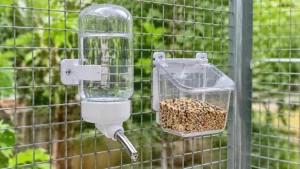
A moult plan needs a solid base layer, and this Canadian-made mix gives you one. It blends canary grass seed, oat groats, rapeseed, flaxseed and several millets with dried fruit and legumes, plus added vitamins and minerals. It’s sold in 1 kg and 9.1 kg sizes. A UK listing for the same product suggests roughly 10 g per bird per day, a handy starting point for portions.
Flaxseed is the standout. Seed keepers have long used linseed and flax during the moult for the oils that support new feathers. That makes this a good moult-season staple, not just a generic seed bag. The dried fruit adds variety but also gives your canary something to cherry-pick, so watch what’s left in the dish.
I couldn’t verify enough reviews to summarize. Canadian retailers have listed the 1 kg size at around the mid-C$10s.
Pros:
- ✅ Flax and mixed millets suit feather growth
- ✅ Made in Canada
- ✅ Bulk sizes for multi-bird homes
Cons:
- ❌ Dried fruit invites selective eating
- ❌ Not a moult-specific formula
Price: C$14-C$22 for 1 kg. Very good value as a base.
7. Hagen VME Original Blend Canary Seed — the budget workhorse
Sometimes the best move is the boring one. This vitamin-and-mineral-enriched canary seed is described as air-cleaned and polished, which produces a dust-free mix. It’s also made in Canada.
Dust-free matters more than it sounds. Cleaner seed means less husk debris in the dish and less irritation for a bird whose skin may already feel itchy from pin feathers. For moult season, this works as a reliable foundation to which you add egg food or a supplement.
It isn’t fancy, and it doesn’t claim to be. It lacks the extra ingredients of the gourmet mix, so you’ll want to pair it with something richer in protein. I couldn’t verify enough buyer reviews to summarize.
Pros:
- ✅ Clean, dust-free seed
- ✅ Vitamin and mineral enriched
- ✅ Usually the lowest cost per kilo here
Cons:
- ❌ No dried fruit or legumes for variety
- ❌ Needs a protein add-on during moult
Price: roughly C$10-C$20. A strong budget baseline.
How to Choose Canary Food for Molting
Choosing well is mostly about matching the food to your bird’s actual gaps. Follow these steps:
- Start with the base seed. Look for canary grass seed, millets and flax rather than a mix padded with filler. A clean base makes every add-on more effective.
- Pick your protein source. Egg food is the most direct route to extra protein. A seed-style supplement is the gentler option for birds that reject soft foods.
- Check amino acids. Methionine and cystine are the sulphur amino acids feathers depend on. If a label lists them, that’s a good sign of a feather-focused formula.
- Read the vitamin list. Biotin, vitamin E and zinc are common in moult mixes. More isn’t automatically better, because fat-soluble vitamins can overshoot.
- Consider colour. If you keep a red-factor or a white canary, ask whether a food adds colouring agents or avoids them.
- Match the format to your bird. A food your canary refuses is worth nothing. Dry crumbles, moist egg food and seed-style blends each suit different personalities.
- Check pack size and freshness. Small packs stay fresher for single birds. Bulk bags only make sense if you can store them cool and dry.
Research on moult physiology supports this protein focus. Work presented at the International Ornithological Congress found that whole-body protein turnover rose by an average of 35% during moult compared with non-moulting birds. That’s a lot of extra metabolic work, and your food has to keep up.

Features That Actually Matter (And Those That Don’t)
Pet food packaging is loud. Here’s how to filter the noise when shopping for canary food for molting.
Features that matter: protein level, sulphur amino acids (methionine and cystine), healthy oils from flax or linseed, a dust-free seed base, and clear feeding directions. The Versele-Laga Nutribird Gold Crumble Canaries shows what good transparency looks like, with amino acids printed on the page.
Features that matter less: colourful pellets in a seed mix, long lists of exotic ingredients, and “gourmet” language. A dried-fruit-heavy blend may look festive, but your canary may eat only the fruit and ignore the rest.
Features worth being careful about: sugar-heavy formulas and very high vitamin doses. The Beaphar Moultmix 150g lists sugar among its ingredients, which isn’t a dealbreaker at a teaspoon a day, but it’s why I’d treat it as a supplement and not a staple.
A useful rule: if the label makes feather promises but gives you no protein or amino-acid data to check them against, hold that claim loosely.
Canary Care During Moult: Your 30-Day Practical Guide
Food is only half the job. Canary care during moult also means managing light, warmth, hygiene and routine. Here’s a practical month.
Week 1: Set the stage. Switch to a clean seed base such as Hagen VME Original Blend Canary Seed and introduce your chosen add-on gradually. Start with a small pinch of egg food or supplement so your bird adjusts.
Week 2: Raise the protein. Offer egg food daily in a separate dish. Per the maker’s directions, Versele-Laga Nutribird Gold Crumble Canaries can be offered freely during moult. Refresh it often.
Week 3: Support comfort. Provide a shallow bath most days, as many canary keepers do, to keep growing feathers clean. Keep the cage in a quiet spot with steady temperature.
Week 4: Watch the finish. Head feathers are usually the last to grow. Once the head is fully feathered, the moult is generally considered done, and many keepers then return to a harder-seed diet and reduce the soft food.
On timing, sources differ, which is normal. One guide lists 6-12 weeks, while another says 1-3 months with two months most common. A Watchbird article from the American Federation of Aviculture describes 4-5 weeks as a quick moult and notes that a warm ambient temperature of about 21-27°C (70-80°F) can speed things up and reduce stress. A veterinary technician answering owner questions suggested a slightly cooler 20-21°C (68-70°F) and 8-10 hours of daylight. Since these conflict, aim for a comfortable middle and consult your avian vet for your bird’s situation.
Stress During Moult: Problems and Solutions
Moulting is hard work, and stress during moult can derail it. Here are the most common problems and fixes.
Problem: your canary stopped singing. This is normal. Male canaries commonly go silent during moult. Solution: keep feeding well and wait it out. Singing usually returns afterward.
Problem: sudden heavy feather loss outside moult season. Off-season “shock moults” can follow a scare, heat swings or a noisy household. Solution: reduce disturbance, keep the cage out of draughts and direct heat, and stabilize the routine.
Problem: bald patches or red skin. Moult can cause itching, but red skin and bald areas may signal mites or other illness. One vet response noted that normal moulting stops on its own, while stress-related or disease-related loss does not. Solution: if loss continues or the skin looks inflamed, book an avian vet visit.
Problem: a long, slow moult. A bird past roughly 12 weeks may need a nutrition review. Solution: raise protein and fats using a food like Higgins Protein Egg Food, confirm the bird isn’t underweight, and ask your vet.
Problem: your bird refuses new foods. Solution: mix a little Wild Harvest Molting Supplement into the usual seed so it smells and looks familiar.
Moult also stresses the immune system, so keep dishes clean and avoid adding new birds during this window.
Molting Supplement Canaries: Do They Actually Need One?
The question of whether molting supplement canaries truly need a dedicated product has a nuanced answer. A bird on a high-quality seed diet with regular egg food may already get what it needs. A bird on a plain seed diet probably won’t.
Here’s the practical logic. Moult raises demand for protein, amino acids, vitamins and minerals. A supplement such as the Kaytee Forti-Diet Pro Health Molting & Conditioning Supplement fills small gaps, while egg food fills big protein gaps. Used together, they’re complementary, not redundant.
Where people go wrong is stacking everything at once. If you add a vitamin mix, an egg food and a liquid vitamin in the same week, you could double-dose fat-soluble vitamins without realizing it. Start with one add-on, observe appetite and droppings, and layer carefully.
Another honest caveat: a supplement can’t fix an environment problem. If your canary is stressed by cold draughts or noise, no jar will compensate. Think of molting supplement canaries as a boost to a good routine, not a rescue for a bad one.
If you’re unsure about dosing, ask an avian vet. Follow label directions, and don’t assume more is better.
Feather Regrowth Diet Birds Can Actually Use: Seeds, Greens and Egg Food
A solid feather regrowth diet for birds like canaries builds from three layers.
Layer 1: Quality seed. Canary grass seed, millets and oat groats form the backbone. Seeds such as flax and hemp add oils. One finch and canary guide calls hemp a superfood, noting its balance of omega-3 and omega-6 fatty acids, minerals and protein. Use it in small amounts, since it’s rich.
Layer 2: Protein. Egg food is the usual hero. Some keepers also offer small bits of hard-boiled egg. The goal is consistent extra protein rather than a one-off feast. A feather regrowth diet for birds works best when protein appears daily, in small portions.
Layer 3: Fresh variety. Leafy greens and small amounts of vegetables keep the diet interesting and hydrated. Offer them fresh and remove leftovers.
Then there’s the finish. Many keepers add a little linseed on a “little and often” basis to improve the sheen of new feathers. After the moult, they return to hard seed and reduce soft food until breeding prep starts, if applicable.
For a real-world blend: Hagen Gourmet Canary Seed Mix as the base, a pinch of Higgins Protein Egg Food daily, and greens a few times a week. That covers the three layers without complexity.
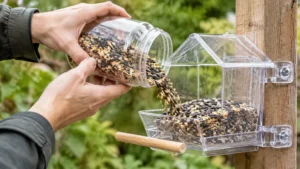
Feather Quality: What to Look For and What to Ignore
Feather quality is the visible scoreboard of your moult plan. Good new plumage looks smooth, even and glossy, with tidy edges and consistent colour. Poor plumage looks frayed, patchy or dull.
Why do some moults go badly? Protein and amino acids top the list, because feathers are mostly keratin. Fats and vitamins matter for sheen and growth. Stress, illness and parasites matter too.
Here’s what to ignore: claims that a food will instantly transform feather quality. Nutrition supports growth, but it can’t override genetics, health or housing. Colour is another limit. Many foods say they enhance colour, but the Versele-Laga Nutribird Gold Crumble Canaries takes the opposite approach by avoiding added β-carotene. That’s the right call for some canaries and the wrong one for others, so decide based on your bird’s variety.
Practical checks for feather quality: look for pin feathers emerging steadily, avoid breaking or handling them, and watch for bleeding or broken pin feathers, which warrant a vet call. Judge the result a few weeks after the moult ends, when the new plumage has fully settled.
Seed Mix vs Egg Food vs Supplement: Which Does What?
| Option | What It Adds | Typical Use | Watch-Out | Best For |
|---|---|---|---|---|
| Seed mix | Daily calories, oils | Every day | Selective eating | Hagen Gourmet Canary Seed Mix keepers |
| Egg food | Concentrated protein | Daily in moult | Spoils fast | Higgins Protein Egg Food and Versele-Laga Nutribird Gold Crumble Canaries |
| Seed-style supplement | Gentle extras | Sprinkled on seed | Lower protein | Wild Harvest Molting Supplement for fussy birds |
| Vitamin-mineral mix | Micronutrients | About a teaspoon daily | Sugar, low egg content | Beaphar Moultmix 150g |
The table shows that each option does a different job. Seed feeds the daily routine, egg food drives protein, and supplements polish the details. Rather than choosing one, think in layers, with the seed as foundation and one add-on on top. The best fit depends on how picky your bird is and how serious you are about feather quality.
Real-World Scenarios: Matching Food to Your Canary
Scenario 1: The first-timer with a single pet canary. Budget is modest, space is limited, and the bird eats seed happily. A sensible plan: Hagen VME Original Blend Canary Seed as the base plus a jar of Kaytee Forti-Diet Pro Health Molting & Conditioning Supplement. Low cost, low fuss.
Scenario 2: The picky eater. Your canary pushes everything but a few favourite seeds out of the dish. Try Wild Harvest Molting Supplement mixed into the usual food. The seed-style format is less likely to be rejected.
Scenario 3: The breeder or show-bird keeper. You care about feather condition and want published numbers. Versele-Laga Nutribird Gold Crumble Canaries plus Hagen Gourmet Canary Seed Mix gives you a transparent protein and amino-acid profile with a quality base. Add Beaphar Moultmix 150g only if your vet agrees a vitamin layer is useful.
Matching the plan to the bird, rather than the marketing, is what separates a smooth moult from a frustrating one.
✨ Ready to Support a Smoother Moult!
🔍 Take your canary’s moult plan to the next level with these carefully selected foods. Click on any highlighted item to check current pricing and availability. A little planning now can mean a glossier, healthier plumage for your feathered friend!
Long-Term Cost & Maintenance: What Moult Season Really Costs
| Product | Pack Reference | Price Range (CAD) | Cost-Per-Use View | Best For |
|---|---|---|---|---|
| Hagen VME Original Blend Canary Seed | Staple seed | C$10-C$20 | Lowest daily cost | Budget baseline |
| Hagen Gourmet Canary Seed Mix | 1 kg | C$14-C$22 | About 10 g/day guide | Premium base |
| Higgins Protein Egg Food | Small tub | C$5-C$15 | Pinch per day | Protein boost |
| Kaytee Forti-Diet Pro Health Molting & Conditioning Supplement | About 300 g | C$6-C$14 | Free-choice, lasts weeks | Simple top-up |
| Versele-Laga Nutribird Gold Crumble Canaries | 1 kg | C$20-C$40 | Highest per kilo | Serious keepers |
Prices are approximate ranges and vary by retailer and time.
Reading the numbers, a single canary eats tiny amounts, so even a premium egg food costs only a few cents a day. The real cost isn’t the price tag. It’s waste. Moist egg food that spoils, or bulk seed that goes stale, quietly doubles your cost. For one bird, small packs are usually the smarter buy.
Maintenance is simple but non-negotiable: store seed in a cool, dry, sealed container, wash dishes daily during moult, and replace egg food within a few hours when warm. Over a year, the whole moult plan likely costs less than a single vet visit, which is a good reason to invest in prevention.
Safety, Regulations and Canadian Considerations
Feeding is one piece of keeping birds responsibly in Canada. Here are the points that matter.
Veterinary care first. Supplements are not medicine. If your canary has bald patches, red skin, persistent lethargy or a moult that never seems to end, call an avian or exotic-animal vet. A quiet, scruffy bird can look similar to a sick one.
Avian influenza awareness. In Canada, avian influenza is a federally reportable disease, and the Canadian Food Inspection Agency (CFIA) notes that it can affect pet birds as well as poultry and wild birds. Good habits include keeping wild birds away from your pet’s cage, washing hands before and after handling, and not sharing equipment between birds. The CFIA’s avian biosecurity guidance explains practical steps and when to report a suspected case.
Label reading. Pet food labelling varies, so rely on guaranteed analysis and manufacturer directions, and don’t assume a brand’s marketing language is regulated nutrition advice.
Product availability. Some items, such as imported brands, may be sold by third-party sellers on amazon.ca, so stock and shipping can vary.
Seasonal note. Many Canadian homes dry out in winter. If a canary shows an out-of-season moult, review heating, humidity and disturbances before changing food.
FAQ
❓ How long does a canary's moult usually last?
❓ Can I give egg food every day during moult?
❓ Why did my canary stop singing during moult?
❓ Is feather loss in winter normal for canaries?
❓ Should I feed more protein all year?
Conclusion
A good moult isn’t luck. It’s the product of a clean seed base, extra protein, a few well-chosen add-ons and a calm environment. For canary food for molting, the picks above give you options at every budget. The Hagen VME Original Blend Canary Seed is the easy baseline, the Hagen Gourmet Canary Seed Mix adds flax and variety, Higgins Protein Egg Food and Versele-Laga Nutribird Gold Crumble Canaries supply the protein, and the Kaytee Forti-Diet Pro Health Molting & Conditioning Supplement, Wild Harvest Molting Supplement and Beaphar Moultmix 150g polish the details.
Remember the larger picture too. Canary care during moult covers temperature, light, baths and quiet, and stress during moult can undo even the best diet. Watch the progress of new feathers, judge feather quality once the moult finishes, and don’t hesitate to call an avian vet if something looks off.
Start with one add-on, stay consistent, and let your canary do what it does best once the new feathers are in: sing.
✨ Ready to give your canary a smoother moult?
Check current prices and availability on the products that fit your bird, and start planning this season’s feeding routine today! 🐤
Recommended for You
- Egg Food For Canaries: 7 Ultimate Picks In Canada (2026)
- Finch Food For Breeding Season: 7 Proven Picks For 2026
- Best Finch Food: 7 Smart Picks For Canadian Flocks (2026)
Disclaimer: This article contains affiliate links. As an Amazon Associate, I earn from qualifying purchases. If you purchase products through these links, we may earn a small commission at no additional cost to you.
✨ Found this helpful? Share it with your friends! 💬🤗
