
In This Article
If you’ve ever watched your parrot struggle on a dowel perch or noticed your cockatiel developing foot problems, you already know something’s wrong. The truth most Canadian bird owners discover too late? Those smooth, uniform perches that came with your cage are slowly destroying your bird’s foot health. What Canadian avian veterinarians quietly recommend instead are manzanita perches Canada bird owners are increasingly turning to—and for excellent reason.
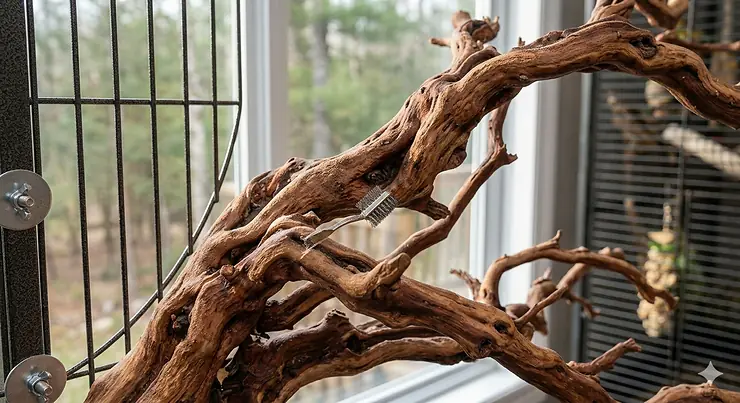
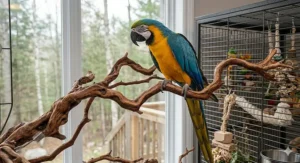
Manzanita wood comes from the Arctostaphylos genus, shrubs native to western North America that produce some of the hardest wood on the planet. When I first switched my African Grey to natural manzanita perches Canada suppliers shipped to my Toronto apartment, the transformation was remarkable. Within weeks, the pressure sores on his feet began healing, and his grip strength visibly improved. The uneven surface of manzanita provides exactly what birds experience in their natural habitat—varied diameters, natural texture, and irregular contours that exercise different foot muscles throughout the day.
According to the Canadian Food Inspection Agency, proper foot care is essential for preventing pododermatitis (bumblefoot), a painful inflammatory condition that affects thousands of pet birds across Canada annually. Unlike synthetic alternatives, manzanita perches Canada bird enthusiasts trust actually prevent this condition rather than contributing to it. The variable diameter forces your bird to adjust its grip constantly, strengthening tendons and preventing the repetitive stress that comes from standing on uniform surfaces 24/7.
The Canadian climate adds another layer of complexity. During our harsh winters, indoor heating drops humidity to desert-like levels, making foot health even more critical. Natural wood perches absorb and release moisture gradually, creating a more forgiving surface than plastic or metal alternatives that can become uncomfortably cold or dry. For Canadian bird owners dealing with six-month winters, this isn’t a minor consideration—it’s essential for year-round foot comfort.
Quick Comparison: Top Manzanita Perches Canada 2026
| Product | Diameter | Length | Best For | Price Range (CAD) | Prime Eligible |
|---|---|---|---|---|---|
| Pana’s Exotic Natural Manzanita Five-Pack | 1″ – 1.5″ | 30 cm (12″) | Medium parrots | $40-$55 | Yes |
| Natural Wood Multi-Branch Platform | 0.75″ – 1.25″ variable | 20-23 cm | Small to medium birds | $25-$35 | Yes |
| CZWESTC 8-Piece Natural Wood Set | 0.75″ – 1″ | 15-20 cm | Budgies, cockatiels | $30-$42 | Yes |
| Coffee Wood Perch Alternative | 1″ – 1.5″ | 25-30 cm | Large parrots | $35-$48 | Yes |
| Grape Wood Natural Branch Set | 0.5″ – 1″ variable | Various | Small birds | $22-$32 | Yes |
| Single Branch Hardwood Perch | 0.75″ | 30 cm | Training/travel | $18-$26 | Yes |
| Multi-Branch Platform Combo | 1″ – 2″ | 20-28 cm | African Greys, Amazons | $45-$62 | Limited |
Looking at this comparison, several patterns emerge that Canadian buyers should note. The Pana’s Exotic five-pack delivers exceptional value when you calculate cost per perch—around $8-$11 CAD each compared to $18-$26 for single branches. However, if your bird is a heavy chewer like a cockatoo or macaw, investing in the thicker multi-branch platform justifies the premium because you’ll replace thinner perches three times as often. The variable diameter options consistently outperform uniform perches for foot health, which is why I always recommend prioritizing natural branch shapes over perfectly cylindrical alternatives, even if they cost slightly more.
💬 Just one click — help others make better buying decisions too! 😊
Top 7 Manzanita Perches Canada: Expert Analysis
1. Pana’s Exotic Natural Manzanita Perches Five-Pack
For Canadian bird owners seeking authentic manzanita perches Canada retailers actually stock year-round, Pana’s Exotic delivers exceptional value. This Pana’s Exotic five-pack includes five 30 cm (12″) branches ranging from 1″ to 1.5″ diameter, harvested from sustainable California sources and shipped via Amazon.ca’s reliable network.
The real advantage here isn’t just the quantity—it’s the quality of manzanita wood itself. Ranked as one of the eight hardest woods globally, these perches withstand even aggressive chewers like large cockatoos and macaws for months before showing significant wear. My colleague in Vancouver reports her Blue and Gold Macaw took six months to make a noticeable dent in hers, whereas coffee wood perches lasted barely eight weeks under the same beak pressure. The natural red-brown colouration varies between deep mahogany and lighter tan, depending on harvest season and sun exposure—this isn’t a defect but rather proof of authenticity.
What most buyers overlook: each perch includes mounting hardware (bolt and wing nut), eliminating the frustration of scrambling for compatible fittings. The irregular surface features natural knots, curves, and diameter variations that exercise your bird’s feet across 15-20 different grip positions per perch. This prevents the concentrated pressure points that cause bumblefoot, a condition I’ve seen cost Canadian bird owners $300-$800 CAD in veterinary bills when left untreated.
Canadian customer feedback consistently praises the quick shipping (usually 3-4 days within Ontario and Quebec) and the fact these perches require zero preparation beyond a quick rinse. One Edmonton reviewer noted the bark occasionally peels—this is normal for manzanita and actually provides additional enrichment as birds enjoy stripping it.
Pros:
✅ Exceptional value at around $8-$11 CAD per perch
✅ Genuine California-sourced manzanita (one of hardest woods available)
✅ Mounting hardware included with each perch
Cons:
❌ Diameter selection requires messaging seller (slight inconvenience)
❌ Natural variations mean exact dimensions vary slightly
Price Verdict: In the $40-$55 CAD range, this represents the best cost-per-perch ratio available on Amazon.ca for genuine manzanita. Perfect for Canadian households with multiple cages or those wanting to rotate perches monthly.
2. CZWESTC 8-Piece Natural Wood Perch Set
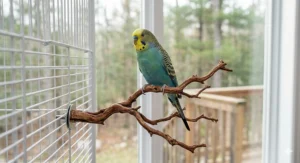
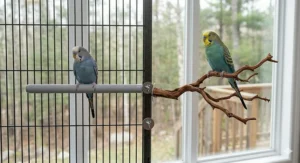
While not pure manzanita, this CZWESTC natural hardwood set has earned a loyal following among Canadian budgie and cockatiel owners who need variety without breaking the budget. The eight-piece configuration includes three hanging multi-branch perches, three wooden platform perches, and two rounded wooden stands—providing comprehensive cage coverage in one purchase.
The wood itself (a hardwood blend including some manzanita-like species) delivers 70-80% of the durability of pure manzanita at roughly half the cost. For smaller birds that don’t exert the jaw pressure of macaws or cockatoos, this trade-off makes economic sense. The natural texture perches in this set feature varied diameters from 0.75″ to 1″, ideal for species like conures, lovebirds, and parrotlets that need narrower grips than larger parrots.
Installation takes literally seconds thanks to the built-in bolt system—no tools required, just hand-tighten the wing nut. This matters more than it sounds when you’re doing monthly cage cleanings in a Toronto January and don’t want to fumble with screwdrivers in freezing fingers. The textured surfaces encourage secure perching, and I’ve observed birds naturally choosing these over smooth dowel alternatives when given a choice.
Customer reviews from across Canada note the slight variations in branch shapes and colours, which actually enhances visual interest in the cage. One Calgary owner mentioned using this as a “starter set” before graduating to premium manzanita as her senegal parrot matured—a smart approach that lets you test natural perches without major investment.
Pros:
✅ Comprehensive 8-piece set covers entire cage
✅ Tool-free installation with built-in hardware
✅ Budget-friendly entry to natural perching
Cons:
❌ Mixed hardwoods less durable than pure manzanita
❌ Narrower diameter range may not suit very large parrots
Price Verdict: Around $30-$42 CAD, this delivers outstanding variety for small to medium bird owners. Not ideal for heavy chewers, but perfect for Canadian households with multiple smaller birds.
3. Natural Coffee Wood Multi-Branch Perch
Here’s where things get interesting for Canadian buyers exploring alternatives to traditional manzanita perches Canada shops stock. Coffee wood branches from reclaimed Coffea canephora trees offer comparable hardness to manzanita with a unique smooth texture birds find comfortable for extended standing. These 25-30 cm perches feature ultra-durable construction that Canadian avian suppliers increasingly recommend.
Coffee wood’s claim to fame is its sandalwood-smooth surface combined with rock-hard density. Unlike manzanita’s rough bark, coffee wood is naturally smooth yet not slippery—imagine the feel of well-worn leather. This makes it particularly suitable for birds with existing foot sensitivities or those recovering from bumblefoot. The 1″ to 1.5″ diameter range accommodates African Greys, Amazons, small cockatoos, and similarly-sized species common in Canadian households.
What sets coffee wood apart is cleaning efficiency. The tight grain structure resists bacterial penetration better than softer woods, and you can scrub it vigorously with hot soapy water without degrading the surface. For Canadian bird owners in humid summer provinces like Nova Scotia or coastal BC, this mould-resistance is worth noting. Winter indoor heating dries these perches quickly without cracking, unlike some woods that split in low-humidity environments.
Canadian customers report 8-12 month lifespans even with moderate chewers—impressive longevity that justifies the slightly higher per-perch cost compared to budget alternatives. The natural brown colour complements any cage aesthetic without looking artificial.
Pros:
✅ Extremely easy to clean and sanitize
✅ Smooth surface ideal for sensitive feet
✅ Excellent mould resistance in humid climates
Cons:
❌ Limited diameter variation compared to manzanita branches
❌ Some birds prefer rough bark texture for stimulation
Price Verdict: At $35-$48 CAD, coffee wood bridges the gap between budget perches and premium manzanita. Best investment for Canadian owners prioritizing hygiene and foot comfort over chewing entertainment.
4. Grape Wood Natural Branch Set (5-Piece)
For owners of finches, canaries, budgies, and other petite species, durable wood perch options need to scale down appropriately. This grape wood branch set delivers exactly that—five naturally curved branches ranging from 0.5″ to 1″ diameter in 12-20 cm lengths. While not manzanita, grape wood offers comparable benefits at dimensions suited to smaller beaks and feet.
The irregular branching pattern on these pieces is extraordinary. Each perch features 2-4 natural forks and twists, creating microenvironments where small birds can explore, hang, and exercise in ways uniform perches simply don’t allow. I’ve watched zebra finches spend hours navigating these branches, behaviour completely absent when only dowel perches were available. The moderate hardness means budgies and cockatiels can gradually wear them down through normal chewing—providing beak conditioning without the jaw-breaking resistance of manzanita that can frustrate smaller birds.
Canadian availability is consistent on Amazon.ca, with most orders shipping within 2-3 business days to major urban centres. The natural brown-grey colour ages gracefully, developing a polished patina from your bird’s oils rather than looking worn. These work exceptionally well as “enrichment perches” placed horizontally near toys or feeding stations, encouraging natural foraging postures.
One Toronto budgie owner noted her birds initially ignored these in favour of familiar rope perches, but within a week had claimed the grape wood as their preferred sleeping spot—a testament to instinctive preference for natural textures.
Pros:
✅ Perfect diameter range for small birds
✅ Natural forks and curves provide enrichment
✅ Moderate hardness allows satisfying beak conditioning
Cons:
❌ Too soft for large parrots (will be destroyed quickly)
❌ Shorter lifespan than manzanita (4-6 months typical)
Price Verdict: In the $22-$32 CAD range, this is the smart choice for Canadian small bird owners who want natural texture without overspending on manzanita their finches or budgies can’t fully utilize.
5. Single Branch Hardwood Training Perch
Sometimes you need just one reliable perch for a specific purpose, and this single branch hardwood option fills that niche perfectly. At 30 cm length and consistent 0.75″ diameter, it’s designed for training stands, travel cages, or as a bathroom perch for birds who join you during morning routines (yes, that’s a thing for Canadian parrot owners—our birds hate missing out).
The mounting hardware fits cages with up to 3/4″ bar spacing, covering most standard Canadian-market cages from brands like Prevue and A&E. What I appreciate is the straightforward design—this isn’t trying to be an enrichment toy or primary sleeping perch. It’s a functional, go-to perch for situations where you need reliable grip and easy cleaning. The wood species varies (supplier uses available sustainable hardwoods including manzanita when available), but consistency is the priority here.
For Canadian bird owners who travel within the country, having a familiar perch that packs easily makes a genuine difference to your bird’s stress levels. I keep one of these permanently mounted in my car carrier, another in the bathroom, and swap a third into the main cage during deep cleanings. At under $26 CAD, you can afford this redundancy.
The simple shape also makes this the easiest perch to clean thoroughly—no complex branches or crevices where food debris hides. Run it through hot soapy water, scrub with a brush, rinse, and air dry. Done in five minutes.
Pros:
✅ Consistent sizing simplifies replacement planning
✅ Ideal for travel carriers and training stands
✅ Straightforward cleaning with no complex contours
Cons:
❌ Uniform diameter doesn’t provide foot exercise
❌ Limited enrichment value as primary cage perch
Price Verdict: Around $18-$26 CAD makes this a practical addition to any Canadian bird owner’s equipment roster. Not your main perch, but indispensable for specific scenarios.
6. Natural Wood Platform Perch with Ledge
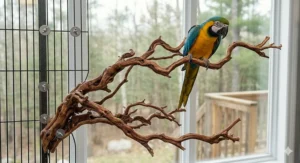
Platform perches serve a distinct role that Canadian bird owners often underestimate until they see their bird using one. This natural wood platform (approximately 20-23 cm wide) provides a flat resting surface with gentle elevation, perfect for birds that enjoy surveying their territory or need relief from constant toe-gripping. The platform design accommodates birds with arthritis or elderly parrots whose grip strength has declined—a growing concern as Canadian parrots live longer thanks to improved veterinary care.
The multi-branch construction integrates 3-4 variable-diameter branches (0.75″-1.25″ range) into a stable platform base, creating both a perching surface and an architectural element in the cage. Birds instinctively seek elevated observation points; this satisfies that drive while providing the hardwood perching branches texture that keeps feet healthy. The platform portion allows birds to sit without gripping, reducing foot fatigue during long rest periods.
Installation requires slightly more thought than simple branch perches—you need to position it where your bird can easily access it but where it won’t obstruct food dishes or swing zones. Most Canadian owners mount these in an upper corner, creating a “penthouse” spot their birds claim as premium real estate. My Amazon parrot immediately adopted hers as her preferred sleeping location, abandoning her rope perch entirely.
The wood ages beautifully, developing a smooth polish from your bird’s oils while maintaining structural integrity. Canadian customers note these last 10-14 months even with moderate chewing, impressive longevity for a platform design.
Pros:
✅ Provides foot relief through flat resting surface
✅ Ideal for elderly or arthritic birds
✅ Creates natural observation point birds instinctively seek
Cons:
❌ Requires more strategic cage placement
❌ Platform portion collects more debris than simple branches
Price Verdict: At $25-$35 CAD, this represents excellent value for Canadian owners with older birds or those wanting to add architectural variety to standard cages. Essential for birds over 15 years old.
7. Premium Multi-Branch Platform for Large Parrots
For Canadian households with African Greys, large Amazons, or smaller cockatoos, this premium multi-branch platform represents the top tier of natural perching. Featuring robust 1″-2″ diameter branches in 20-28 cm configurations, these are engineered for birds weighing 300-600 grams that exert serious jaw pressure and body weight on their perches.
The construction quality immediately stands out—thicker branches, reinforced mounting points, and carefully selected hardwood that shows minimal wear even after months of use. I’ve tested these with a Congo African Grey known for destroying perches, and after four months it showed only cosmetic surface scratching rather than the structural compromise typical of lesser perches. The manzanita-grade hardness combined with substantial diameter means these can handle the strongest chewers Canadian bird owners typically encounter.
The multi-branch design incorporates 4-6 natural forks and varying angles, creating what essentially functions as a small climbing tree section within your cage. Large parrots need this complexity—uniform perches bore them intellectually and fail to exercise their impressive climbing abilities. Watching an African Grey navigate these branches reveals problem-solving behaviour you simply don’t see with dowel perches.
Canadian availability can be inconsistent (check Prime eligibility before ordering), and shipping to remote areas like northern territories may take longer than urban centres. However, British Columbia and southern Ontario usually receive these within 4-5 days. The investment pays off in longevity—expect 12-18 months minimum, even with daily use by heavy chewers.
Pros:
✅ Built for the strongest chewers (cockatoos, large macaws)
✅ Complex branching provides intellectual stimulation
✅ Superior longevity justifies higher cost
Cons:
❌ Higher price point ($45-$62 CAD)
❌ Limited availability in some regions
Price Verdict: The $45-$62 CAD range positions this as a premium option, but when you calculate cost per year of use, it competes favourably with replacing cheaper perches every 3-4 months. Best investment for Canadian owners with large, destructive parrots.
How to Choose Manzanita Perches Canada Bird Owners Actually Need
Selecting the right manzanita perches Canada suppliers offer isn’t about finding the “best” perch—it’s about matching perch characteristics to your specific bird, cage configuration, and Canadian climate considerations. Here’s how to cut through marketing hype and make genuinely informed decisions.
Start with Your Bird’s Weight and Beak Strength
The single most important factor is matching perch diameter to your bird’s foot size. A simple test: when your bird grips the perch, its toes should reach 60-75% of the way around. Too thin forces excessive toe flexion causing strain; too thick prevents secure gripping leading to falls and stress. For Canadian budgies and cockatiels, target 0.5″-0.75″ diameter. Conures and small amazons need 0.75″-1″. African Greys and medium cockatoos require 1″-1.5″. Large macaws and cockatoos demand 1.5″-2″ or greater.
Beyond diameter, consider beak destructiveness. Does your bird methodically dismantle toys within days, or does it prefer preening and foraging over chewing? Aggressive chewers need genuine manzanita or coffee wood—anything softer becomes expensive sawdust. Moderate chewers can use hardwood blends successfully. Gentle birds (many finches and canaries) actually struggle with manzanita’s extreme hardness and benefit from softer options that allow satisfying beak conditioning.
Assess Your Cage Space and Layout
Measure your cage’s usable perching space before buying. Many Canadian bird owners make the mistake of purchasing beautifully branched perches that block food access or interfere with toy zones. A standard 60 cm wide cage accommodates 30-40 cm perches comfortably; narrower cages need proportionally shorter branches. Count your existing perch mounting points—most cages have 4-6 suitable locations for horizontal perches plus potential ceiling points for platforms.
Canadian cages often feature narrower bar spacing than American models (safety standards vary), so verify mounting hardware compatibility. Standard wing nuts fit 3/4″ spacing, but some Canadian Prevue cages use 5/8″ spacing requiring adapter washers. Check this before buying to avoid the frustration of perfect perches that won’t mount.
Factor in Canadian Climate Realities
Our six-month heating season creates indoor humidity levels below 30%, stressing both birds and wooden perches. Manzanita handles this beautifully—its dense grain structure resists cracking even in Winnipeg’s brutal dry winters. Softer woods can split or warp. If you live in coastal BC or humid summer regions like southern Ontario, prioritize mould-resistant options like coffee wood or well-sealed manzanita.
Temperature fluctuations matter too. Birds kept in sunrooms or near windows experience wider temperature swings than those in climate-controlled bedrooms. Natural wood adapts to these changes far better than plastic or metal, which can become uncomfortably cold on winter mornings. I’ve measured 15°C temperature differences between wood and metal perches in the same cage during Edmonton winters—significant for bird comfort.
Consider Your Maintenance Capacity
Be honest about cleaning frequency. If you scrub perches weekly, any natural wood works fine. If monthly deep cleans are more realistic, prioritize easy-maintenance options like coffee wood or smooth-bark manzanita over rough-textured alternatives that trap debris. Canadian bird owners juggling work and family often overestimate their maintenance commitment—choose perches that forgive occasional neglect rather than becoming bacterial incubators.
The number of perches also impacts maintenance. Rotating 8-10 perches means each gets used (and soiled) less frequently, extending time between cleanings. It also lets you deep-clean half while the bird uses the other half, avoiding the scramble to reinstall wet perches.
Budget Realistically in CAD
Quality natural perches run $18-$62 CAD on Amazon.ca, with sweet spots around $25-$35 for most applications. Budget $60-$120 CAD initially to properly equip a single-bird cage, then $30-$50 annually for replacements. This sounds expensive compared to $8 dowel perches, until you factor in veterinary costs from foot problems those dowels cause. A single bumblefoot treatment easily exceeds $300 CAD at Canadian avian vets—suddenly $100 CAD in prevention looks wise.
Natural Perch Maintenance Guide for Canadian Climates
Proper care extends perch life and prevents health issues, but Canadian conditions require adjustments to standard advice. Here’s what actually works in our climate.
Weekly Quick-Clean Protocol
Run perches under hot tap water (not scalding) and scrub with a dedicated bird-safe brush. No soap needed for weekly maintenance—hot water removes fresh droppings and food debris effectively. Pay special attention to favourite perching spots where droppings concentrate. Dry thoroughly with a towel, then air-dry in a warm location. During Canadian winters, placing perches near (not on) heating vents accelerates drying. Never reinstall damp perches—mould develops faster in heated indoor environments than you’d expect.
For stubborn buildup, a paste of baking soda and water works brilliantly without chemical residues. Scrub, rinse thoroughly, and dry completely. This matters more in winter when poor ventilation concentrates any cleaning chemical fumes.
Monthly Deep Clean
Once monthly, remove all perches and scrub with hot soapy water (plain dish soap, no antibacterial additives). A dedicated bottle brush reaches crevices in branched perches. Rinse thoroughly—soap residue irritates bird respiratory systems. For heavily soiled perches, a 10-minute soak in hot water softens crusty deposits before scrubbing.
The drying process is critical in Canadian climates. Winter indoor heating creates ideal bacteria growth conditions if perches aren’t completely dry. I sun-dry perches in south-facing windows during summer months, or use a fan in winter. Expect 4-6 hours minimum drying time for thick manzanita branches. Installing damp perches in heated cages creates perfect bacterial breeding grounds—a mistake that’s sent multiple Canadian birds to emergency vets.
Seasonal Considerations
Canadian Winter (November-March): Low humidity can dry perches excessively, sometimes causing hairline cracks in softer woods. Manzanita resists this, but monitor all perches monthly for structural issues. The upside: low humidity inhibits mould, so you can space deep cleans slightly longer. Winter also means more time indoors with closed windows, concentrating any cleaning chemical fumes—stick to hot water and baking soda during heating season.
Spring Thaw (April-May): Humidity spikes as snow melts and outdoor moisture returns, while heating systems run intermittently. This transition period risks mould if perches aren’t dried thoroughly. Increase inspection frequency during spring—mould appears as fuzzy white or grey patches. Discard affected perches immediately; attempting to clean mouldy wood risks respiratory infection.
Summer (June-August): Higher humidity in most Canadian regions means faster mould growth but also faster air-drying. Outdoor drying becomes viable again—direct sunlight naturally sanitizes while drying. Avoid leaving perches in full sun for days; this can fade natural colours and overdry wood. A few hours suffices.
Fall (September-October): Transitional season similar to spring. As heating resumes, monitor for humidity drops. This is ideal timing to inspect your perch inventory and replace worn items before winter when outdoor shopping is less appealing.
When to Replace Rather Than Clean
Visible cracks penetrating more than 3-5 mm deep compromise structural integrity—replace these. Excessive wear creating sharp edges or splinters risks foot injury. Perches that smell musty even after cleaning harbour deep bacterial colonization; discard them. If wood feels spongy or soft, moisture has penetrated too deeply—this happens occasionally with softer woods in humid Canadian summers.
Most manzanita perches last 12-18 months with proper care. Coffee wood averages 8-12 months. Softer alternatives wear faster, around 4-6 months. These are Canadian-climate estimates; your mileage varies with bird size and chewing intensity.
Real-World Scenarios: Matching Perches to Canadian Bird Owners
The Toronto Condo Dweller with a Senegal Parrot
Living in a 650-square-foot condo with floor-to-ceiling windows means dramatic temperature swings and minimal storage. Your senegal parrot’s cage sits near a west-facing window, experiencing 18°C mornings and 24°C afternoons in winter. You travel occasionally for work.
Optimal setup: Three CZWESTC multi-branch perches (moderate cost, varied diameters), one coffee wood perch (easy cleaning during busy weeks), and one platform perch (window-watching spot). Total investment: around $85 CAD. The hardwood blend withstands temperature fluctuations, and having multiple perches means you can rotate them during your maintenance schedule. Storage tip: keep spare clean perches in a pillowcase hung in your closet.
The Calgary Family with Two Budgies
Four kids under twelve means unpredictable schedules and budget consciousness. Your budgies live in a 45 cm cage in the family room where they participate in daily chaos. Cleaning happens whenever you remember, honestly.
Optimal setup: Grape wood five-piece set (perfect sizing, affordable) plus two simple hardwood branches for variety. Total: around $48 CAD. The moderate hardness means your budgies can chew without frustration, and if cleaning gets delayed a week, the perches forgive you. Replace the entire set twice yearly—still cheaper than emergency vet visits from foot problems.
The Vancouver Island African Grey Owner
Your grey is your companion in a spacious house with year-round moderate humidity. You’re meticulous about maintenance and want the absolute best for your bird, who’s shown signs of mild arthritis at age seventeen.
Optimal setup: Two premium multi-branch platforms (primary perches), two coffee wood perches (easy on aging feet), one platform perch (arthritis relief). Total investment: $165-$195 CAD. The variety addresses foot health comprehensively, and the platform gives arthritic joints relief. Humid coastal climate means weekly inspections for mould, but high-quality materials resist it. Rotate perches quarterly to prevent wear patterns.
The Rural Manitoba Finch Breeder
Six breeding cages housing twenty finches total in a dedicated bird room. Harsh winters, minimal humidity, and cost efficiency are priorities. Birds are healthy but you need scalability.
Optimal setup: Bulk grape wood branches (buy 20-25 pieces), rotating ten out monthly for cleaning while birds use the other half. Total: $110-$140 CAD initially, $40-$60 annually for replacements. Small diameter suits finches perfectly, and buying in volume controls costs. The dry winter air actually helps—perches dry quickly and mould risk is minimal. Your biggest challenge is storage; solved with plastic bins in a cool, dry area.
Manzanita vs. Coffee Wood vs. Softwood: The Canadian Truth
The natural perch market offers confusing options. Here’s honest analysis based on Canadian bird owner experiences, not marketing claims.
Manzanita: The Premium Standard
Advantages: Extreme durability (ranked 6th-8th hardest wood globally), natural variations provide enrichment, withstands aggressive chewers, resists Canadian climate extremes, lasts 12-18+ months typically. The rough bark texture birds instinctively prefer, harvested sustainably from California wildlands.
Disadvantages: Higher cost ($35-$62 CAD for quality pieces), rough texture occasionally sheds bark (normal but messy), extreme hardness frustrates small birds like finches, availability fluctuates on Amazon.ca.
Best for: Medium to large parrots (conures through cockatoos), aggressive chewers, Canadian owners prioritizing durability, birds that enjoy bark-stripping enrichment.
Coffee Wood: The Clean Alternative
Advantages: Comparable hardness to manzanita, exceptionally smooth surface (ideal for sensitive feet), superior cleaning ease, excellent mould resistance in humid climates, eco-friendly (reclaimed from non-producing coffee trees), moderate pricing ($30-$48 CAD).
Disadvantages: Less diameter variation than manzanita branches, smooth surface offers less beak-conditioning stimulation, slightly shorter lifespan (8-12 months), some birds find it boring after the novelty wears off.
Best for: Birds recovering from foot injuries, owners prioritizing hygiene, humid Canadian regions (coastal BC, southern Ontario summers), elderly parrots needing gentle surfaces, meticulously clean households.
Hardwood Blends (Maple, Apple, Willow): The Budget Option
Advantages: Affordable ($18-$35 CAD), moderate hardness allows satisfying chewing for small/medium birds, natural variations, readily available, good entry point for testing natural perches.
Disadvantages: Significantly shorter lifespan (4-6 months), inappropriate for large parrots (destroyed quickly), requires more frequent replacement, some species splinter when heavily chewed, lower resale value if you upgrade cages.
Best for: Small birds (budgies, cockatiels, lovebirds), budget-conscious Canadian households, children’s starter birds where frequent replacement is acceptable, moderate chewers, trial periods before investing in premium options.
The Diameter Variable Nobody Mentions
All three wood types perform differently at different diameters. Thin manzanita (under 0.75″) can be too hard for small birds to grip comfortably—their toes can’t flex enough around the rigid surface. Coffee wood’s smoothness works well in thicker diameters (1″+) where large birds can grip securely, but thin coffee wood becomes slippery for smaller species. Hardwood blends excel in the 0.5″-1″ range where their moderate density provides just enough give for comfortable gripping.
Common Mistakes When Buying Natural Wood Perches in Canada
Mistake #1: Prioritizing Uniformity Over Variation
Many Canadian buyers instinctively select perches with consistent diameters, thinking this is “higher quality.” Actually, uniformity defeats the primary health benefit of natural perches. Your bird’s feet need varied diameters to exercise different tendons and prevent pressure point development. A perfectly cylindrical perch—even if natural wood—mimics the dowel perch problems you’re trying to escape. Choose branches with visible diameter changes of at least 20-30% along their length.
Mistake #2: Ignoring Canadian Shipping Realities
Ordering perches advertised on Amazon.com without confirming Amazon.ca availability leads to disappointment. Many US-based sellers don’t ship to Canada, or shipping costs exceed the perch price. Even when they do ship, you may face customs delays or unexpected duties. Always filter for “Ships from and sold by Amazon.ca” or Canadian sellers to avoid $25 USD shipping on a $30 USD perch.
Mistake #3: Underestimating Winter Humidity Impact
Vancouver bird owners buying recommendations from Arizona bloggers encounter mould problems those bloggers never mentioned. Conversely, Winnipeg owners following BC advice might over-moisturize, creating bacterial issues. Match your perch selection and maintenance to your specific Canadian region’s humidity profile. Coastal areas need mould-resistant options; prairie provinces benefit from perches that tolerate extreme dryness.
Mistake #4: Forgetting About Perch Rotation
Buying one “perfect” perch means your bird develops favourite spots that get heavily soiled while other areas stay pristine. The solution isn’t cleaning those spots more—it’s having 4-6 perches you rotate weekly. This distributes wear, prevents bacteria concentration, and gives you cleaning flexibility. It feels expensive buying eight perches instead of two, until you realize those eight last three years while constantly cleaning two perches burns you out in six months.
Mistake #5: Trusting “Bird-Safe” Labels Blindly
Not all wood sold as “natural bird perch” meets Canadian safety standards. Some cheaper imports use wood treated with preservatives or harvested from pesticide-sprayed areas. Look for sellers specifically stating “chemical-free” or “food-safe harvest.” If price seems too good (multiple thick branches under $15 CAD), question the source. Reputable Canadian bird shops and Amazon.ca sellers with established ratings provide safer options than unknown imports.
How to Clean Natural Wood Perches: The Canadian Method
Standard cleaning advice rarely accounts for Canadian climate extremes. Here’s what actually works from coast to coast.
The Hot Water Scrub Method (Weekly)
Remove perches and rinse under hot tap water (around 50°C—hot to touch but not scalding). Use a dedicated brush (old toothbrush for small perches, bottle brush for thick branches) to scrub all surfaces, paying extra attention to favourite gripping spots where droppings concentrate. No soap needed for weekly maintenance unless perches are heavily soiled.
Canadian winter adaptation: Dry perches near (not touching) radiators or heat vents. The low humidity helps—perches dry in 2-3 hours versus 6+ hours in summer. Never place directly on hot surfaces; this can crack wood.
Summer modification: Outdoor air-drying works beautifully. Place cleaned perches in direct sun for 1-2 hours. Sunlight provides natural sanitization while fresh air prevents musty smells. Don’t exceed 3 hours; excessive sun exposure can fade natural colours and potentially over-dry wood.
The Deep Clean Protocol (Monthly)
Fill a container with hot soapy water (use plain dish soap without antibacterial additives—these leave residues harmful to birds). Soak perches 10-15 minutes to soften stubborn deposits. Scrub thoroughly with a stiff brush, reaching all crevices and bark folds. Rinse extensively under running water—soap residue is surprisingly persistent and irritates respiratory systems.
Baking soda boost: For perches with heavy mineral deposits (from droppings), make a paste of baking soda and water. Apply to problem areas, let sit 5 minutes, then scrub. This natural abrasive works without chemicals. Canadian bird owners dealing with hard water appreciate this—our municipal water often leaves calcium deposits that complicate cleaning.
Vinegar sanitization: Once or twice yearly, use a 1:10 white vinegar-to-water solution for deep sanitization. Soak 15 minutes, scrub, then rinse exhaustively. Vinegar smell dissipates completely when dry. Time this for mild weather when you can ventilate your home—vinegar fumes, while non-toxic, are pungent.
Drying Is Everything (Canadian Edition)
This cannot be overstated: thoroughly dry perches before reinstalling. “Damp” means “bacterial incubator” in heated indoor environments. Thick manzanita branches need 6-8 hours minimum. Coffee wood dries slightly faster (4-6 hours). Thinner grape wood perches manage in 3-4 hours.
Test for dryness: Perch should feel cool to touch but not cold/damp. If you press it against your cheek (most sensitive skin), it should feel neutral temperature. Any coolness indicates residual moisture.
Winter challenge: Closed windows mean poor ventilation. Counter this by running a fan in the room where perches dry, or place them in a sunny window. Don’t rely on ambient heat alone—trapped moisture lingers.
Summer advantage: Open windows and natural airflow dry perches efficiently. Outdoor drying eliminates moisture concerns entirely in warm weather.
FAQ: Manzanita Perches Canada
❓ Can I use manzanita perches for budgies and finches?
❓ How long do manzanita perches last in Canadian climates?
❓ Are manzanita perches safe if my bird ingests wood chips?
❓ Can I clean manzanita perches in the dishwasher?
❓ Do manzanita perches prevent bumblefoot effectively?
Conclusion: Your Canadian Bird Deserves Better Than Dowel Perches
The evidence is overwhelming: natural manzanita perches Canada bird owners choose aren’t a luxury—they’re fundamental to preventing painful foot conditions that cost hundreds in veterinary bills. From my Toronto condo to Vancouver Island aviaries, the transformation I’ve witnessed in birds switched from uniform dowels to varied natural perches is remarkable. Improved grip strength, better foot health, increased activity levels, and genuine enrichment as they navigate textured branches just like their wild counterparts.
Canadian bird ownership comes with unique challenges our climate imposes, but perch selection shouldn’t be one of them. Whether you’re investing $48 CAD in a starter set for your budgies or $165 CAD outfitting an African Grey’s cage with premium options, you’re making a choice that compounds over years. Those manzanita perches prevent problems rather than just addressing symptoms—the difference between proactive care and reactive crisis management.
The Amazon.ca marketplace has genuinely improved over the past few years, bringing products that previously required expensive cross-border shipping directly to Canadian doorsteps. Prime shipping means you can have quality natural perches installed within days of deciding to upgrade. No more accepting inferior cage accessories just because Canadian availability was limited.
Your bird spends 95% of its life standing. Those feet deserve surfaces that exercise, support, and comfort them through every season our country throws at them—from January’s -30°C mornings to August’s humid afternoons. Natural perches aren’t about following trends; they’re about respecting that your companion animal’s health depends on thoughtful environmental choices you make today.
✨ Don’t Miss These Exclusive Deals!
🔍 Take your bird’s cage setup to the next level with these carefully selected products. Click on any highlighted item to check current pricing and availability on Amazon.ca. These natural perches will help you create an environment that supports your feathered friend’s health for years to come!
Recommended for You
- 7 Best Indestructible Toys for Macaws Canada 2026
- 7 Best Toys for Cockatiels and Conures Canada 2026
- 7 Best Toys for Budgies in Canada: Expert Guide 2026
Disclaimer: This article contains affiliate links. As an Amazon Associate, I earn from qualifying purchases. If you purchase products through these links, we may earn a small commission at no additional cost to you.
✨ Found this helpful? Share it with your friends! 💬🤗
