
In This Article
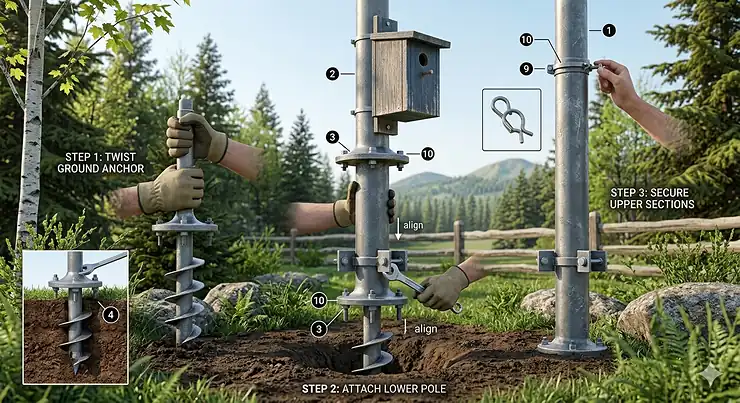
Choosing the right birdhouse pole mounting kit can transform your backyard into a thriving wildlife sanctuary. These specialized systems provide stable, predator-resistant platforms that keep your feathered visitors safe while giving you the perfect viewing angle to enjoy their antics. A proper birdhouse pole mounting kit combines durability, adjustability, and ease of installation—three qualities that matter tremendously in Canada’s diverse climate zones, from coastal British Columbia to the frozen prairies of Saskatchewan.
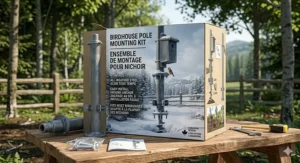
The best pole mounting systems available in Canada feature rust-resistant construction to withstand our harsh winters, adjustable heights to accommodate different bird species, and secure anchoring systems that stay put through spring windstorms and summer downpours. Whether you’re attracting chickadees in Ontario, bluebirds in the Maritimes, or tree swallows across the country, the right mounting solution makes all the difference. With prices ranging from around $35 to $120 CAD, there’s a perfect option for every budget and bird-watching goal.
Quick Comparison Table
| Product Name | Height | Base Type | Material | Price Range (CAD) | Best For |
|---|---|---|---|---|---|
| JCS Wildlife Universal Pole Kit | 150 cm (5 ft) | Auger | Powder-coated steel | $65-$85 | Heavy feeders & large houses |
| Gtongoko Adjustable Smart Feeder Pole | 200 cm (79 in) | 5-prong | Anti-rust metal | $45-$65 | Smart feeders & cameras |
| Ottsuls Heavy Duty Bird House Pole | 277 cm (109 in) | 5-prong | Waterproof steel | $55-$75 | Maximum height needs |
| Garbuildman Adjustable Pole Kit | 267 cm (105 in) | 5-forked | Steel with lacquer | $50-$70 | Variable height options |
| Sungaryard Multi-Platform Kit | 229 cm (90 in) | 5-prong | Rustproof steel | $55-$80 | Multiple feeders |
| VIVOHOME Multi-Hook System | 269 cm (106 in) | 5-prong | Carbon steel | $60-$85 | Versatile mounting |
| Squirrel Stopper Economy Kit | 152 cm (60 in) | Auger | Galvanized steel | $35-$50 | Budget-conscious |
💬 Just one click – help others make better buying decisions too!😊
Top 7 Birdhouse Pole Mounting Kits: Expert Analysis
1. JCS Wildlife Universal Mounting Pole Kit
The JCS Wildlife Universal Mounting Pole Kit stands as a premium choice for Canadian bird enthusiasts who demand professional-grade equipment. This heavy-duty system features a 1.25-inch diameter that tapers to the universal 1-inch top, providing exceptional stability for even the largest birdhouses.
Key Specifications:
- Total height: 150 cm (approximately 5 feet installed)
- Powder-coated steel construction resists Canadian winters
- Heavy-duty auger drives 60 cm into ground
The versatile mounting flange allows both top and side mounting options, giving you flexibility based on your birdhouse design. Canadian customers particularly appreciate the included water plug that prevents moisture from entering when using side-mount configuration—crucial for our freeze-thaw cycles.
Price Range: $65-$85 CAD on Amazon.ca
Canadian Customer Feedback: Buyers from Ontario and Alberta report this pole handles extreme weather beautifully, with one reviewer noting it survived a severe prairie windstorm without budging. The auger installation takes about 10 minutes in softer soil, though rocky Canadian Shield terrain may require pre-drilling.
✅ Pros:
- Exceptional stability in high winds
- Rust-resistant finish lasts multiple seasons
- Made by reputable North American manufacturer
❌ Cons:
- Higher price point than basic models
- Shorter height may not suit all applications
Best for: Those wanting a premium, long-lasting solution for bluebird houses, hopper feeders, or wood duck boxes in challenging Canadian climates.
2. Gtongoko Adjustable Smart Bird Feeder Pole
Perfect for the tech-savvy Canadian birder, the Gtongoko Adjustable Smart Bird Feeder Pole integrates seamlessly with modern smart bird feeders and cameras now popular across Canada.
Key Specifications:
- Adjustable height up to 200 cm (79 inches)
- 5-prong stabilizing base for firm ground grip
- 1-inch diameter threaded pole sections
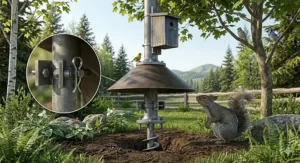
This pole’s tool-free assembly system makes it incredibly user-friendly—simply twist the sections together and step the 5-prong base into the ground. The black anti-rust coating looks sharp while protecting against moisture damage, and the universal mounting platform accommodates both traditional birdhouses and cutting-edge smart feeders with built-in cameras.
Price Range: $45-$65 CAD
Canadian Customer Feedback: British Columbia customers love this pole for mounting Bird Buddy and similar smart feeders, noting the height provides excellent camera angles for identification. Some Quebec users mention adding a wooden bridge board to align mounting holes perfectly.
✅ Pros:
- Quick, tool-free installation
- Perfect height for smart feeder cameras
- Excellent value for features provided
❌ Cons:
- 5-prong base can be tricky in very hard soil
- May require adapter board for some houses
Best for: Modern birders using smart technology, photographers wanting optimal camera angles, or anyone prioritizing easy setup.
3. Ottsuls Heavy Duty Bird House Pole Kit
When you need serious elevation, the Ottsuls Heavy Duty Bird House Pole Kit delivers an impressive 277 cm (109 inches) of adjustable height—ideal for attracting high-nesting species or getting above snow drifts in northern Canadian regions.
Key Specifications:
- Maximum height: 277 cm (109 inches)
- Six 42 cm extension poles for customization
- Waterproof thickened metal construction
The 3-in-1 mounting versatility allows bottom mounting, back mounting, or even fence attachment, making this one of the most adaptable systems available in Canada. Installation takes approximately five minutes once you’ve selected your desired configuration, and the waterproof finish ensures longevity through Maritime humidity or Prairie dryness.
Price Range: $55-$75 CAD
Canadian Customer Feedback: Manitoba birders report this pole keeps feeders well above snow accumulation, while Atlantic Canadian users appreciate the corrosion resistance in salt air. The adjustable sections let you dial in the perfect height for different bird species throughout the season.
✅ Pros:
- Exceptional height range for diverse needs
- Multiple mounting configurations
- Weatherproof construction for all Canadian climates
❌ Cons:
- Maximum height may be overkill for small yards
- Taller configurations need secure ground anchoring
Best for: Regions with heavy snowfall, attracting high-nesting birds like purple martins, or creating multi-level feeding stations.
4. Garbuildman 105-Inch Adjustable Pole Kit
The Garbuildman Adjustable Pole Kit offers impressive versatility with six different height configurations ranging from 76 cm to 267 cm (30 to 105 inches), making it a chameleon-like solution for changing seasonal needs.
Key Specifications:
- Adjustable heights: 76, 114, 152, 191, 229, or 267 cm
- 15-inch extended 5-forked base
- Black lacquer finish for rust protection
Canadian customers love the flexibility to adjust height based on which birds they’re attracting at different times of year. The extended base design provides superior stability—essential when mounting heavier birdhouses or during fierce Canadian windstorms. Maximum load capacity of 30 lbs means you can confidently mount substantial structures.
Price Range: $50-$70 CAD
Canadian Customer Feedback: Saskatchewan users particularly value the ability to start low in spring and extend higher as vegetation grows. The black lacquer finish has proven durable through multiple freeze-thaw cycles across various provinces.
✅ Pros:
- Six distinct height options
- Strong load capacity for heavy houses
- Extended base prevents tipping
❌ Cons:
- More sections mean slightly longer assembly
- Black finish can get hot in direct summer sun
Best for: Experimenters wanting flexibility, those accommodating multiple species, or birders in areas with significant seasonal changes.
5. Sungaryard Multi-Platform Birdhouse Pole Kit
With dual adjustable mounting platforms, the Sungaryard Multi-Platform Kit excels at creating comprehensive bird feeding stations—a one-stop shop for multiple species to dine simultaneously.
Key Specifications:
- 229 cm (90 inches) total height
- Two independent mounting platforms
- Heavy-duty rustproof steel construction
This system transforms your yard into a bird café with room for a birdhouse on one platform and a feeder on another, or dual feeders to reduce competition. The powder-coated finish prevents corrosion exceptionally well in humid Canadian climates, and the sleek black design adds aesthetic appeal to any garden.
Price Range: $55-$80 CAD
Canadian Customer Feedback: Ontario customers report attracting significantly more bird variety with the dual-platform setup. Maritime users note the rust resistance performs admirably in coastal salt air. Some mention using compatible squirrel baffles between platforms for added protection.
✅ Pros:
- Dual platforms maximize bird variety
- Excellent rust resistance
- Attractive modern design
❌ Cons:
- Dual platforms add weight to carry
- More expensive than single-platform models
Best for: Serious birders wanting comprehensive feeding stations, those attracting multiple species simultaneously, or creating photogenic backyard setups.
6. VIVOHOME Multi-Hook Bird Feeder System
The VIVOHOME Multi-Hook System brings restaurant-style bird feeding to your Canadian backyard with four adjustable hooks plus a top platform—accommodating up to five different feeders or houses.
Key Specifications:
- 269 cm (106 inches) maximum height
- Four adjustable hooks positioned 25 cm from center
- Carbon steel with rust-resistant coating
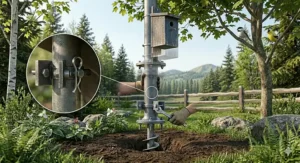
This versatile system lets you create a true bird buffet, offering different seed types, suet, nectar, and more—all from one stable pole. The 10 cm × 6 cm top platform accepts various birdhouse designs, while the threaded joint connections ensure rock-solid stability crucial for Canadian weather extremes.
Price Range: $60-$85 CAD
Canadian Customer Feedback: British Columbia customers love using this for hummingbird feeding stations with multiple nectar feeders. Alberta birders appreciate being able to offer variety without cluttering their yard with multiple poles.
✅ Pros:
- Maximum versatility with multiple hanging points
- Attracts diverse bird species
- Professional feeding station appearance
❌ Cons:
- Can be visually busy for minimalist yards
- Requires more maintenance with multiple feeders
Best for: Dedicated birders wanting complete feeding stations, those attracting maximum species diversity, or anyone who enjoys variety in their bird-watching experience.
7. Squirrel Stopper Economy Universal Kit
For budget-conscious Canadians who still want quality, the Squirrel Stopper Economy Kit delivers reliable performance without the premium price tag.
Key Specifications:
- 152 cm (60 inches) installed height
- Traditional auger-style ground anchor
- Galvanized steel construction
While simpler than premium models, this kit provides the essentials: solid construction, proper height for most common species, and compatibility with standard squirrel baffles (sold separately). The galvanized finish resists rust effectively, though not quite as robustly as powder-coated premium alternatives.
Price Range: $35-$50 CAD
Canadian Customer Feedback: New Brunswick customers report this pole performs well for basic birdhouse mounting, especially for first-time birders testing the hobby. Some users in northern regions note the galvanized finish shows wear after 2-3 harsh winters but remains functional.
✅ Pros:
- Most affordable quality option
- Proven auger design
- Good for beginners
❌ Cons:
- Limited height adjustment
- Simpler finish may not last as long
Best for: Budget-conscious beginners, those testing bird feeding before major investment, or mounting lightweight houses in protected locations.
✨ Don’t Miss These Exclusive Deals!
🔍 Take your backyard birding to the next level with these carefully selected products available in Canada. Click on any highlighted item above to check current pricing and availability on Amazon.ca. These pole mounting systems will help you create authentic bird-watching experiences your whole family will love throughout all four seasons!
Understanding Adjustable Height Bird House Pole Systems
The beauty of modern pole mounting systems lies in their adjustability—a game-changer for Canadian birders dealing with diverse species requirements and changing seasonal conditions. Traditional fixed-height poles forced you to commit to one height forever, but contemporary adjustable systems let you dial in the perfect elevation for each situation.
Most adjustable height bird house pole systems use one of two mechanisms: threaded section connections or telescoping designs. Threaded systems, like those found in the Gtongoko and Garbuildman models, feature individual pole sections that screw together securely. This provides rock-solid stability while allowing you to use as many or as few sections as needed. Simply add or remove segments to achieve your target height—brilliant for experimenting with different configurations.
The science behind proper mounting height isn’t arbitrary. Research from the Canadian Wildlife Federation demonstrates that cavity-nesting birds have evolved specific preferences based on their natural habitat. Chickadees naturally seek cavities 1.5 to 4.5 metres above ground in wooded areas, while bluebirds prefer open field locations at 1.2 to 1.8 metres. An adjustable system lets you match these natural preferences precisely, significantly increasing your success rate in attracting desired species.
Height adjustment also addresses practical Canadian considerations. In provinces with substantial snowfall like Quebec, Manitoba, or Alberta, starting your birdhouse at 150 cm in May might seem perfect—until February’s snow accumulation puts it at ground level. With adjustable systems, you can compensate by adding height before winter or adjusting seasonally. Coastal British Columbia birders face different challenges: strong Pacific winds mean lower mounting may be wiser to prevent excessive swaying that disturbs nesting birds.
Temperature considerations also factor into height decisions. Heat rises, so during scorching Ontario or Prairie summers, mounting houses slightly higher captures cooler air currents, keeping nestlings comfortable. Conversely, in cooler Maritime springs, moderate heights protected from wind chill provide better thermal conditions for early nesters.
The financial wisdom of adjustable systems becomes clear when you consider long-term use. Rather than buying separate poles for different applications, one quality adjustable system serves multiple purposes across years. Mount it low for ground-feeding species observations in spring, raise it for summer bluebird families, then configure it for winter roosting boxes—one pole, endless possibilities.
Galvanized Birdhouse Pole System Benefits
When we talk about galvanized birdhouse pole system options, we’re discussing one of metallurgy’s most practical applications for outdoor equipment. Galvanization—the process of coating steel with protective zinc—creates a formidable barrier against Canada’s toughest environmental enemy: moisture-driven corrosion.
Here’s why galvanization matters enormously in the Canadian context. Our climate throws everything at outdoor equipment: winter freeze-thaw cycles that crack lesser materials, spring humidity that promotes rust, summer UV exposure that degrades coatings, and fall temperature swings that stress metal joints. Galvanized steel stands up to this abuse remarkably well because zinc corrodes sacrificially—meaning it oxidizes before the underlying steel does, essentially protecting the structural metal by giving itself up first.
The galvanization process creates a metallurgical bond far superior to simple paint or powder coating. While painted poles rely on barrier protection (keeping moisture away from steel), galvanized poles offer barrier protection PLUS sacrificial protection. Even if the surface gets scratched—inevitable with tool contact during installation or maintenance—the exposed steel remains protected by surrounding zinc.
However, not all galvanized finishes perform identically. Hot-dip galvanization, where steel is immersed in molten zinc, creates the thickest, most durable coating. This method produces the classic silvery-gray finish seen on traditional utility poles and farm equipment. Electro-galvanization, while cheaper, applies thinner coatings better suited for indoor applications. For Canadian outdoor use, insist on hot-dip galvanized poles.
Modern manufacturers often enhance galvanized poles with powder-coat topcoats, combining galvanization’s corrosion resistance with powder coating’s aesthetic appeal and additional protection layer. These hybrid systems, like those in premium JCS Wildlife products, offer the best of both worlds: zinc’s sacrificial protection plus powder coating’s barrier protection and attractive finish. The powder coat also prevents the white oxidation (“white rust”) that can develop on galvanized surfaces in very humid conditions—particularly relevant for Maritime and coastal British Columbia birders.
Longevity comparisons are striking. A basic painted steel pole in harsh Canadian weather might show rust within 2-3 years. A properly galvanized pole easily lasts 15-20 years, often longer with minimal maintenance. This longevity justifies the typically higher initial cost—though interestingly, increased competition in the bird supply market has made galvanized options quite affordable in 2026.
One consideration: galvanized poles can be slippery for climbing predators, which many birders view as an unexpected bonus. The smooth zinc surface offers less purchase for raccoons or cats compared to textured painted finishes, providing additional nestling protection when combined with proper baffles.
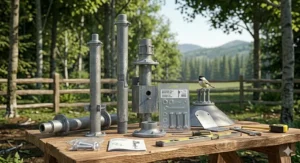
How High to Mount Birdhouse Pole: Species-Specific Requirements
Determining how high to mount birdhouse pole installations ranks among the most frequently asked questions from Canadian birders, and rightfully so—improper height dramatically reduces occupancy rates. Different species have evolved distinct preferences based on their natural nesting behaviours, predator avoidance strategies, and territorial requirements.
Let’s start with one of Canada’s most beloved birds: the Eastern Bluebird. Research published by Birds Canada’s Project NestWatch indicates bluebirds strongly prefer mounting heights between 1.2 to 1.8 metres (4 to 6 feet) in open areas like fields or golf courses. This relatively low height reflects their natural cavity preferences in fence posts and low tree stubs. Mount bluebird houses higher, and success rates plummet—they simply don’t feel comfortable nesting that elevated in open terrain.
Black-capped Chickadees, our year-round companions across much of Canada, exhibit more flexibility. These adaptable birds accept cavity heights from 1.5 to 4.5 metres (5 to 15 feet), though 2.4 to 3 metres (8 to 10 feet) seems optimal based on monitoring data. Their woodland habitat means they’re comfortable at moderate heights where natural cavities typically occur in dead branches or woodpecker holes.
Tree Swallows, common across Canada’s wetlands and open areas, prefer heights similar to bluebirds: 1.2 to 1.8 metres works well. However, swallows absolutely require open flight paths for aerial insect hunting. Mount their houses in fields or near ponds, positioned where they can swoop freely without dodging obstacles.
House Wrens, those energetic insect-hunters, nest happily anywhere from 1.2 to 3 metres (4 to 10 feet). These fearless little birds readily accept houses mounted on fences, buildings, or poles, making them wonderfully accommodating for birders with limited options. Their flexibility stems from natural nesting habits—wrens investigate any suitable cavity regardless of precise height.
Purple Martins demand the highest mounting of common backyard species: 3.7 to 6 metres (12 to 20 feet). In the wild, martins nested in tall dead trees (“snags”) before enthusiastically adopting human-provided apartment-style housing. Their aerial lifestyle means they prefer commanding heights with clear airspace for insect-catching flights. Eastern Canadian martin colonies often use traditional wooden martin houses mounted on tall poles in open fields.
Wood Ducks and other cavity-nesting waterfowl need substantial elevation near wetlands: 2.4 to 6 metres (8 to 20 feet) over or adjacent to water. These heights protect ducklings from terrestrial predators before their dramatic nest exodus—when day-old chicks leap from the cavity to water below, cushioned by downy feathers and remarkable resilience.
Screech Owls and Kestrels, wonderful natural pest controllers, require heights matching large natural cavities: 3 to 9 metres (10 to 30 feet). These predatory birds seek commanding views of hunting territories, and boxes mounted too low simply don’t appeal to their strategic nature.
According to Canadian Woodworking’s birdhouse dimension guidelines, entrance hole position also matters critically. The hole should typically sit about 15-20 cm (6-8 inches) above the floor inside the box, preventing cats or raccoons from reaching in to snatch eggs or nestlings. This internal dimension affects the minimum external mounting height needed for safety.
Quick Height Reference by Common Canadian Species
Low Mounting (1.2-1.8m / 4-6 ft):
- Eastern Bluebird
- Tree Swallow
- Mountain Bluebird (Western Canada)
Medium Mounting (1.8-3m / 6-10 ft):
- Black-capped Chickadee
- House Wren
- Carolina Wren (Southern Ontario)
- Tufted Titmouse (Southeastern Canada)
High Mounting (3-6m / 10-20 ft):
- Purple Martin
- Northern Flicker
- Wood Duck
- American Kestrel
Remember that these heights represent the entrance hole position, not ground-to-pole-top measurement. Factor in your birdhouse height when calculating pole requirements.
Pole Installation Best Practices for Canadian Conditions
Mastering pole installation best practices separates successful long-term birdhouse installations from those that list, lean, or fail after one season. Canadian conditions—especially our notorious freeze-thaw cycles and varied soil types—demand attention to details that might seem minor in milder climates.
Ground Preparation and Soil Assessment
Before driving the first stake, assess your soil type. Canadian soil varies dramatically: coastal BC’s clay-rich earth differs vastly from Prairie loam, Ontario’s rocky Canadian Shield terrain, or Maritime sandy soils. Each demands adapted installation approaches.
For auger-style poles in soft to medium soils, mark your installation depth before starting—typically 30 to 60 cm (12 to 24 inches) depending on pole height and expected wind exposure. Use the auger’s rotational leverage rather than downward force, letting the spiral threads pull the assembly deeper. In rocky terrain like Muskoka or the Laurentians, pre-drilling with a pilot hole significantly eases installation and prevents auger damage.
Five-prong base systems work brilliantly in firmer soils but struggle in pure sand or very soft mud. If installing in loose Maritime sand, consider these stabilization tricks: dig slightly wider holes for each prong, pack decomposed granite or small gravel around prongs, then fill with native soil. This creates firmer anchoring than sand alone provides. For boggy areas near wetlands, add a plywood footer beneath the base to distribute weight and prevent sinking.
Combating Freeze-Thaw Heaving
Here’s where Canadian installations really differ from southern methods. Frost heaving—when freezing ground expands and pushes objects upward—wreaks havoc on shallow installations. Each winter, improperly installed poles rise incrementally, eventually becoming unstable.
The solution: install to below your region’s frost line. This depth varies across Canada:
- Southern Ontario/BC Coast: 90-120 cm (3-4 feet)
- Prairies/Northern Ontario: 120-150 cm (4-5 feet)
- Northern Territories: 150-180+ cm (5-6+ feet)
For adjustable pole systems, drive the base pole section well below frost depth, ensuring the stationary foundation remains stable even if upper sections require seasonal adjustments.
Orientation and Directional Considerations
Entrance hole direction significantly impacts nesting success. According to research from Environment and Climate Change Canada, orienting entrance holes east or southeast optimizes several factors simultaneously.
Eastern exposure captures gentle morning sun, warming the box after cool nights and signaling feeding time to nestlings. This orientation avoids harsh afternoon sun that can overheat boxes—particularly critical during heat waves increasingly common in southern Canada. East/southeast facing also minimizes exposure to prevailing westerly winds that drive most Canadian weather systems, keeping rain from entering boxes during storms.
In the Prairies where relentless west winds dominate, consider slightly more southern orientation (south-southeast) to maximize protection while still catching morning light. Coastal areas with different wind patterns may benefit from northeast orientation depending on local weather predominance.
Vertical Alignment and Stability Testing
Nothing says “amateur installation” like a listing pole. Use a carpenter’s level during installation, checking vertical alignment from two perpendicular directions. Adjust before the base fully sets. If your pole came with a threaded auger, those threads create extraordinary holding power once fully engaged—but only if installed truly vertical.
After installation, perform a stability test. Grasp the pole shoulder-height and apply moderate sideways pressure. Proper installations should resist movement almost completely. Detectable wobbling indicates inadequate depth or loose soil that needs addressing before mounting expensive birdhouses.
Seasonal Installation Timing
Timing your installation strategically improves outcomes. Late fall or early spring installations in thawed ground allow poles to “settle” through winter freeze-thaw cycles before birds arrive to nest. This settling firms ground around bases naturally. Summer installations work fine but provide less settling time before the following spring’s nesting season.
For regions with permafrost or severely frozen winter ground, schedule installations during the autumn thaw window or wait until spring ground softening. Attempting to install in frozen ground often damages equipment or creates improper depths.
Maintenance Access Planning
When selecting installation locations, plan for annual maintenance access. You’ll need to clean birdhouses each fall after nesting season ends, so position poles where you can safely reach boxes. Avoid placing poles too close to shrubs or structures that might restrict access. Factor in how snowpack might affect winter access if you install roosting boxes used year-round.
Comparison: Installation Methods for Different Canadian Regions
| Region | Best Base Type | Installation Depth | Primary Challenge | Key Tip |
|---|---|---|---|---|
| Canadian Shield | Auger with pilot hole | 60-90 cm | Rocky soil | Pre-drill pilot holes |
| Prairies | 5-prong or auger | 90-120 cm | Wind exposure | Deeper = more stable |
| Maritimes | 5-prong base | 75-100 cm | Salt air corrosion | Use galvanized/coated |
| BC Coast | Auger preferred | 90-120 cm | Clay soils, rainfall | Water-resistant finish |
| Northern Canada | Heavy-duty auger | 120-150+ cm | Frost heave, permafrost | Maximum depth critical |
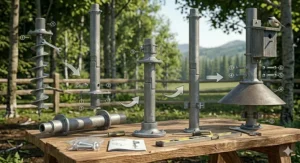
Mounting Hardware Specifications and Compatibility
Understanding mounting hardware specifications prevents the frustration of discovering your beautiful new birdhouse doesn’t actually fit your carefully installed pole. Modern pole systems use surprisingly varied mounting standards, and compatibility knowledge saves time, money, and aggravation.
Standard Mounting Plate Dimensions
Most contemporary pole kits feature square mounting plates ranging from 10 cm × 10 cm (4″ × 4″) to 15 cm × 15 cm (6″ × 6″). The 10 cm standard has become nearly universal for consumer-grade systems, fitting most manufactured birdhouses designed for pole mounting. If building your own birdhouse, design the floor to match this 10 cm dimension, or plan to use an adapter plate.
However, plate size represents just one compatibility factor. Mounting hole patterns vary significantly. Four-hole patterns arranged in squares of 7.5-8 cm work most commonly, while some European-influenced designs use three-hole triangular arrangements. Before purchasing any birdhouse, verify its mounting pattern matches your pole’s plate or invest in a universal adapter plate—essentially a second plate with multiple hole patterns that bridges mismatches.
Top Mount vs. Side Mount Versatility
Premium poles like the JCS Wildlife Universal Kit offer both mounting configurations through clever flange design. Top mounting places the birdhouse directly atop the pole using a horizontal plate, creating a stable platform ideal for larger houses or feeders. The pole’s hollow top requires a plug (usually included) to prevent water infiltration—crucial in Canadian freeze-thaw conditions where trapped water can burst metal.
Side mounting attaches the house to a vertical flange extending from the pole’s side, leaving the top open for weather finials or additional decorative elements. Side mounting provides easier access for cleaning since the house can swing open without disassembling the entire top. However, side-mounted houses experience more wind exposure and require sturdier attachment hardware to prevent loosening.
Threaded vs. Smooth Pole Standards
Pole diameter standardization—or lack thereof—creates compatibility headaches. Most North American poles measure 1 inch (2.5 cm) or 1.25 inches (3.2 cm) in diameter, with threading patterns varying by manufacturer. The so-called “universal” 1-inch standard works with many commercial birdhouses designed for 1-inch pipe mounting holes.
Threaded connections between pole sections provide rock-solid stability but require matching thread patterns. NPT (National Pipe Thread) standards dominate North American poles, though pitch and thread count vary slightly. When purchasing multi-section poles, stick with single manufacturers to ensure threading compatibility. Mixing brands often results in cross-threading headaches or loose joints that wobble over time.
Load Capacity Considerations
Every pole system has maximum load specifications—though manufacturers don’t always advertise them prominently. Typical adjustable pole kits safely support 15-30 lbs (7-14 kg), adequate for standard birdhouses and most feeders. Large purple martin houses, substantial wood duck boxes, or heavy hopper feeders may exceed these limits.
Check load specs carefully, especially when planning tall configurations. Weight positioned high on tall poles creates significant leverage, potentially bending lightweight poles or pulling inadequately anchored bases from ground. When in doubt, choose more robust systems or limit height when mounting heavy structures.
Weather-Resistant Fastener Requirements
Canadian weather destroys cheap hardware frightfully fast. Mounting screws must be stainless steel, galvanized steel, or coated to resist corrosion. Standard hardware-store screws rust through in 1-2 seasons of Maritime humidity or Prairie temperature extremes, eventually failing catastrophically when you least expect it.
Most quality pole kits include appropriate weather-resistant fasteners. If substituting your own hardware, choose stainless steel screws at minimum 1.5 inches long for 2 cm mounting surfaces. Use washers to distribute load and prevent wood splitting. For critical applications, apply removable thread-locking compound to prevent vibration-induced loosening—common when wind rocks mounted houses continuously.
Adapter Solutions for Mismatched Systems
When your dream birdhouse doesn’t match your pole system, adapters save the day. Universal adapter plates featuring multiple mounting patterns let you connect virtually any house to any plate. Custom wooden adapter boards work beautifully too—just cut 2 cm pine or cedar to match both patterns, drill appropriate holes, and weatherproof with exterior stain.
For houses designed for hanging rather than mounting, convert them using threaded floor flanges available at any hardware store. Attach the flange to the house bottom, screw it onto the pole top, and you’ve transformed a hanging house into a pole-mounted one. This trick works particularly well for gourd birdhouses popular with purple martins and bluebirds.
Height Requirements by Species: A Detailed Guide
Diving deeper into height requirements by species reveals fascinating behavioural ecology driving these preferences. Understanding the “why” behind recommended heights helps you make informed decisions when standard guidelines seem contradictory or when attracting less common species.
Small Cavity Nesters (Chickadees, Nuthatches, Wrens)
These diminutive birds evolved as woodland species, seeking cavities created by woodpeckers or natural decay in trees ranging from 1.5 to 6 metres high. Their small size makes them vulnerable to larger predators, so cavity selection balances accessibility against safety.
Black-capped Chickadees, ubiquitous across Canada except in extreme north, readily nest 1.5 to 4.5 metres up. However, data from the Hinterland Who’s Who program suggests 2.4 to 3 metres represents the sweet spot, high enough to deter ground predators while remaining accessible for their short flights between cover and cavity.
House Wrens display remarkable height flexibility (1.2 to 3 metres) because their cavity defence strategy differs from chickadees. Rather than relying on height for safety, wrens aggressively defend nesting territories, dive-bombing intruders regardless of size. This fearless behaviour allows them to nest successfully at almost any reasonable height in appropriate habitat.
Open Country Species (Bluebirds, Tree Swallows)
Species adapted to meadows, fields, and open parkland evolved different nesting height preferences reflecting their habitat structure. Prior to European settlement, these birds nested in scattered trees within grasslands or cavity-bearing fence posts.
Eastern Bluebirds show strong preferences for 1.2 to 1.8 metre mounting heights, with multiple studies confirming higher success rates within this range. This seemingly low height reflects their grassland ecology—tall grass prairie historically featured few tall trees, so natural cavities occurred in shorter snags or fence posts. Modern bluebirds retain these ancestral preferences despite habitat changes.
Mountain Bluebirds in British Columbia, Alberta, and parts of Saskatchewan exhibit similar low-mounting preferences, though they’ll accept slightly higher placements (up to 2.4 metres) when placed on tree trunks rather than poles in open areas.
Tree Swallows, sharing bluebird habitat, prefer identical heights: 1.2 to 1.8 metres. However, swallows demonstrate one critical difference—they demand absolutely clear flight approaches. Mount swallow houses with no obstructions within 30 metres of the entrance for optimal success. Their aerial insect-feeding lifestyle requires unrestricted access.
Colonial Nesters (Purple Martins)
Purple Martins present unique challenges for Canadian birders, being our largest swallow and only colonial backyard bird. Eastern North American martins (the population occurring across eastern Canada) have nearly completely abandoned natural cavities in favour of human-provided housing—an extraordinary evolutionary shift.
These birds demand heights of 3.7 to 6 metres, with 4.5 to 5.5 metres preferred. Research suggests this height preference stems from several factors. First, martins are aerial insect specialists requiring clear airspace for feeding flights—lower heights create collision hazards. Second, colonial nesting means multiple pairs sharing close quarters, and height provides protection from terrestrial predators targeting vulnerable colony sites. Third, martin apartments house dozens of pairs, creating substantial weight requiring sturdy elevated support.
Interestingly, western purple martins (British Columbia populations) still use natural cavities and don’t adapt well to eastern-style martin houses, though they’ll occasionally use individual gourd-style houses mounted 4.5+ metres high.
Waterfowl (Wood Ducks, Hooded Mergansers, Buffleheads)
Cavity-nesting ducks deserve special mention because their requirements differ dramatically from songbirds. These species evolved nesting in large natural cavities created by Pileated Woodpeckers or decay, typically 2.4 to 9 metres above water or adjacent wetlands.
Wood Ducks, increasingly common across southern Canada, prefer boxes mounted 1.8 to 6 metres high over water or wetland edges. However, the Canadian Wildlife Service research indicates 3 to 4.5 metres represents optimal height, balancing duckling nest-exit safety against adult flight accessibility.
The critical consideration: ducklings must leap from nest to ground/water on their exodus day, cushioned only by downy feathers and remarkable resilience. Boxes placed too high risk injury, while too-low boxes invite predation. The 3 to 4.5 metre range balances these competing risks effectively.
Hooded Mergansers and Buffleheads (where present) accept similar height ranges, though both prefer slightly lower placements than Wood Ducks when given choice.
Raptors and Larger Species (Kestrels, Screech Owls)
American Kestrels, Canada’s smallest falcon, control rodent and large insect populations remarkably effectively when provided proper nesting cavities. These birds seek large cavities (20 cm floor minimum) positioned 3 to 9 metres high, preferring 4.5 to 6 metres in most situations.
Kestrel height preferences reflect their hunting strategy. These raptors perch prominently while scanning for prey, then dive rapidly to capture it. Nest cavities positioned at moderate heights provide convenient hunting perches near nesting sites—pure efficiency for busy parents feeding nestlings.
Eastern Screech Owls, common across southern Canada, show similar height preferences: 3 to 9 metres with 4.5 to 6 metres optimal. These small owls hunt primarily by sound, swooping silently onto rodents, birds, and large insects. Like kestrels, moderately high nest cavities provide strategic advantages for parents provisioning young.
Climate Zone Adjustments for Canadian Regions
Height recommendations assume moderate climates, but extreme Canadian conditions warrant adjustments:
Heavy Snow Regions (Interior BC, Prairies, Northern Ontario): Add 60-90 cm to recommended heights to compensate for snow accumulation. A bluebird box mounted at 1.5 metres might sit only 60 cm above snowpack in February, creating predator access concerns.
High Wind Areas (Prairies, Coastal Regions): Consider reducing heights slightly from upper ranges, especially for larger houses. A purple martin house at 6 metres faces tremendous wind stress on the Prairies compared to sheltered eastern forests.
Dense Urban Areas: Urban environments typically warrant lower mountings as buildings and vegetation provide predator deterrents that open country lacks. A chickadee box at 1.8 metres succeeds in Toronto but might fail at identical height in rural Saskatchewan without added predator guards.
Frequently Asked Questions About Birdhouse Pole Mounting Kits
❓ What is the ideal height to mount a bluebird house in Canada?
❓ How do I prevent pole-mounted birdhouses from swaying in strong wind?
❓ Can I use the same pole for winter roosting boxes and summer nesting boxes?
❓ What's the best pole mounting system for smart bird feeders with cameras?
❓ How much weight can typical birdhouse poles support safely?
Conclusion: Making Your Canadian Backyard Bird-Friendly
Creating an inviting sanctuary for Canada’s remarkable bird species requires more than good intentions—it demands proper equipment thoughtfully installed. The birdhouse pole mounting kit you choose becomes the literal foundation for years of bird-watching enjoyment, connecting you intimately with the natural rhythms happening right in your backyard.
Throughout this guide, we’ve explored seven excellent pole systems available across Canada in 2026, each offering distinct advantages. The JCS Wildlife Universal Kit delivers premium performance for demanding applications, while the Gtongoko Smart Feeder Pole bridges traditional birding with modern technology. The Ottsuls Heavy Duty and Garbuildman Adjustable systems provide exceptional height versatility, perfect for Canadian birders experimenting with different species and seasonal adjustments.
For those wanting comprehensive feeding stations, the Sungaryard Multi-Platform and VIVOHOME Multi-Hook systems transform backyards into bird cafés where multiple species dine simultaneously. And budget-conscious beginners can confidently start their birding journey with the Squirrel Stopper Economy Kit, knowing they’re investing in quality despite the modest price.
Remember that successful pole mounting combines proper equipment with thoughtful installation. Account for your region’s specific challenges—freeze-thaw cycles in Ontario, relentless Prairie winds, Maritime humidity, or BC’s varied terrain. Install to appropriate depths, orient entrances correctly, and match heights to your target species’ preferences. These details separate thriving bird populations from empty houses.
Most importantly, recognize that backyard birding connects you to conservation efforts protecting Canada’s incredible avian diversity. Organizations like the Canadian Wildlife Federation and Birds Canada depend on citizen science data from backyard monitors to track population trends, nesting success, and climate change impacts. Every properly mounted birdhouse contributes to this vital work while bringing daily joy through close wildlife encounters.
The investment you make today—whether $40 or $120, whether galvanized steel or powder-coated aluminum—represents more than purchasing hardware. You’re investing in countless mornings watching chickadees investigate new digs, afternoons observing bluebird parents frantically feeding nestlings, and evenings enjoying tree swallows performing aerial acrobatics before roosting. You’re creating habitat that genuinely matters for species facing increasing pressure from habitat loss and climate change.
So choose your pole thoughtfully, install it properly, maintain it consistently, and prepare for the remarkable privilege of hosting Canada’s wild birds literally in your backyard. The pole is just metal and fasteners, but what it supports becomes something far greater: a connection to the natural world that enriches lives immeasurably.
Recommended for You
- 7 Best Predator Guard for Bluebird House Canada 2026
- 7 Best Raccoon Guard Birdhouse Pole Options Canada 2026
- 7 Best Ways How to Clean Nest Box Between Seasons in Canada (2026)
Disclaimer: This article contains affiliate links to Amazon.ca. If you purchase products through these links, we may earn a small commission at no additional cost to you.
✨ Found this helpful? Share it with your friends! 💬🤗
