
In This Article
It’s the second week of November. Your feeder is empty by noon, the chickadees are filing complaints, and that 2 kg bag from the hardware store just cost you the price of a decent sandwich. Sound familiar? A bulk wild bird seed value pack fixes the arithmetic, but only if you buy the right one and store it properly. Buy the wrong blend in the wrong size, and you’ve simply purchased a very large bag of regret.
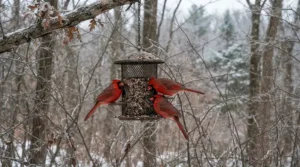
Here’s the thing most buyers miss. The cheapest bag per kilogram isn’t the cheapest bag per bird fed. A mix stuffed with milo and cracked corn can end up scattered on your lawn, picked over by pigeons and abandoned by the songbirds you actually wanted. Meanwhile, a bulk wild bird seed value pack built on black oil sunflower gets eaten right down to the last husk. Same price tag, wildly different outcomes.
This guide walks through seven real products, the maths behind large bag wild bird seed, the quiet economics of economy backyard bird seed, and the stuff nobody puts on the label: how to keep seed from going off in a Canadian winter. For general feeding basics, Birds Canada’s guide to feeding birds is a solid companion read.
What Is a Bulk Wild Bird Seed Value Pack?
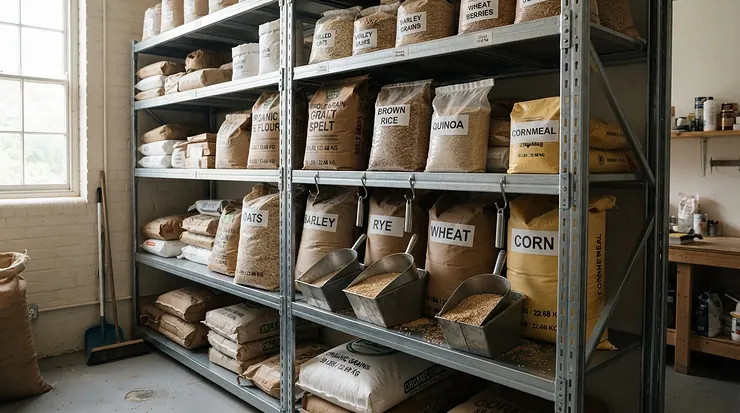
A bulk wild bird seed value pack is a large-format bag of wild bird food, typically 9 kg (20 lb) or more, sold at a lower cost per kilogram than small retail bags. It usually contains sunflower-based blends or single seeds, and it suits households that refill feeders weekly through the colder months.
Quick Comparison Table: Seven Bulk Options at a Glance
| Product | Bag Size | Main Seed Profile | Est. Price Range (CAD) | Best For |
|---|---|---|---|---|
| Wagner’s Greatest Variety Blend | 16 lb (7.3 kg) | 11-ingredient sunflower-heavy mix | C$30-C$45 | Widest species variety |
| Pennington Select Black Oil Sunflower | 20 lb (9.1 kg) | 100% black oil sunflower | C$30-C$50 | Single-seed simplicity |
| Royal Wing Black Oil Sunflower | 40 lb (18.1 kg) | 100% black oil sunflower | C$65-C$95 | Heavy feeders, biggest savings |
| Kaytee Wild Bird Food Seed Blend | 20 lb (9.1 kg) | Black oil sunflower and millet | C$25-C$45 | Tight budgets |
| Lyric Supreme Wild Bird Mix | 20 lb (9.1 kg) | Sunflower seeds and nuts | C$45-C$65 | Mixed-species feeding |
| Armstrong Royal Jubilee Pure Blend | 20 lb (9.1 kg) | No-mess, no-sprout blend | C$35-C$55 | Tidy decks and patios |
| Lyric Delite No-Waste Mix | 20 lb (9.1 kg) | Shell-free nuts and seeds | C$70-C$95 | Zero-mess premium feeding |
Price ranges are estimates at the time of research and will shift, so check current price on amazon.ca before you commit.
Looking at the table, the Kaytee Wild Bird Food Seed Blend wins on raw entry cost, while the Royal Wing Black Oil Sunflower wins on cost per kilogram once you accept a 40 lb commitment. The Lyric Delite No-Waste Mix looks pricey until you factor in that you’re not paying for shells. Which leads to the real question: are you buying seed, or are you buying shell?
💬 Just one click helps other bird lovers make smarter buying decisions too! 😊
Top 7 Bulk Wild Bird Seed Value Pack Picks: Expert Analysis
A quick note on method. I haven’t handled these bags myself, so what follows is analysis built from published specs, retailer listings and the consistent themes in aggregated customer reviews. Where review data is thin, I say so.
1. Wagner’s Greatest Variety Blend — widest range of feeder visitors
This 16 lb (7.3 kg) blend is built around eleven ingredients, with black oil, striped and hulled sunflower making up over 40% of the mix. That sunflower backbone is the point. Sunflower is the seed most feeder birds reach for first, so you get a diverse crowd without hauling home five different bags.
On paper, the mix suits tube, hopper and platform feeders. In practice, that means cardinals, jays, chickadees, nuthatches and doves all find something to like, though the odd seed will end up flicked to the ground. Reviewers consistently describe birds arriving quickly and emptying feeders fast, which is either a compliment or a warning, depending on your budget. A recurring theme is that it costs more than generic mixes but performs noticeably better.
For a first bulk wild bird seed value pack, it’s a low-risk starting point. It is a U.S.-made product, so Canadian availability and pricing on amazon.ca can swing around.
Pros:
- ✅ Sunflower-heavy blend attracts many species
- ✅ Works in tube, hopper and tray feeders
- ✅ Reviewers report fast bird uptake
Cons:
- ❌ Higher cost per kilogram than economy mixes
- ❌ Some seed gets tossed to the ground
Price range: roughly C$30-C$45 for the 16 lb bag. Fair value if variety is your goal.
2. Pennington Select Black Oil Sunflower — the single seed that does it all
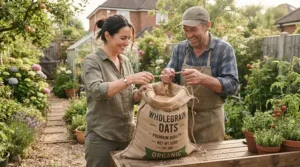
Skip the blend and buy one seed. That’s the logic behind this 20 lb (9.1 kg) bag of pure black oil sunflower. The thin shell is easy for small beaks to crack, and the high oil content delivers serious winter calories, which matters when overnight lows drop below -20°C.
What the spec sheet won’t tell you is how simple this makes your life. One seed means one storage routine, one feeder type, and zero sorting of rejected ingredients. Black oil sunflower is also one of the best choices for beginners wanting the broadest range of feeder birds. Retail listings for this product show ratings around 4.6 out of 5 across tens of thousands of reviews, with buyers repeatedly praising how popular it is with birds.
The trade-off? Squirrels love it too, and a pure sunflower diet skips the millet that ground-feeding juncos prefer. Pair it with a baffle and you’re fine.
Pros:
- ✅ Thin shells suit chickadees and finches
- ✅ High-fat energy for cold snaps
- ✅ One seed, one simple storage routine
Cons:
- ❌ Squirrels and jays can drain feeders quickly
- ❌ Lacks millet for ground-feeding birds
Price range: around C$30-C$50. Strong value, particularly in a 20 lb size.
3. Royal Wing Black Oil Sunflower — biggest bag, lowest cost per kilo
This is the heavyweight: a 40 lb (18.1 kg) bag of black oil sunflower aimed at feeder-heavy households. Editors at one home-improvement publication named it “best bang for the buck” among birdseed picks, and the maths backs that up. Doubling bag size typically trims your cost per kilogram noticeably.
But 18 kg is a lot of seed. If you feed fewer than six or seven birds a day on average, you may take months to finish it. High-oil seed spoils faster than grain mixes, so slow consumption isn’t free. This is where bulk discount tiers meet reality: the savings only exist if you use the seed before it turns.
It suits big yards, multiple feeders, or neighbours splitting a bag. Plan on sturdy outdoor storage bins or an indoor, dry spot (more on that later).
Pros:
- ✅ Lowest estimated cost per kilogram here
- ✅ Same popular seed as smaller sunflower bags
- ✅ Great for several feeders at once
Cons:
- ❌ Heavy to lift and store
- ❌ Higher spoilage risk if used slowly
Price range: around C$65-C$95. Excellent value for high-volume feeders only.
4. Kaytee Wild Bird Food Seed Blend — the budget workhorse
Described as an economical mix of black oil sunflower and millet, this 20 lb (9.1 kg) bag is the archetype of economy backyard bird seed. Millet brings in sparrows and juncos; the sunflower handles chickadees and finches. It’s not fancy, and it doesn’t pretend to be.
Here’s what to weigh. Cheaper blends often include filler grains that songbirds ignore, so expect some leftover seed below the feeder. That’s wasted money if you’re not also feeding ground birds. Reviewers generally frame it as good value for everyday feeding rather than a showstopper, which feels about right.
If you feed from a platform tray or scatter seed on the ground, this is a smart pick. If you use a tube feeder with small ports, the mix may clog or sit unfinished.
Pros:
- ✅ Lowest entry price in this lineup
- ✅ Sunflower plus millet covers more beaks
- ✅ Easy to find in 20 lb size
Cons:
- ❌ Filler grains may go uneaten
- ❌ Less appealing to cardinals and nuthatches
Price range: roughly C$25-C$45. Good value for ground and tray feeding.
5. Lyric Supreme Wild Bird Mix — sunflower and nuts for picky eaters
Lyric Supreme layers sunflower seeds with nuts in a 20 lb (9.1 kg) bag, nudging it above standard economy mixes. Nuts draw woodpeckers, nuthatches and jays, species that often skip plain seed blends. The extra fat content helps through harsh winters.
What most buyers overlook is that nut-containing mixes cost more per kilogram but may feed fewer birds per dollar if squirrels discover them. Reviewers in retail listings place ratings in the mid-4s out of 5, with comments centring on bird activity and variety.
In practical terms, it’s the choice when you want something a notch above basic and don’t mind paying for it. Pair it with a squirrel-resistant feeder, or the nuts will vanish by lunch.
Pros:
- ✅ Nuts attract woodpeckers and nuthatches
- ✅ Good fat content for winter
- ✅ Highly rated in retail listings
Cons:
- ❌ Pricier per kilogram than sunflower-only bags
- ❌ Attracts squirrels aggressively
Price range: around C$45-C$65. Reasonable value if you want variety.
6. Armstrong Royal Jubilee Pure Blend — tidy feeding for decks and patios
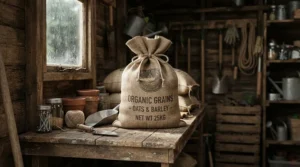
Armstrong markets this 20 lb (9.1 kg) blend as a no-mess, no-sprouting formula. That claim matters more than it sounds. If you feed over a deck, patio or interlock, sprouting seeds and shell piles quickly become a housekeeping chore and sometimes a neighbour dispute.
A no-sprout blend is built so that dropped seed doesn’t turn into a lawn project. It trades some of the cheap bulk fillers for cleaner ingredients, which usually means fewer rejected grains. Armstrong is a familiar name on Canadian shelves, and listings show ratings around 4.6 out of 5 on a modest review count, a decent but not overwhelming sample.
I’d call this the quality-of-life pick. You pay a little more in exchange for less sweeping.
Pros:
- ✅ No-sprout formula reduces mess
- ✅ Familiar brand in Canadian stores
- ✅ Suits decks, patios and tidy yards
Cons:
- ❌ Costs more than basic economy blends
- ❌ Fewer reviews than the biggest sellers
Price range: roughly C$35-C$55. Fair value for tidy-minded feeders.
7. Lyric Delite No-Waste Mix — shell-free premium for zero cleanup
The Delite mix swaps shells for shelled nuts and seeds, so nearly everything in the bag is edible. At 20 lb (9.1 kg) it’s among the most expensive options here, yet it’s honest value if you think in cost per bird-meal rather than cost per kilogram.
Why? Shells account for a big share of the weight in standard sunflower. Paying for them is paying for compost. With a shell-free blend, you get zero husks under the feeder, which also means less to clean up and fewer rodents drawn to the litter. Retail ratings sit around 4.7 out of 5 on a small but positive review base.
It’s the splurge pick for sheltered balconies and anyone feeding right outside a window. It’s overkill for a rural backyard with a dozen feeders.
Pros:
- ✅ Almost no shells or debris
- ✅ Higher edible content per bag
- ✅ Cleaner for patios and balconies
Cons:
- ❌ Highest price per kilogram here
- ❌ Shell-free seed can spoil faster once opened
Price range: around C$70-C$95. Worth it for tidy, low-volume feeding.
Large Bag Wild Bird Seed: How Big Is Too Big?
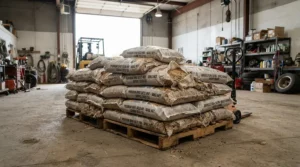
Large bag wild bird seed is seductive. A 40 lb sack feels like a victory lap through the pet aisle. But size is a decision about consumption, not just price.
Here’s a rough rule: divide your bag weight by your weekly feeder use. A single hopper feeder holding 1 to 1.5 kg and refilled twice a week burns roughly 2 to 3 kg weekly. A 9 kg bag lasts about three to four weeks. An 18 kg bag lasts six to nine weeks, and by then you’re pushing the shelf life of high-oil seed.
Winter changes the maths. Colder weather and migrating flocks mean feeders drain faster, so large bag wild bird seed makes more sense from November through March than in July. In humid summers, buy smaller bags and replenish more often.
Beyond consumption, think about carrying. An 18 kg bag is a genuine lift, especially on icy steps. If that’s a concern, two 9 kg bags cost a bit more but save your back. Large bag wild bird seed is a bargain only if you can store it dry and move it safely.
Economy Backyard Bird Seed: Where the Savings Hide (and Where They Don’t)
Economy backyard bird seed isn’t inherently bad. It’s a category with wildly uneven quality. The best economy bags rely on black oil sunflower and white millet. The worst lean on milo, red millet and wheat, which many songbirds kick out of the feeder like unwanted mail.
How do you tell? Read the ingredient panel, not the front label. If sunflower isn’t listed first or second, the bag is mostly filler. One widely cited rule among bird-feeding writers: if you see lots of milo, think twice, because it often goes uneaten at Canadian feeders.
The real cost of economy backyard bird seed is the waste rate. If 30% of a cheap mix ends up uneaten, your “bargain” is effectively 40% more expensive per useful kilogram. The Kaytee Wild Bird Food Seed Blend is a reasonable economy pick because its sunflower and millet combination is easy to read. Still, the Pennington Select Black Oil Sunflower may beat it on effective cost if your feeder is a tube or hopper.
Feeding ground birds? Economy mixes shine there. Feeding chickadees and cardinals? Pay for sunflower.
Bulk Discount Tiers: Reading the Maths Before You Buy
Bulk discount tiers sound complicated, but they boil down to a simple trade: pay more upfront, pay less per kilogram. The catch is that savings flatten as bags get bigger, while spoilage risk climbs.
| Bag Tier | Typical Size | Est. Cost per kg (CAD) | Spoilage Risk | Best For |
|---|---|---|---|---|
| Small retail | 1.8-4 kg | C$4-C$7 | Very low | Trying new blends |
| Mid value pack | 9 kg (20 lb) | C$3-C$5 | Low to moderate | Typical backyard feeders |
| Large bulk | 18 kg (40 lb) | C$2.50-C$5 | Moderate to high | Multi-feeder households |
Cost-per-kilogram figures are illustrative estimates built from the price ranges above, not exact quotes.
The table shows why the 9 kg tier is the sweet spot for most households. You capture most of the per-kilogram savings, without the storage burden. The Royal Wing Black Oil Sunflower gets you the lowest cost per kilo, but only if you finish it. For occasional feeders, the Pennington Select Black Oil Sunflower at 20 lb delivers the better balance.
Notice, too, that bulk discount tiers rarely reward you for buying a bigger bag than you can use. Two neighbours splitting a 40 lb bag is the smartest tier of all.
Wild Bird Seed Subscribe and Save: Convenient, but Is It Cheaper?
Wild bird seed subscribe and save is Amazon.ca’s recurring-delivery option, and for heavy feeders it’s tempting. Pick a product, choose a delivery frequency, and the seed turns up before the feeder runs dry. The programme typically offers a percentage discount that varies by item and by how many subscriptions you bundle, so check each listing for the current terms.
Think about it as a convenience first and a discount second. Wild bird seed subscribe and save is best for steady, predictable use: a winter-only feeder, a family that tops up weekly, or anyone who dreads lugging 18 kg bags from a store. It’s worse for seasonal feeders, because deliveries keep arriving after the birds migrate and you end up with unused stock.
My honest advice: start with a one-off purchase to test a blend, then switch to wild bird seed subscribe and save once you know the birds love it and your consumption rate. Set the delivery interval to match the bag’s lifespan, not your optimism. Skip or cancel deliveries in summer when feeders slow down and humidity threatens seed quality.
Nothing about subscribing changes the product’s price at checkout through any link, so treat it as a planning tool, not a hack.
Practical Guide: Setting Up Your Bulk Seed Station Like a Pro
Buying in bulk means you now run a small warehouse. Here’s the setup that keeps seed fresh, pests out and your sanity intact.
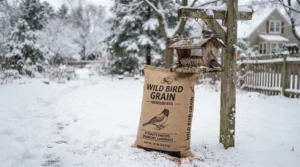
Step one: pick the spot. A cool, dry, indoor location beats an unheated shed. Garages and sheds suffer condensation swings, and moisture is the enemy.
Step two: choose a container. Use outdoor storage bins only if they’re rodent-proof and sealed. Otherwise, a galvanized steel can with a tight lid works well in unheated spaces because mice can’t chew through it. Line it with a heavy-duty bag and replace the liner with each new bag of seed.
Step three: decant a working supply. Keep a small, airtight container near the feeder, filled weekly from the big bin. You open the main bin less often, which limits moisture exposure.
Step four: label and rotate. Mark the purchase date on the bin lid with a marker. Use the oldest seed first.
Step five: clean between bags. Before refilling, wipe the container dry. If you’ve had mould or insects, wash with a diluted bleach solution (about nine parts water to one part bleach) and let it dry completely before reuse.
Common mistake in the first 30 days: topping up old seed with new. That spreads moisture and spoilage through the whole bin.
✨ Build Your Seed Station Today!
🔍 A good setup protects every dollar you spend on a bulk wild bird seed value pack. Click any highlighted product above to check current pricing and availability, then pair it with the right container so your seed stays fresh all winter long!
Outdoor Storage Bins: What Actually Survives a Canadian Winter
Outdoor storage bins are a common choice for bulk bags, and they can work, but they need scrutiny. A cheap plastic tote left in a shed will crack in a deep freeze and invite rodents the moment a corner chews through.
What to look for in outdoor storage bins:
- Material. Galvanized steel resists chewing; heavy-duty plastic with a locking lid works if kept indoors or in a garage with stable temperatures.
- Seal. A gasket or tight clamp lid limits moisture and insects.
- Size. Match the bin to the bag, so you’re not leaving half-empty air space, which promotes condensation.
- Handles and footprint. If you’re lifting 18 kg in January, you’ll thank yourself for a wide, grippable shape.
Condensation inside outdoor storage bins is the sneaky villain. When warm daytime air hits cold metal or plastic at night, moisture forms inside. Over time, that damp seed grows mould before you’ve even filled the feeder.
One workaround is placing the bin off the floor on a pallet or shelf for airflow, and keeping it away from water heaters, washers and damp corners. If your only option is an unheated shed, buy smaller bags so you’re never storing more than a few weeks of supply. Outdoor storage bins are a tool, not a cure-all.
Seed Spoilage: How to Spot It and Stop It
Seed spoilage is the quiet tax on every bulk purchase. Moisture, heat, insects and time all conspire to turn a bargain into a bin of compost.
How to spot seed spoilage:
- Smell. Musty, sour or rancid odours mean trouble.
- Clumping. Seeds stuck together suggest moisture got in.
- Visible mould. White, green or black fuzz means the batch is done.
- Webbing or tiny moths. Pantry pests like Indian meal moths love seed bins.
High-oil seeds, including black oil sunflower and nyjer, go off faster than grain-based mixes, according to the Wild Bird Feeding Institute’s storage guidance. That’s why a Pennington Select Black Oil Sunflower bag needs more attention than a millet-heavy blend, despite being a better feeder performer. Project FeederWatch’s article on keeping seed dry explains why damp seed matters in warm, humid conditions.
If you find mouldy seed, discard it in a bag or container birds and pests can’t reach, then wash and disinfect the container before refilling. Moving a small batch of suspect seed to the freezer for a few days can also help with insect infestations, though mouldy seed should simply be thrown away.
Prevent seed spoilage by buying only what you’ll use in roughly a month during humid weather. In deep winter, a longer supply is safer. Seed spoilage isn’t inevitable; it’s mostly a question of dryness and discipline.
Real-World Scenarios: Which Bulk Wild Bird Seed Value Pack Fits You?
Specs matter less than your actual yard. Here are three profiles.
The apartment balcony birder. Two small feeders, low volume, neighbours below. You need clean and compact. The Lyric Delite No-Waste Mix fits because there are no shells to rain down on the unit beneath you. Buy one 9 kg bag and store it in a sealed indoor bin.
The suburban family with a deck. Three feeders, kids glued to the window, weekly refills. The Armstrong Royal Jubilee Pure Blend keeps the deck tidy, and a 9 kg bag lasts several weeks. Consider wild bird seed subscribe and save for steady winter deliveries.
The rural acreage feeder. Six feeders, a bird-friendly garden and a cold garage. The Royal Wing Black Oil Sunflower in 40 lb is the obvious volume play, stored in a galvanized can. Because you’re burning through seed, spoilage risk stays manageable.
Each scenario points to a different bulk wild bird seed value pack, and that’s the point. The best bag is the one you’ll actually finish.
How to Choose a Bulk Wild Bird Seed Value Pack: 6 Simple Steps
- Start with your birds. List who visits. Chickadees and finches want sunflower; juncos and sparrows want millet.
- Check the ingredient panel. Sunflower should be first or second. If milo leads, move on.
- Match seed to feeder. Tube feeders need small, clean seed; trays handle mixes with larger grains.
- Calculate your weekly use. Divide the bag weight by weekly consumption to see how long it lasts.
- Compare cost per kilogram, then waste. The cheapest per kilo isn’t the cheapest per bird.
- Plan storage before you buy. No dry, sealed spot? Choose a smaller bag.
Follow these six steps and your bulk wild bird seed value pack decision gets surprisingly easy. For quick reference, mix choices usually matter more than brand names.
Bulk vs Traditional Small Bags: Which Wins?
| Factor | Bulk Value Pack (9-18 kg) | Small Retail Bag (1-4 kg) | Best For |
|---|---|---|---|
| Cost per kilogram | Lower | Higher | Regular feeders |
| Freshness risk | Higher if stored poorly | Lower | Occasional feeders |
| Storage needs | Bin and dry space | Minimal | Apartment dwellers |
| Convenience | Fewer shopping trips | Frequent top-ups | Busy households |
The comparison shows bulk winning on price and convenience, small bags on flexibility. A Pennington Select Black Oil Sunflower 20 lb bag is the middle road for most households, while the Armstrong Royal Jubilee Pure Blend suits anyone prioritising tidiness over savings. If you rarely feed in summer, mixing one bulk bag with a smaller trial bag of something new is a smart hybrid.
Common Mistakes When Buying Bulk Wild Bird Seed
Even careful shoppers trip up. Watch for these.
Buying by price alone. A cheap bag full of milo and wheat leads to wasted seed and unhappy birds.
Ignoring your storage reality. An 18 kg bag in a damp shed is a gamble. Without a sealed, dry spot, spoilage eats your savings.
Skipping the trial run. Birds in your yard may prefer something different than the national favourites. Test a small bag before committing to 40 lb.
Overlooking feeder compatibility. Hulled and chip seeds can flow differently than whole sunflower. Make sure your feeder ports match.
Letting subscriptions run on autopilot. Pause deliveries when birds migrate or feeding slows.
Forgetting hygiene. Seed isn’t the only risk factor; dirty feeders pass illness around. Clean feeders regularly with a diluted bleach solution and let them dry.
Fix these, and your bulk wild bird seed value pack will pay you back all season.
Feeding Safely in Canada: Bird Flu, Hygiene and Common Sense
Canada’s bird-flu situation changes, so check updates before each winter. Environment and Climate Change Canada’s guidance notes that avian influenza in wild birds is circulating widely, and its related guidance indicates that feeders are unlikely to spread the virus and that the risk among typical feeder species is considered low. That said, authorities advise against feeding waterfowl and gulls, and recommend removing feeders from areas accessible to poultry and domestic animals. If you spot sick or dead birds near your feeders, take the feeders down and report the birds to your provincial wildlife authority.
Practically, safe feeding means:
- Clean feeders and baths regularly with a weak bleach solution.
- Rake up shell debris and dropped seed beneath feeders.
- Keep seed dry, because damp seed breeds mould and bacteria.
- Rotate feeding spots to avoid droppings buildup.
Also consider cats and window collisions. Birds Canada recommends keeping feeders within about 1 m of windows, where a startled bird can’t build up enough speed to hurt itself. Good seed matters, but good habits matter more.
FAQ: Bulk Wild Bird Seed Questions Canadians Ask
❓ How long does bulk bird seed last once opened?
❓ Is black oil sunflower better than mixed seed?
❓ Can I freeze bird seed to keep it fresh?
❓ Is a 40 lb bag of bird seed worth it?
❓ What's the best container for storing bird seed in winter?
Conclusion: Buy Smart, Store Smarter
A bulk wild bird seed value pack is one of the simplest ways to feed more birds for less money, and one of the easiest ways to waste it. The winning formula is boring and reliable: pick a sunflower-based blend, match the bag size to your real consumption, and store it dry and sealed. The Pennington Select Black Oil Sunflower is the dependable all-rounder, the Royal Wing Black Oil Sunflower is the volume play, and the Wagner’s Greatest Variety Blend is the easiest way to meet more species. Tidy-minded feeders should look at the Armstrong Royal Jubilee Pure Blend or Lyric Delite No-Waste Mix, while the Kaytee Wild Bird Food Seed Blend and Lyric Supreme Wild Bird Mix cover budget and variety respectively.
Remember the supporting cast, too. Sensible outdoor storage bins, a clear view of seed spoilage warning signs, and an honest look at bulk discount tiers protect your savings. For deeper reading on safe feeding, the Cornell Lab’s Q&A on summer bird feeding offers useful reminders about keeping stockpiles dry and discarding anything mouldy.
✨ Ready to Fill Those Feeders?
🐦 Pick the bulk wild bird seed value pack that fits your yard, check current price and availability on amazon.ca, and get your storage sorted before the first real cold snap. Your chickadees will notice.
Recommended for You
- Wild Bird Seed: 7 Smart, Affordable Buys In Canada (2026)
- Natural Canary Food: 7 Best Picks For Canada In 2026
- Canary Food For Molting: 7 Best Picks For Canada (2026)
Disclaimer: This article contains affiliate links. As an Amazon Associate, I earn from qualifying purchases. If you purchase products through these links, we may earn a small commission at no additional cost to you.
✨ Found this helpful? Share it with your friends! 💬🤗
