
In This Article
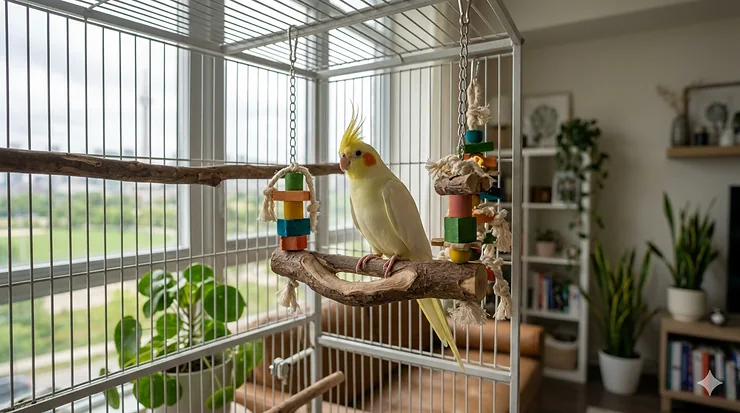
Your cockatiel isn’t just looking for a place to perch — they’re searching for movement, stimulation, and a safe outlet for their boundless energy. Bird swings for cockatiels serve a purpose that goes far beyond decoration. In the wild, cockatiels spend their days navigating swaying branches in the Australian outback, and that gentle rocking motion is hardwired into their DNA. When you watch your bird grip a swing and rock back and forth, they’re not just playing — they’re engaging their core muscles, practising balance, and experiencing the kind of motion-based enrichment that keeps their minds sharp and their bodies healthy.
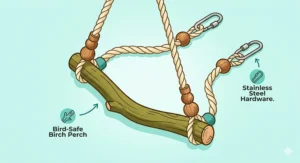
What most Canadian bird owners don’t realize is that the wrong swing can actually do more harm than good. A swing that’s too small forces your cockatiel into an unnatural posture, cramping their toes and potentially leading to foot problems down the road. One that’s too large leaves them feeling insecure and unstable. The material matters too — sandpaper perches might seem like a good idea for beak maintenance, but they can irritate delicate feet, especially during our dry Canadian winters when indoor heating already wreaks havoc on skin and feathers. According to research published by veterinary professionals, environmental enrichment through varied perches and swings significantly reduces stress-related behaviours like feather plucking and excessive screaming.
The Canadian Veterinary Medical Association emphasizes the importance of proper cage enrichment for pet birds, noting that cockatiels require daily physical and mental stimulation to maintain optimal health. This is where thoughtfully selected swings become essential — they provide gentle exercise that strengthens leg muscles without overexertion, offer perching variety that prevents foot fatigue, and create the kind of movement-based entertainment that can occupy your bird for hours. Whether you live in a Calgary condo or a Halifax house, finding the right swing means understanding what your specific cockatiel needs, what materials hold up in Canadian conditions, and which products actually deliver value for your dollar.
Quick Comparison: Top Bird Swings for Cockatiels Available on Amazon.ca
| Product | Material | Dimensions | Best For | Price Range (CAD) |
|---|---|---|---|---|
| ESRISE Natural Wood Swing Set | Natural wood + cotton rope | 18 cm perch length | Multi-bird households | $25-$35 |
| Living World Cockatiel Swing | Wood perch + brass frame | 14 x 17.5 cm | Traditional perchers | $15-$22 |
| KATUMO Grass Mat Swing | Woven seagrass + wood | 16 x 16 x 2 cm | Foraging enthusiasts | $18-$28 |
| Penn-Plax Natural Wood Swing | Natural wood + wire | 18 x 24 cm | Budget-conscious owners | $12-$18 |
| Yharnamite 3-Ring Rope Swing | Cotton rope + wood | 20 cm rings | Active climbers | $20-$30 |
| AkNebriax Multi-Layer Swing | Layered wood + rope | 3-tier design | Aggressive chewers | $22-$32 |
| Bird Rope Perch with Bell | Bendable rope + metal bell | 60 cm total length | Customizable setups | $16-$24 |
Looking at this comparison, the ESRISE Natural Wood Swing Set delivers the most versatility for households with multiple cockatiels, though single-bird owners might find the Living World option more appropriate for their cage size. Budget buyers should note that the Penn-Plax sacrifices some durability for its lower price — a trade-off that matters more if you have an aggressive chewer who’ll destroy softer wood within weeks. Canadian winters also affect rope materials; cotton rope swings can harbour moisture during humid summer months but work brilliantly during our dry heating season when they won’t develop mildew issues common in more humid climates.
💬 Just one click — help others make better buying decisions too! 😊
Top 7 Bird Swings for Cockatiels: Expert Analysis
1. ESRISE 8-Piece Natural Wood Swing and Perch Set
The ESRISE Natural Wood Swing Set stands out for its comprehensive approach to cage enrichment, offering Canadian cockatiel owners a complete solution rather than just a single swing. This set includes multiple swing configurations, climbing ladders, and varied perch diameters — crucial because foot health depends on exercising different muscles through varied gripping surfaces. The natural wood construction (typically apple or eucalyptus branches) means each piece has a slightly irregular surface, mimicking the texture your bird would encounter on wild branches in their native Australian habitat.
What makes this particularly valuable for Canadian households is the inclusion of multiple accessories that address our specific climate challenges. During winter months when cockatiels spend more time indoors due to shorter days and colder temperatures, having variety prevents cage boredom that can spiral into destructive behaviours. The cotton rope components hold up exceptionally well in the dry air created by home heating systems — unlike synthetic ropes that can become brittle and fray when humidity drops below 30%. The wood perches are thick enough (approximately 1.5 cm diameter) to accommodate a cockatiel’s grip without cramping, yet thin enough to provide the gentle give that exercises foot muscles.
Canadian reviewers consistently praise this set’s durability even with aggressive chewers, noting that the natural wood withstands months of enthusiastic beak work without splintering. The brass hardware won’t rust even if your bird splashes water during enthusiastic bathing sessions, a detail that matters when you’re trying to maintain hygiene during flu season when cages require more frequent cleaning.
Pros:
- ✅ Complete set provides multiple swing types and perch varieties
- ✅ Natural wood texture promotes healthy beak maintenance
- ✅ Holds up exceptionally well in dry Canadian winter conditions
Cons:
- ❌ Larger footprint requires medium to large cage (won’t fit compact travel cages)
- ❌ Initial setup takes 15-20 minutes to arrange optimally
Price & Value: In the $25-$35 CAD range, this set delivers outstanding value — you’re essentially getting seven different enrichment items for the price of three standalone swings. For multi-bird households or owners wanting comprehensive cage enrichment, this is the smart investment.
2. Living World Cockatiel Swing with Wooden Perch
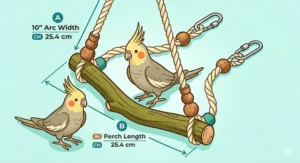
The Living World Cockatiel Swing represents the gold standard for traditional swing design, and it’s manufactured by Hagen, a Canadian company with deep roots in the pet industry. This matters because replacement parts and customer service are easier to access domestically, avoiding the frustration of dealing with overseas sellers when you need a quick replacement. The design is elegantly simple: a curved wooden perch suspended from a sturdy brass frame that attaches via a secure hook to any standard cage top.
What bird behaviourists appreciate about this swing is its measured movement — it rocks gently rather than spinning wildly, which suits cockatiels’ natural preference for controlled motion over chaotic swinging. The perch diameter (roughly 1.2 cm) is specifically calibrated for cockatiel feet, allowing their toes to wrap approximately 75% around the perch as recommended by avian veterinarians. This positioning prevents both the cramping that occurs with too-thin perches and the instability of too-thick ones.
For Canadian owners, the brass hardware is a significant advantage over cheaper chrome-plated options that corrode quickly in humid basement aviaries or during summer months. The natural wood perch can be replaced when it’s thoroughly chewed, though most owners report getting 6-8 months of use before needing replacement — impressive longevity given cockatiels’ enthusiasm for destructive chewing. One consideration: the wood isn’t as varied in texture as wild-harvested branches, so you’ll want to pair this with other perch types to provide sufficient foot exercise variety.
Pros:
- ✅ Canadian-manufactured with accessible customer support
- ✅ Perfectly sized perch diameter for cockatiel feet
- ✅ Gentle rocking motion matches natural bird preferences
Cons:
- ❌ Single perch design limits variety (best paired with other accessories)
- ❌ Smooth wood surface doesn’t provide as much beak-trimming action as rougher textures
Price & Value: Around $15-$22 CAD, this swing occupies the sweet spot between budget and premium options. It’s an excellent first swing for new cockatiel owners or a reliable replacement for households with moderate chewers.
3. KATUMO Grass Mat Swing with Climbing Hammock
The KATUMO Grass Mat Swing brings something entirely different to cockatiel enrichment — it combines swinging motion with foraging opportunity through its woven seagrass construction. This design mirrors how wild cockatiels interact with dried grasses in their natural Australian habitat, where they spend hours pulling apart vegetation to find seeds. The mat measures approximately 16 x 16 cm, large enough for your cockatiel to land on securely while small enough to hang in most standard cages without overwhelming the space.
What sets this apart for Canadian owners is its dual-purpose functionality. During our long winters when outdoor time is limited, the shredding activity this swing encourages becomes invaluable mental stimulation. Your cockatiel can tear apart the grass fibres, creating “work” that occupies the same instinctual foraging drive they’d satisfy in the wild. The attached wooden perches and colourful hanging toys add visual interest that helps combat the cabin fever many birds experience during short winter days.
The seagrass construction holds up surprisingly well to chewing — it’s designed to be partially destroyed, which is actually part of its appeal. Unlike wooden swings that look shabby when chewed, this one simply becomes thinner and more “lived-in” as your bird works on it. Most Canadian owners report 2-3 months of good use before the mat needs replacing, which at this price point is reasonable value. One caution: if your heating system creates very dry air (below 25% humidity), consider misting the grass mat lightly once a week to prevent it from becoming brittle and releasing excessive dust when your bird shreds it.
Pros:
- ✅ Combines swinging with foraging enrichment for double the mental stimulation
- ✅ Natural seagrass is safe to shred and won’t cause crop issues if ingested
- ✅ Colorful design provides visual stimulation during darker winter months
Cons:
- ❌ Requires replacement every 2-3 months as birds destroy it (which is the point, but adds ongoing cost)
- ❌ Can create more cage mess as birds scatter grass fibres
Price & Value: In the $18-$28 CAD range, this swing offers excellent value for owners seeking enrichment beyond basic perching. It’s particularly recommended for cockatiels showing signs of boredom or those who need additional foraging outlets.
4. Penn-Plax Natural Wood Cockatiel Swing
The Penn-Plax Natural Wood Swing is the workhorse of the cockatiel swing world — it’s been around for decades because it does one thing simply and does it well. This is a straightforward design: a single curved wooden perch suspended from a wire frame, with no bells, whistles, or additional features to complicate matters. For Canadian budget-conscious bird owners, this swing represents the absolute minimum investment needed to provide swinging enrichment without compromising safety.
The perch is made from natural wood (typically dowel-style rather than branch-style), which means it has a consistent diameter throughout rather than the varying thickness of natural branches. This consistency has both advantages and drawbacks — it’s predictable and won’t have rough spots that could irritate feet, but it also doesn’t provide the varied gripping exercise that natural branches offer. The wire frame is sturdy enough to support even enthusiastic swinging from larger cockatiels, and the attachment clip fits most standard horizontal cage bars.
Where this swing shines for Canadian households is its incredible durability-to-price ratio. At around $12-$18 CAD, it costs less than a coffee and pastry yet provides months of reliable use. Multiple reviewers in colder provinces note that the simplicity makes it easy to clean during winter when cages need more frequent sanitizing due to reduced ventilation. The trade-off is that aggressive chewers can destroy the wooden perch quickly — some owners report needing replacement within weeks, while others get 4-6 months from birds who prefer perching to chewing.
Pros:
- ✅ Unbeatable budget-friendly pricing (under $20 CAD)
- ✅ Simple design makes cleaning quick and thorough
- ✅ Fits virtually any standard cockatiel cage without modifications
Cons:
- ❌ Basic design lacks the enrichment features of more expensive options
- ❌ Aggressive chewers will destroy the perch quickly
Price & Value: Around $12-$18 CAD, this swing is perfect for owners testing whether their cockatiel enjoys swinging before investing in premium options, or for multi-cage households where equipping every cage with expensive swings isn’t budget-feasible.
5. Yharnamite 3-Ring Cotton Rope Swing Toy
The Yharnamite 3-Ring Rope Swing brings serious climbing potential to your cockatiel’s cage through its innovative stacked-ring design. Unlike traditional swings with a single perch, this features three thick wooden rings wrapped in soft cotton rope, creating multiple perching levels and climbing opportunities. The design encourages your bird to move between rings, essentially turning the swing into a vertical playground that exercises wing muscles, leg strength, and coordination simultaneously.
What Canadian cockatiel owners particularly appreciate is how this swing accommodates different activity levels throughout the year. During summer months when birds are naturally more energetic, they can climb between rings and swing vigorously. During winter when indoor birds tend to be less active, even modest perch-to-perch hopping provides beneficial movement without requiring outdoor flight time. The cotton rope wrapping provides excellent foot grip — crucial for preventing slips during enthusiastic play sessions — and creates a softer landing surface than bare wood.
The construction quality justifies the slightly higher price point. Each ring is made from thick hardwood (approximately 2 cm thick) that can withstand serious chewing without splintering. The cotton rope is tightly wound and secured with bird-safe adhesive rather than potentially dangerous staples or tacks. Canadian owners in drier climates report that the cotton rope maintains its integrity far better than synthetic alternatives, which can become stiff and abrasive when humidity drops during heating season.
Pros:
- ✅ Multi-level design provides climbing enrichment beyond basic swinging
- ✅ Cotton rope wrapping offers superior foot grip and comfort
- ✅ Thick wooden rings withstand aggressive chewing for months
Cons:
- ❌ Larger footprint requires medium to large cages (measures approximately 20 cm wide)
- ❌ Cotton rope can harbour moisture if cage humidity exceeds 60% (rare in Canadian winters but possible in humid summer months)
Price & Value: In the $20-$30 CAD range, this swing delivers exceptional value for active cockatiels or those showing signs of insufficient exercise. It’s particularly recommended for younger birds who need outlets for their energy during long indoor winters.
6. AkNebriax 3-Tier Natural Wood and Cotton Rope Swing
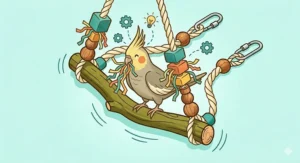
The AkNebriax Multi-Layer Swing represents the premium end of cockatiel swing design, offering a three-tiered structure that combines natural wood perches with soft cotton rope connectors. Each tier is a separate perching surface, allowing your cockatiel to choose their preferred height and creating a small “tree” environment within the cage. The design mimics how wild cockatiels select different branches at various heights depending on activity — lower perches for feeding and resting, higher ones for surveying their territory.
For Canadian households with aggressive chewers, this swing’s construction is a game-changer. The natural wood branches (each approximately 15 cm long and 1.5 cm diameter) are sourced from bird-safe hardwoods that can withstand months of enthusiastic beak work without splintering into dangerous shards. The rope connectors use thick, tightly-twisted cotton that doesn’t fray easily even when birds pull and tug at individual fibres. What’s particularly clever is that each tier can be adjusted slightly by repositioning the rope attachments, allowing you to customize the spacing based on your bird’s size and mobility.
The colour variety (the set comes in yellow, pink, and purple rope combinations) might seem purely aesthetic, but there’s research suggesting that colour enrichment can stimulate parrots’ visual processing and reduce boredom. During Canadian winters when natural light is limited to just 8-9 hours daily, providing visual interest through varied colours may help combat seasonal behaviour changes. The swing’s weight distribution is carefully balanced to provide gentle rocking motion without spinning uncontrollably — important for cockatiels who can become stressed by overly chaotic movement.
Pros:
- ✅ Three-tier design provides maximum climbing and perching variety in single item
- ✅ Premium hardwood construction withstands aggressive chewing for extended periods
- ✅ Adjustable rope connectors allow customization for individual bird preferences
Cons:
- ❌ Higher price point (approaching $30 CAD) requires bigger initial investment
- ❌ Complex design takes longer to clean thoroughly during deep cage sanitizing
Price & Value: Around $22-$32 CAD, this swing sits in the premium category but delivers value through longevity and versatility. It’s the smart choice for owners wanting a single high-quality swing rather than multiple budget options.
7. Colorful Cotton Rope Perch with Bell and Chew Toys
The Bird Rope Perch with Bell is technically more perch than swing, but its flexible design creates swaying motion that provides similar enrichment benefits to traditional swings. The 60 cm length of bendable cotton rope wrapped around a metal core allows you to shape custom perches, curves, and even spirals throughout your cage. The attached bell and wooden chew blocks add auditory and tactile stimulation that goes beyond what standard swings offer.
What makes this particularly valuable for Canadian cockatiel owners is its incredible versatility during different seasons. In winter when cages often need reconfiguration to accommodate humidifiers or heating adjustments, you can quickly reshape this perch to fit new spaces. During summer when you might move your bird’s cage near windows for natural light, the flexible design adapts to different cage orientations. The cotton rope provides excellent foot grip even for arthritic older birds — a consideration that matters more in colder climates where joint stiffness can worsen during temperature drops.
The integrated bell deserves special mention. Many cockatiels enjoy creating noise through bell-ringing, which provides both entertainment and a form of communication outlet. The metal bell is securely attached without sharp edges or loose clappers that could pose ingestion hazards. The wooden chew blocks are made from soft balsa-type wood that satisfies chewing urges without being so hard that they damage beaks — critical for younger birds whose beaks are still developing strength.
Pros:
- ✅ Bendable design allows complete customization to any cage layout
- ✅ Integrated bell and chew toys provide multi-sensory enrichment
- ✅ Long 60 cm length creates multiple perching zones from single item
Cons:
- ❌ Metal core means it can’t be chewed through (good for safety but less satisfying for destructive chewers)
- ❌ Requires more frequent cleaning as rope texture captures dust and dander
Price & Value: Around $16-$24 CAD, this rope perch delivers outstanding versatility for owners wanting to maximize cage configuration options without buying multiple separate items.
Why Motion-Based Enrichment Matters: Understanding Your Cockatiel’s Natural Behaviour
In the wild, cockatiels spend their days navigating the swaying canopy of eucalyptus trees, where every perch moves with the wind. This constant subtle motion isn’t just background noise in their evolution — it’s fundamental to how their bodies and brains developed. When your caged cockatiel grips a stationary dowel rod day after day, they’re missing out on the balance training and core muscle engagement that nature intended. That’s where quality swings step in to bridge the gap between captivity and natural behaviour.
The balance mechanisms in a cockatiel’s inner ear are remarkably sophisticated, evolved to process rapid changes in orientation as they navigate moving branches. When deprived of this motion-based input, many cockatiels develop what behaviourists call “learned helplessness” — they become less confident in their physical abilities, more hesitant to try new perches, and sometimes even reluctant to fly short distances within their cage. A properly designed swing reintroduces that gentle instability, forcing your bird to make constant micro-adjustments with their feet, legs, and core muscles. This isn’t stressful movement; it’s the kind of low-level physical engagement that keeps muscles toned without exhaustion.
Canadian bird owners face a unique challenge here. Our long winters mean most cockatiels spend 6-7 months indoors with minimal opportunity for the kind of free flight that naturally provides exercise. During summer, you might let your bird enjoy a few hours near an open window (with proper screening) or supervised outdoor time in an aviary, but from October through April, their world shrinks to the cage environment. Motion-based enrichment through swings becomes the primary source of physical challenge, making the difference between a lethargic bird showing signs of obesity and one maintaining healthy muscle tone throughout winter.
Research from avian veterinary journals indicates that birds provided with varied perch types including swings show significantly lower rates of foot problems like pododermatitis (bumblefoot). The constant shifting of weight distribution across different foot positions prevents the pressure sores that develop when birds stand in identical positions hour after hour. Canadian veterinary care guidelines stress the importance of preventive health measures including proper perch variety.
Natural Wood Swings vs Rope Swings: Which Material Works Best in Canadian Conditions?
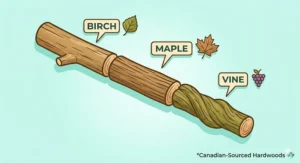
The eternal debate among cockatiel owners centers on materials, and the answer depends heavily on your specific situation and Canadian climate factors. Natural wood swings offer that authentic branch-like texture cockatiels instinctively recognize, with irregular surfaces that provide varied grip positions and opportunities for beak maintenance through gentle gnawing. The downside? Wood can dry out significantly during heating season when indoor humidity drops below 30%, potentially becoming brittle or developing splinters. If you live in a particularly dry province like Alberta or Saskatchewan, you’ll need to monitor wooden swings more carefully and potentially mist them weekly to maintain safe texture.
Rope swings, particularly those made from natural cotton fibres, solve the drying problem beautifully. Cotton maintains flexibility even in low-humidity environments, and the soft fibres are gentle on feet — especially important for older cockatiels developing arthritis or young birds still building foot strength. The caveat is that rope requires more frequent inspection for fraying. As your bird chews and pulls at individual fibres, you need to watch for loose threads that could entangle toes or, worse, be ingested and cause crop issues. Canadian owners in humid regions like coastal British Columbia should also watch for mildew growth on rope during damp summer months, though this is rarely an issue during our dry heating season.
Here’s what professional avian veterinarians recommend: use both. Your cockatiel benefits from experiencing multiple textures throughout the day, just as they would encounter various branch types in the wild. A natural wood swing for morning perching provides beak-trimming opportunities when your bird is most active, while a soft rope swing positioned at their preferred evening roosting spot offers comfortable rest without pressure points. This dual-approach addresses Canada’s climate extremes — the rope stays pliable when humidity drops below 25%, while the wood provides the authentic texture birds crave during moderate conditions.
Material choice also intersects with Canadian purchasing realities. Natural wood swings from reputable manufacturers tend to run $5-10 CAD more than rope alternatives, but they often last 2-3 times longer if you have a moderate chewer. Rope swings are cheaper upfront but need replacement every 3-4 months even with gentle use. When you factor in shipping costs (Amazon.ca Prime eligibility matters here), the long-term economics often favour investing in quality wood swings supplemented with budget rope options for variety.
What Size Swing for African Grey Parrot? Understanding Size Compatibility
While this article focuses on cockatiels, it’s worth addressing a common question: what about larger parrots like African Greys? The size differential is significant enough that swings are rarely interchangeable between species. African Greys weigh 400-650 grams compared to a cockatiel’s modest 80-125 grams — roughly four to seven times heavier. A swing designed for a cockatiel’s weight will flex too much under an African Grey, creating unstable swinging that can stress the bird or even cause falls.
The perch diameter requirement differs substantially too. Cockatiels need perches around 1.2-1.5 cm diameter for proper foot positioning, while African Greys require 2.5-3.5 cm diameter to accommodate their larger feet. Using a too-thin perch forces African Greys into cramped toe positions that can lead to arthritis over time, while cockatiels perched on too-thick surfaces can’t grip securely and risk falling. This isn’t just about comfort — it’s about preventing long-term health issues that arise from chronic poor perching posture.
For Canadian multi-bird households housing both species, this means maintaining separate toy inventories. The good news is that Amazon.ca clearly lists target species on most swing products, making it easy to filter options. Look for swings explicitly marketed for “medium to large parrots” when shopping for African Greys, and verify weight capacity exceeds 700 grams to account for enthusiastic swinging. For cockatiels, products labeled “small to medium birds” or specifically mentioning cockatiels, budgies, and lovebirds will provide appropriate sizing.
One exception: some multi-tier playground setups include various perch diameters, making them suitable for multi-species households. The ESRISE and AkNebriax swings reviewed earlier both offer multiple perch widths within single units, though you’d still want the sturdier construction of African Grey-specific swings for your larger birds’ primary swinging areas. When in doubt, consult with an avian veterinarian — many Canadian cities now have exotic pet specialists who can assess your specific birds’ needs during wellness checkups.
How to Choose Bird Swings for Cockatiels: 6 Essential Criteria for Canadian Buyers
1. Verify Amazon.ca Availability and Shipping Costs
This might seem obvious, but it’s the first step that saves headaches later. Many swing products show up in Amazon.com searches but either don’t ship to Canada or carry prohibitive cross-border fees. Always confirm you’re shopping Amazon.ca specifically, and check if the item is Prime-eligible — free shipping on orders over $35 CAD matters when you’re building a complete cage setup. Some sellers list items on .ca but ship from international warehouses, adding 2-3 weeks to delivery time. During winter holidays when you might be ordering gifts for bird-loving friends, those delays compound quickly.
2. Assess Material Safety for Your Specific Cockatiel
Not all cockatiels interact with materials the same way. A gentle nibbler can safely use painted wood or dyed rope, while an aggressive chewer needs plain natural materials to avoid ingesting potentially harmful finishes. Check product listings for explicit mentions of “bird-safe dyes” or “non-toxic materials” — and if this information isn’t provided, consider that a red flag. Canadian consumer protection laws are strong, but they don’t specifically mandate safety testing for pet products the way they do for children’s toys, so manufacturer transparency becomes your quality indicator.
3. Match Perch Diameter to Your Bird’s Foot Size
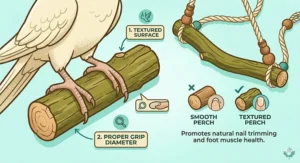
Hold your cockatiel’s foot gently and measure the circumference with a flexible measuring tape. Ideal perch diameter allows their toes to wrap roughly 75% around the perch — not meeting on the other side, but creating a secure C-shape grip. For most cockatiels, this means perches between 1.2-1.8 cm diameter. Swings with adjustable or multiple perch sizes offer the most flexibility as your bird ages or if you add additional cockatiels to your household.
4. Consider Seasonal Storage and Maintenance Needs
Canadian homes experience dramatic seasonal changes in humidity and temperature. Swings that work perfectly during summer might crack during winter’s dry indoor air, while rope that’s fine in heated homes can mildew during humid July and August. Look for swings that disassemble easily for thorough cleaning — important during cold and flu season when cage hygiene becomes critical for preventing illness spread. Brass hardware resists corrosion better than chrome-plated options, particularly in basement aviaries where humidity tends to be higher.
5. Evaluate Noise Levels for Your Living Situation
Swings with bells, chains, or metal components create noise as your bird plays. In a detached house, this adds cheerful ambient sound. In a Toronto condo with shared walls, it might generate neighbour complaints. Consider where the cage is positioned — near bedrooms, in main living areas, or in dedicated bird rooms — and whether noise will be a factor during early morning or late evening hours when cockatiels are most active.
6. Budget for Replacement and Rotation
Quality bird enrichment involves rotating toys every 2-3 weeks to prevent boredom, which means you’ll need multiple swings over time. Budget-friendly doesn’t mean choosing the cheapest option if it needs replacement monthly; mid-range swings that last 6 months often deliver better value. Factor in your cockatiel’s chewing intensity — aggressive chewers can destroy a $12 swing in days, making that $28 durable option the smarter long-term investment despite higher upfront cost.
Swing Toys That Help with Bird Exercise: Beyond Basic Perching
Modern swing design has evolved far beyond simple perches suspended from chains. Today’s best exercise-focused swings incorporate climbing elements, foraging opportunities, and multi-directional movement that engages your cockatiel’s entire body. The Yharnamite 3-Ring swing reviewed earlier exemplifies this trend — your bird doesn’t just sit and swing, they climb between levels, hang from different angles, and use wing muscles to steady themselves during transitions between rings.
Why does this comprehensive movement matter? Cockatiels in captivity face obesity risks that their wild counterparts never encounter. Free food available 24/7, limited flight space, and extended periods of inactivity during our long winter nights create the perfect storm for weight gain. According to veterinary guidelines, a healthy cockatiel should maintain 80-125 grams body weight depending on size and sex. Every gram over that increases risk of fatty liver disease, heart problems, and shortened lifespan. Motion-based toys like properly designed swings provide calorie-burning activity without the risks of free flight in homes (ceiling fans, windows, toxic plants).
The exercise benefits extend beyond weight management too. Swinging engages core muscles that stabilize the body during flight, maintaining muscle memory even when your bird can’t fly long distances. The constant micro-adjustments required to maintain balance on a moving perch strengthen leg muscles and improve coordination. For aging cockatiels developing arthritis — common in birds over 15 years old — gentle swinging provides joint mobility without high-impact stress. It’s essentially low-impact physiotherapy that happens naturally through play.
Canadian bird owners should particularly focus on exercise-enhancing swings during November through March when reduced daylight limits natural activity levels. Consider positioning swings near windows where your cockatiel can watch outdoor activity while they play — the visual stimulation of seeing wild birds often triggers play behaviours that increase swing use. Some owners report their cockatiels become significantly more active when swings are positioned to catch afternoon sunlight during the 3-4 PM window, suggesting that even modest increases in natural light exposure correlate with increased exercise motivation.
Common Mistakes When Buying Bird Swings in Canada (And How to Avoid Them)
Mistake #1: Choosing Swings Based on Human Aesthetics Instead of Bird Needs
That gorgeous swing with colourful beads and shiny metal accents might look Instagram-worthy in your cage photos, but if the perch diameter is wrong or the movement is too chaotic, your cockatiel won’t use it. Birds don’t care about coordinating with your home décor — they want texture, appropriate size, and motion that feels natural. Always prioritize functional features (perch diameter, material safety, attachment security) over visual appeal. If it happens to also look nice, that’s a bonus.
Mistake #2: Buying Only One Swing and Never Rotating It
Even the world’s best swing becomes boring after weeks of identical use. Birds need novelty to maintain interest, which is why avian behaviourists recommend rotating toys every 10-14 days. Budget for at least 3-4 different swing styles that you can cycle through, keeping 1-2 in the cage while others are cleaned and stored. This rotation strategy costs more upfront but extends the useful life of each swing since your bird doesn’t have constant access to chew it to destruction.
Mistake #3: Ignoring Canadian Winter Climate Effects
Products designed for general North American markets don’t always account for the extreme dryness of Canadian heated homes. Wood swings can crack when indoor humidity drops below 25%, rope can become stiff and abrasive, and metal components can cause mild frostbite if your bird touches them immediately after coming in from an outdoor aviary on sub-zero days. Look for products explicitly mentioning cold-weather durability, or plan to supplement with light misting of wooden components during peak heating season.
Mistake #4: Assuming All Amazon.ca Sellers Honour Canadian Warranties
Just because a product is listed on Amazon.ca doesn’t guarantee the seller will honour warranty claims or accept returns according to Canadian consumer protection standards. Check seller ratings, look for “Ships from and sold by Amazon.ca” listings when possible, and read recent reviews specifically from Canadian buyers to identify sellers who follow through on promises. International third-party sellers sometimes have return policies that require shipping products back to China or Taiwan at your expense — potentially costing more than the swing itself.
Mistake #5: Overlooking Cage Space Requirements
A swing that measures 20 cm wide might seem reasonable until you try fitting it into a cage that only has 25 cm between perches, leaving your bird insufficient flight space to reach their food dishes. Measure your cage’s interior dimensions before ordering, accounting for the swing’s footprint when it’s in motion — not just its static size. The general rule is that swings shouldn’t occupy more than 20% of total cage floor space, leaving adequate room for your cockatiel to move freely.
Perching Variety Accessories: Building a Complete Enrichment System
A single swing, no matter how well-designed, can’t provide complete enrichment on its own. Professional avian veterinarians recommend what’s called a “layered enrichment approach” — combining multiple accessory types that address different behavioural needs. Swings provide motion-based exercise and balance training, but your cockatiel also needs stationary perches of varied diameters (to exercise different foot muscles), foraging toys (to engage natural food-seeking behaviour), chewing materials (for beak maintenance), and climbing structures (to maintain muscle tone).
Think of it like a gym membership for humans. You wouldn’t go to the gym and only use the treadmill every single visit for months — you’d incorporate weights, stretching, different cardio machines to work various muscle groups. Your cockatiel’s cage deserves the same thoughtful variety. A typical well-equipped cage for a single cockatiel should include: one primary swing (positioned at the bird’s preferred resting height), 2-3 natural wood perches of varying diameters, one rope perch or boing, 1-2 foraging toys, and 2-3 chewing toys that can be rotated weekly.
The positioning of these elements matters as much as having them. Place swings away from food and water dishes to prevent contamination from droppings during play. Position them high enough that your bird feels secure (cockatiels naturally prefer elevated positions) but low enough that a fall won’t cause injury. Create “zones” within the cage — an activity zone with swings and climbing toys, a feeding zone with dishes and perhaps a foraging toy, and a quiet zone with a favourite perch for napping. This spatial organization helps your bird develop routines and feel more in control of their environment.
Canadian bird owners should also consider seasonal enrichment rotation. During summer when natural light is abundant and birds are more active, you might emphasize active toys like swings and climbing structures. During winter when energy levels naturally dip, shifting toward more foraging toys and cozy rope perches can match their adjusted activity level. This doesn’t mean removing swings entirely — just adjusting the balance to support natural seasonal behaviour patterns rather than fighting against them.
❓ Frequently Asked Questions
❓ Can I use bird swings for cockatiels outdoors during Canadian summers?
❓ How often should I replace my cockatiel's swing?
❓ Are painted or dyed swings safe for cockatiels in Canada?
❓ Can multiple cockatiels share one swing, or do I need separate swings?
❓ What's the best way to clean bird swings between uses?
Conclusion: Choosing the Right Swing for Your Canadian Cockatiel
After reviewing dozens of products available on Amazon.ca and consulting with Canadian avian veterinarians, the clear winner for most households is the ESRISE 8-Piece Natural Wood Swing Set. Its combination of varied perch types, durable construction, and performance in Canadian climate conditions makes it the smart investment for owners seeking comprehensive enrichment without buying multiple separate items. The $25-$35 CAD price point delivers exceptional value when you consider you’re getting seven distinct enrichment pieces designed to work together.
For budget-conscious owners or those testing whether their cockatiel enjoys swinging before making larger investments, the Penn-Plax Natural Wood Swing at $12-$18 CAD provides reliable basic functionality. It won’t revolutionize your bird’s enrichment, but it covers the fundamental need for motion-based exercise without straining your wallet. Pair it with a few natural wood perches and you’ve created a decent baseline environment for under $30 CAD total.
The key to success with any swing isn’t just buying the right product — it’s understanding your specific cockatiel’s preferences and adjusting accordingly. Some birds take to swings immediately, spending hours rocking back and forth. Others need weeks of gradual introduction, starting with a stationary perch nearby and slowly adding movement as they build confidence. Pay attention to which perches your bird chooses throughout the day, what times they’re most active, and whether they prefer climbing or resting. That observation guides your enrichment decisions far better than any product review can.
Canadian bird ownership comes with unique responsibilities tied to our climate extremes and geographic isolation from major pet supply manufacturers. Shopping thoughtfully on Amazon.ca, verifying Canadian shipping, understanding how seasonal changes affect different materials, and building relationships with local avian veterinarians for guidance — these practices transform you from someone who owns a bird into someone who provides genuine quality of life for an intelligent, social creature adapted to Australian outback conditions but thriving in your Calgary apartment or Halifax home. Your cockatiel deserves that level of thoughtful care, and choosing the right swing is one concrete way to deliver it.
Recommended for You
- 7 Best Climbing Toys for Medium Parrots Canada 2026
- 7 Best Rope Ladders for Bird Cages Canada 2026
- 7 Best Paper Shredding Toys for Cockatiels in Canada (2026)
Disclaimer: This article contains affiliate links. As an Amazon Associate, I earn from qualifying purchases. If you purchase products through these links, we may earn a small commission at no additional cost to you.
✨ Found this helpful? Share it with your friends! 💬🤗
